
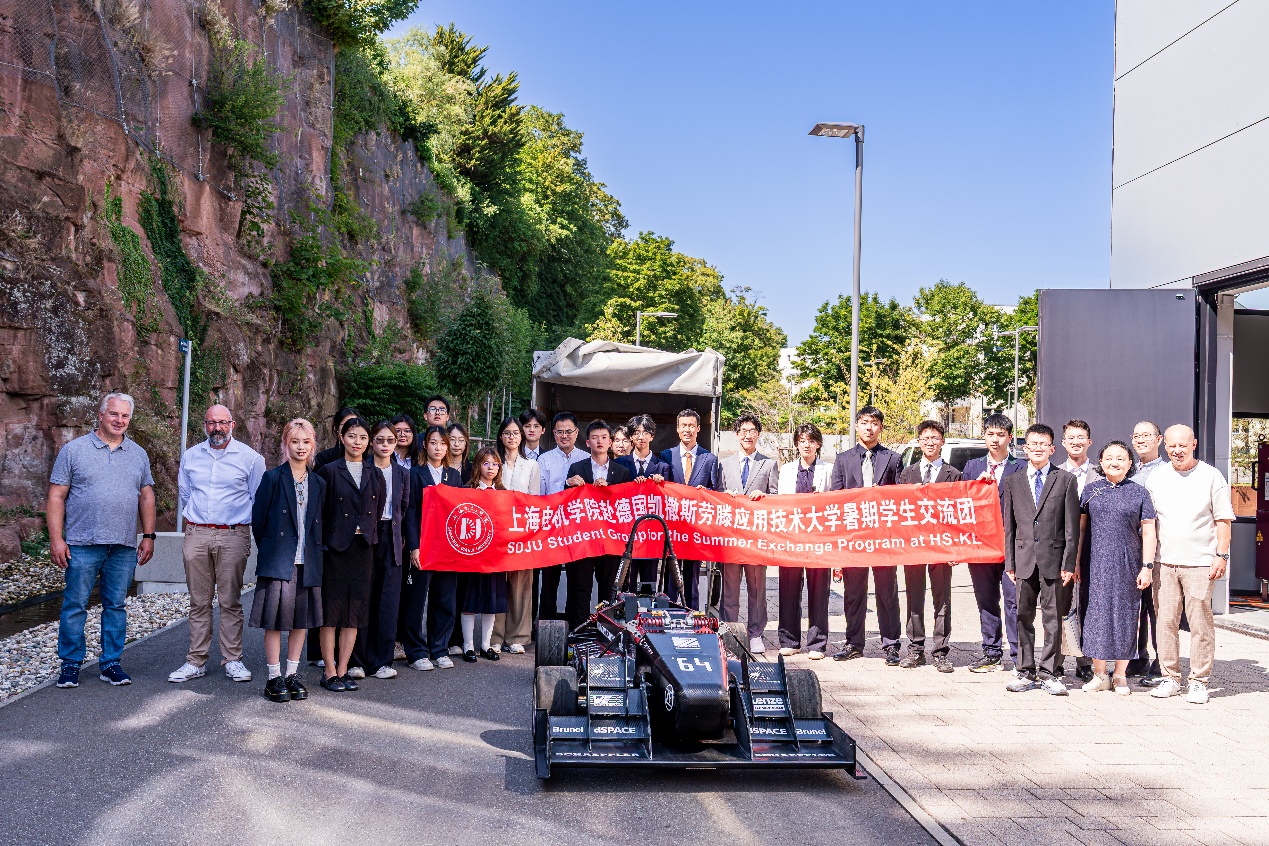
In August 2026, a delegation of SDJU 21 students traveled to Kaiserslautern University of Applied Sciences (KUAS) in Germany for a two-week summer exchange program. Led by Xie Enling, KKIP student counselor, the delegation was accompanied by faculty members Zhang Wei and Niu Longjiang. The delegation received a warm welcome from Professor Michael Magin, KUAS Vice President, along with other university leaders. Far more than a conventional overseas study visit, the program brought learning beyond the classroom and gave students the opportunity to grow and develop within a global context.
1. Character first: strengthening convictions and broadening horizons through cross-cultural experiences
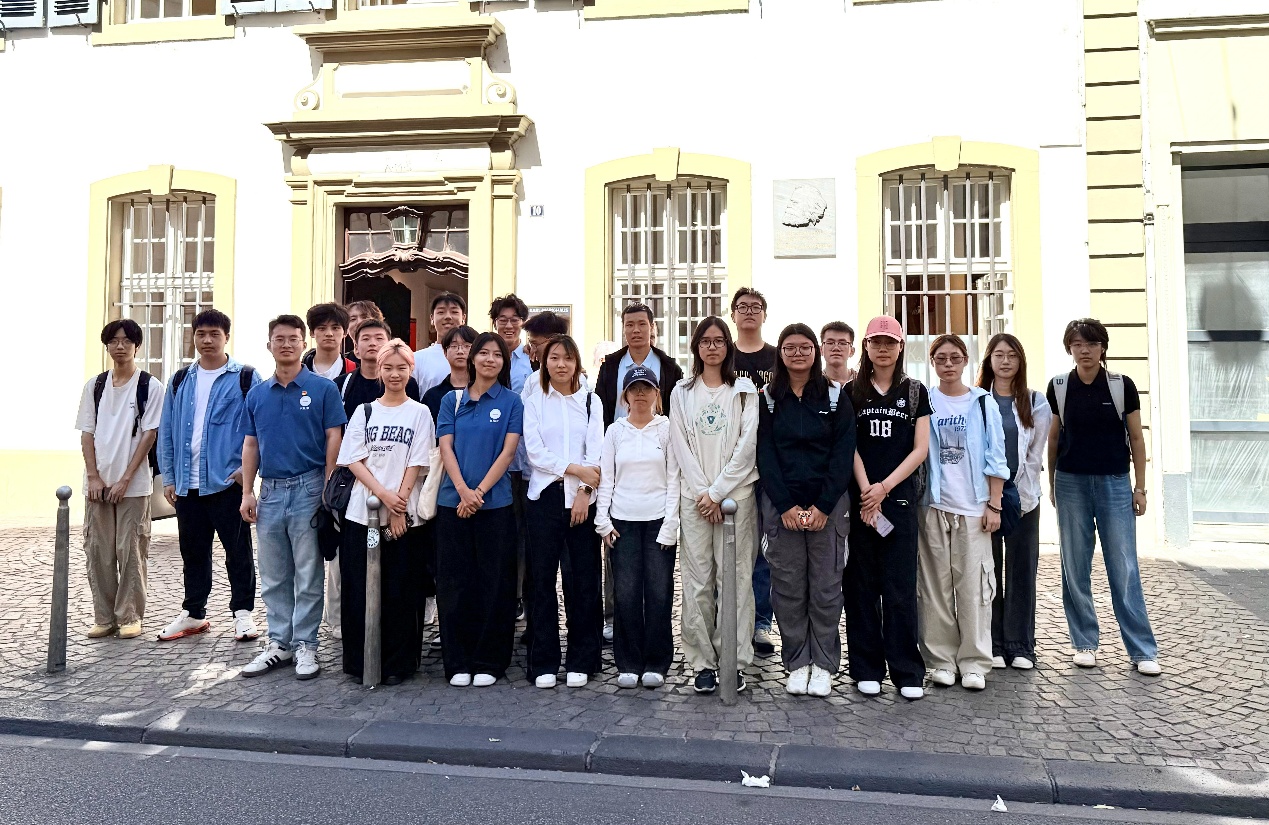
Fostering character and virtue is fundamental in education. Guided by the principle of strengthening CCYL through Party building, the delegation brought ideological and political education into Germany. At the birthplace of Karl Marx in Trier, CCYL SDJU Committee organized an immersive educational session. Students paused to gaze at the manuscript of The Communist Manifesto. In the very place where a great mind grew, from Marx’s youthful ambition to “work for the happiness of humanity” to the mission and responsibility of youth in the new era, history and reality converged, as the power of faith touching everyone.
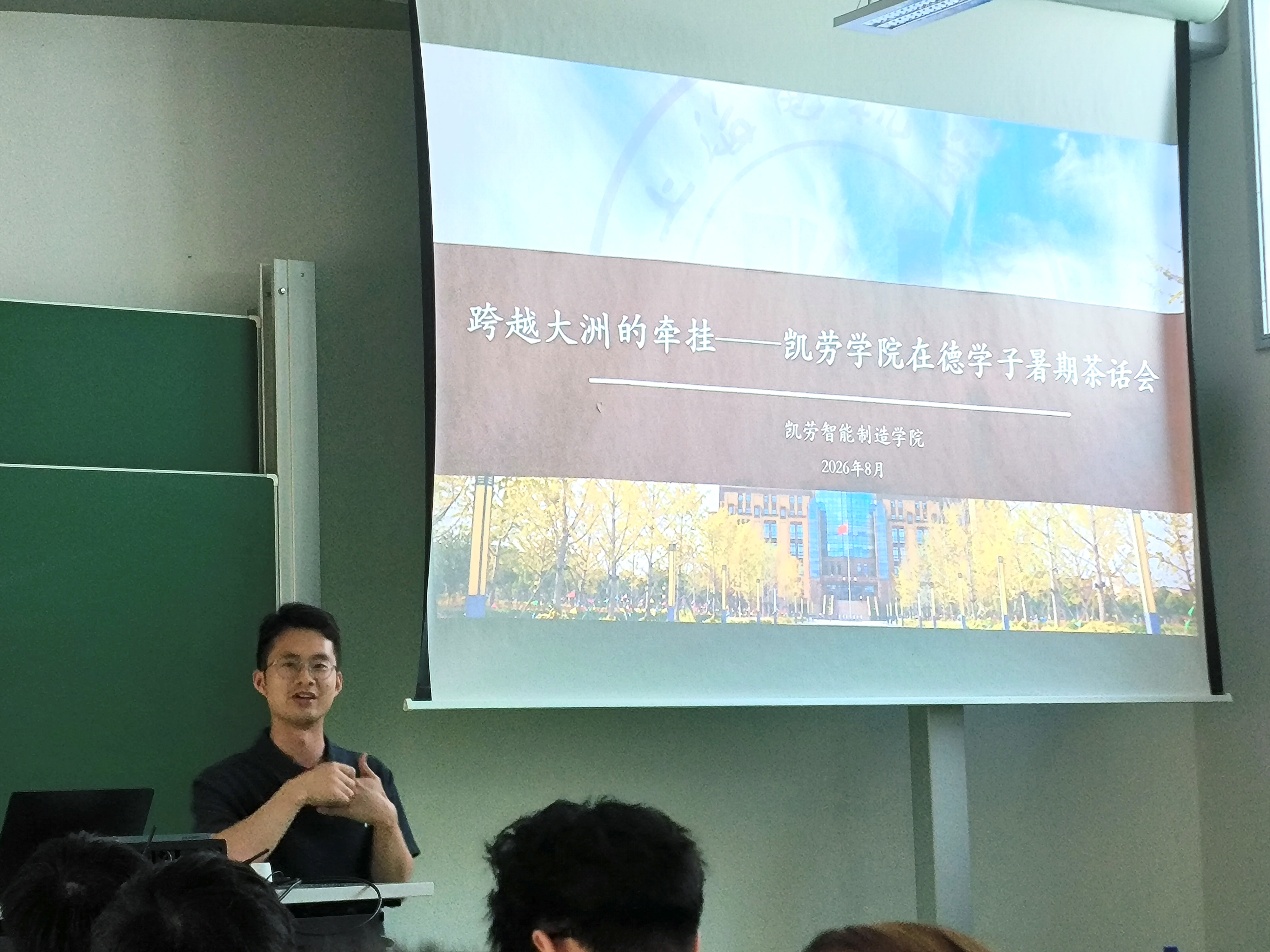
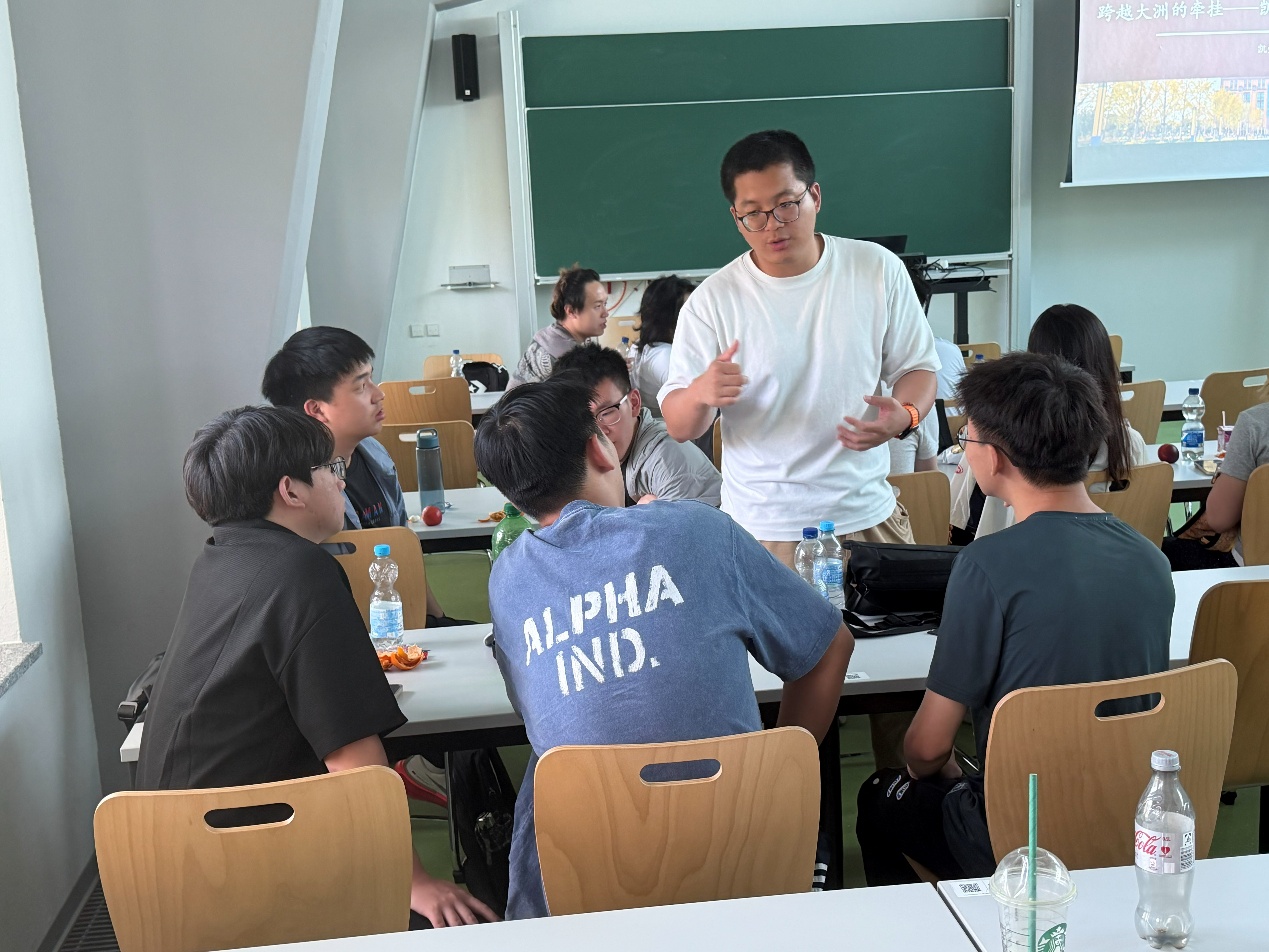
A themed discussion session also brought together students across the Eurasian continent. KKIP students studying in Germany shared their experiences and practical advice on adapting to life abroad, academic planning, psychological adjustment, and language learning. On behalf of KKIP, Xie Enling extended greetings to them, learned about their academic progress and daily lives, and reminded them to uphold the highest standards of academic integrity. With Party building guiding CCYL development, patriotism, dedication, integrity, and kindness were translated into everyday conduct. This was a vivid example of character education in action on the global stage.
2. The spirit of industry: finding direction through rigor and practicality
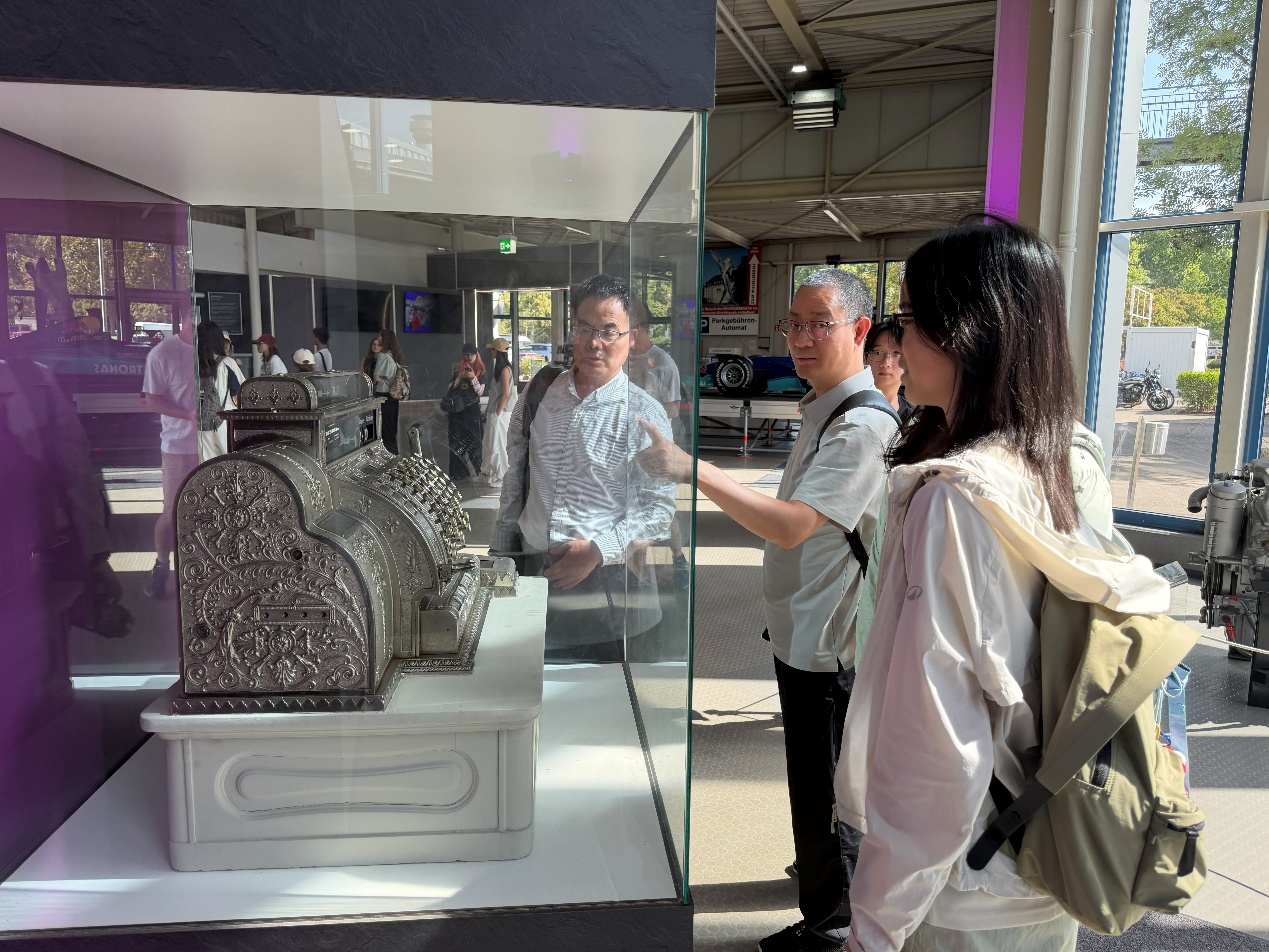
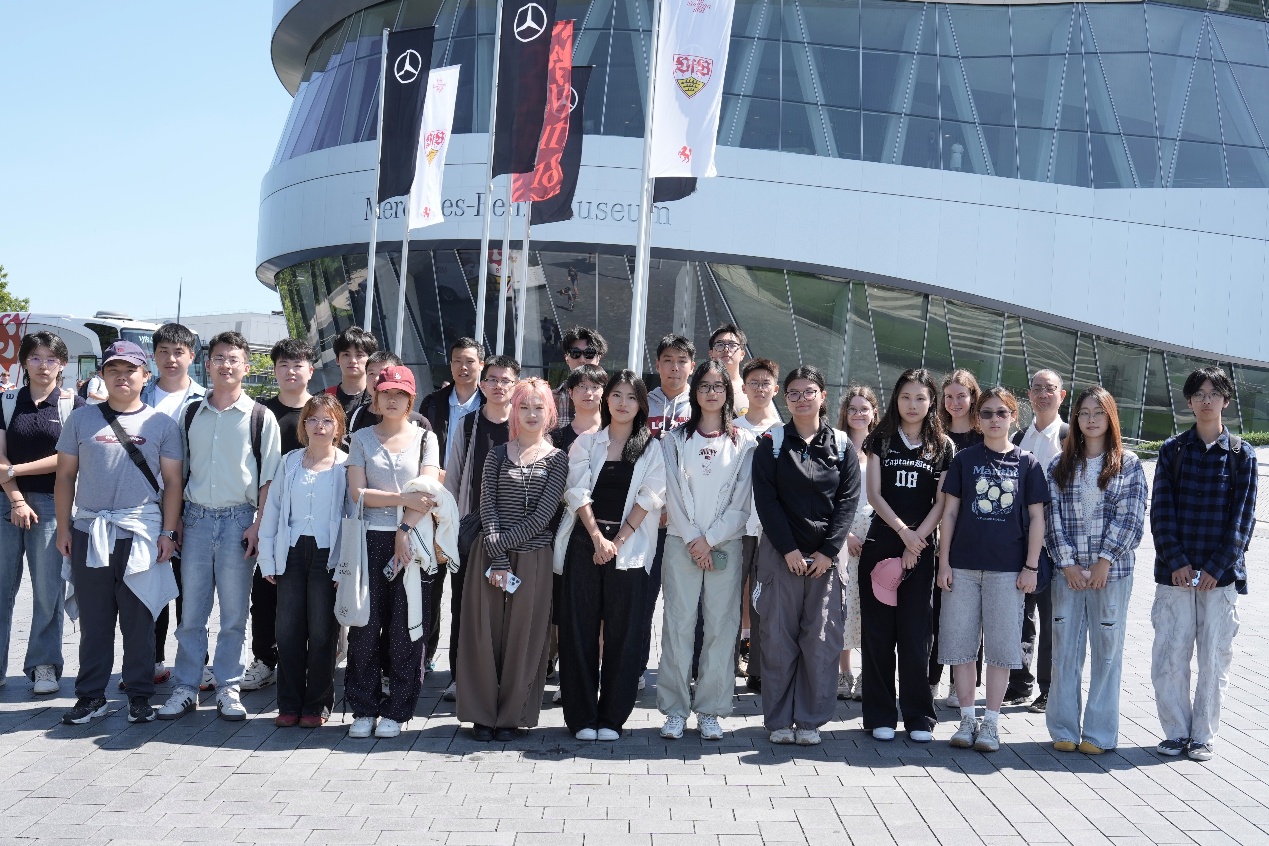
The spirit of industry is a defining element in the development of future intelligent manufacturing professionals. At the Mercedes-Benz Museum, more than 160 exhibits are arranged to illustrate how technological advances respond to changing social needs. Lightweight vehicle design reflects progress in materials science; anti-lock braking systems (ABS) demonstrate advances in automotive safety; and concept vehicles powered by new energy technologies points to the transition toward cleaner energy. In front of cutaway engine models, students examined actual components from electric motors, electronic control systems, and mechanical transmissions, bringing the principles they had studied in diagrams and textbooks to life. At the Technik Museum Speyer, students stepped aboard a Boeing 747 and explored the decommissioned U9 submarine, gaining a firsthand appreciation of the complexity and precision involved in large-scale systems integration. These visits offered a clear lesson: The true spirit of industry lies in addressing real problems with rigor and pragmatism. Avoiding exaggeration and blind conformity, it means objectively understanding the path others have traveled, and then steadfastly forging our own.
3. Putting knowledge into practice: building professional competence through industry–education integration
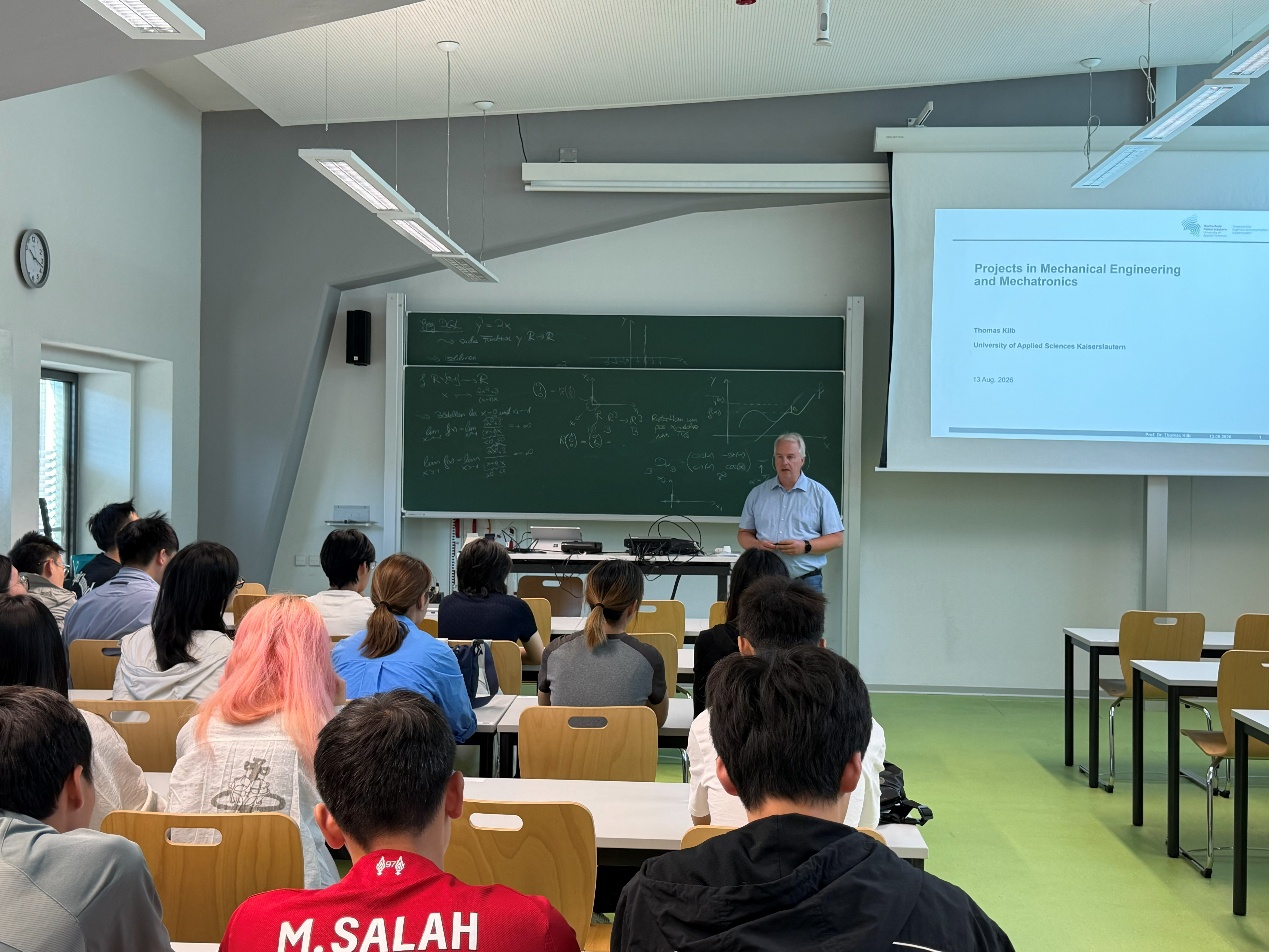
During the academic exchange session, Professor Ludwig Peetz introduced German history through the origins of language, prompting students to reflect comparatively and gain a deeper understanding of China’s own history. Professor Uli Schell explained the application-oriented curriculum framework adopted by German universities of applied sciences, highlighting its strong alignment with SDJU’s technology-based and application-oriented philosophy. Professor Thomas Kilb drew on a range of project cases to demonstrate how mechanical engineering and mechatronics are applied in different practical settings, helping students translate abstract concepts into concrete engineering thinking.
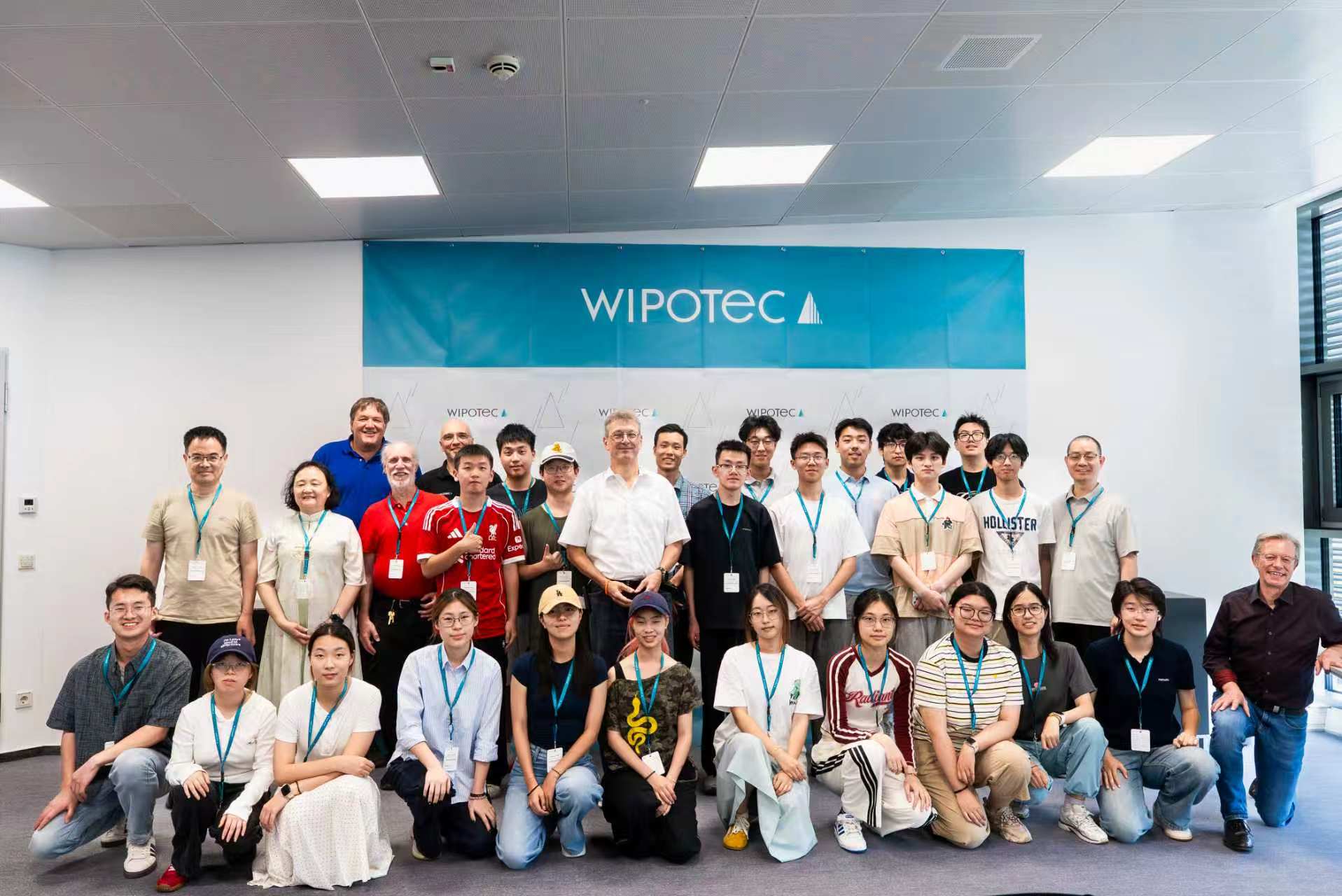
The practical session took the delegation to two leading German companies in their respective industries. At Wipotec, a precision instrumentation manufacturer, SDJU faculty members and students followed the entire process from research and development through production, testing, and logistics. Three engineers provided detailed explanations of the technologies involved, from mechanical structures to sensor algorithms. Demonstrations of equipment capable of achieving microgram-level precision gave students a firsthand understanding of how industry, academia, and research can work in close coordination. At Adient’s automotive seat manufacturing plant, automated welding and assembly lines operated with remarkable efficiency. By observing process optimization on the production floor, students came to recognize the gap that must be bridged between laboratory research and real-world manufacturing. At the end of the program, each group presented its findings in German, strengthening both its language proficiency and analytical skills.
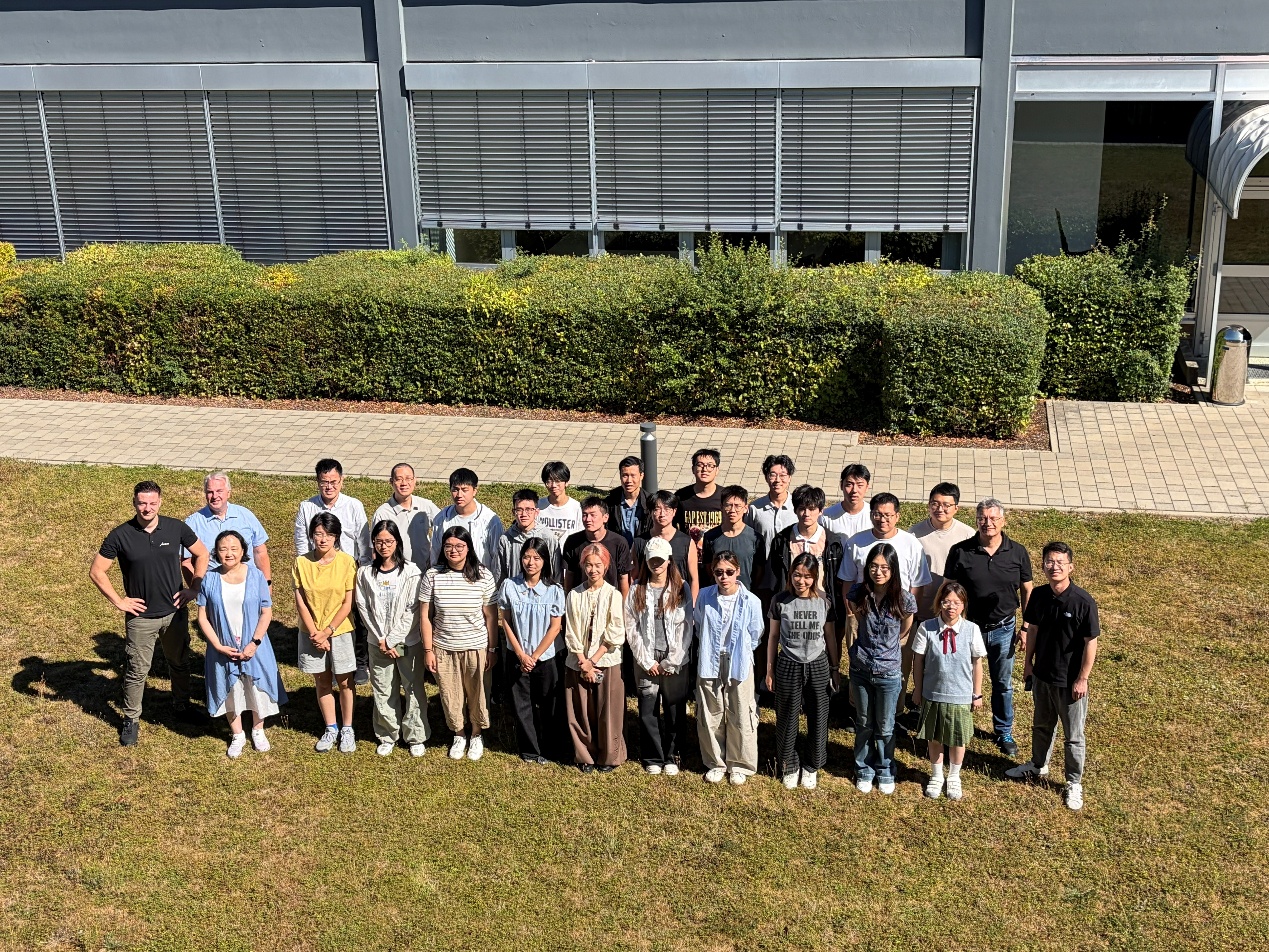
The summer program represents an important step in advancing international education and broadening students’ global perspectives. Through on-site visits and academic exchanges, students experienced firsthand the rigor, pragmatism, and emphasis on innovation that characterize German universities of applied sciences. The program also laid a solid foundation for further cooperation between the two institutions. In the future, KKIP will remain committed to a student-centered approach, actively expanding opportunities for overseas exchange and developing outstanding field engineers equipped to serve advanced manufacturing industries worldwide. It will continue to encourage young students to pursue their ambitions with confidence and contribute to the advancement of China’s intelligent manufacturing sector.