
At a time when AI is profoundly reshaping the landscape of education and the global industrial structure is undergoing accelerated transformation, how can universities of applied sciences connect with the world through an open approach and cultivate talent through integrated pathways? From November 23 to 24, the 2025 International Cooperation Forum for Universities of Applied Sciences (ICFUAS) was held at the Lin-gang Campus our university under the theme of “AI-Empowerment for Talent Cultivation · Global Connectivity for Industry–Education Integration.” More than 150 distinguished guests, including experts, scholars, and enterprise representatives from 10 countries around the world and nearly 30 peer universities in China, gathered to explore pathways for advancing international cooperation and industry-education integration (IEI) among applied universities in the era of artificial intelligence.
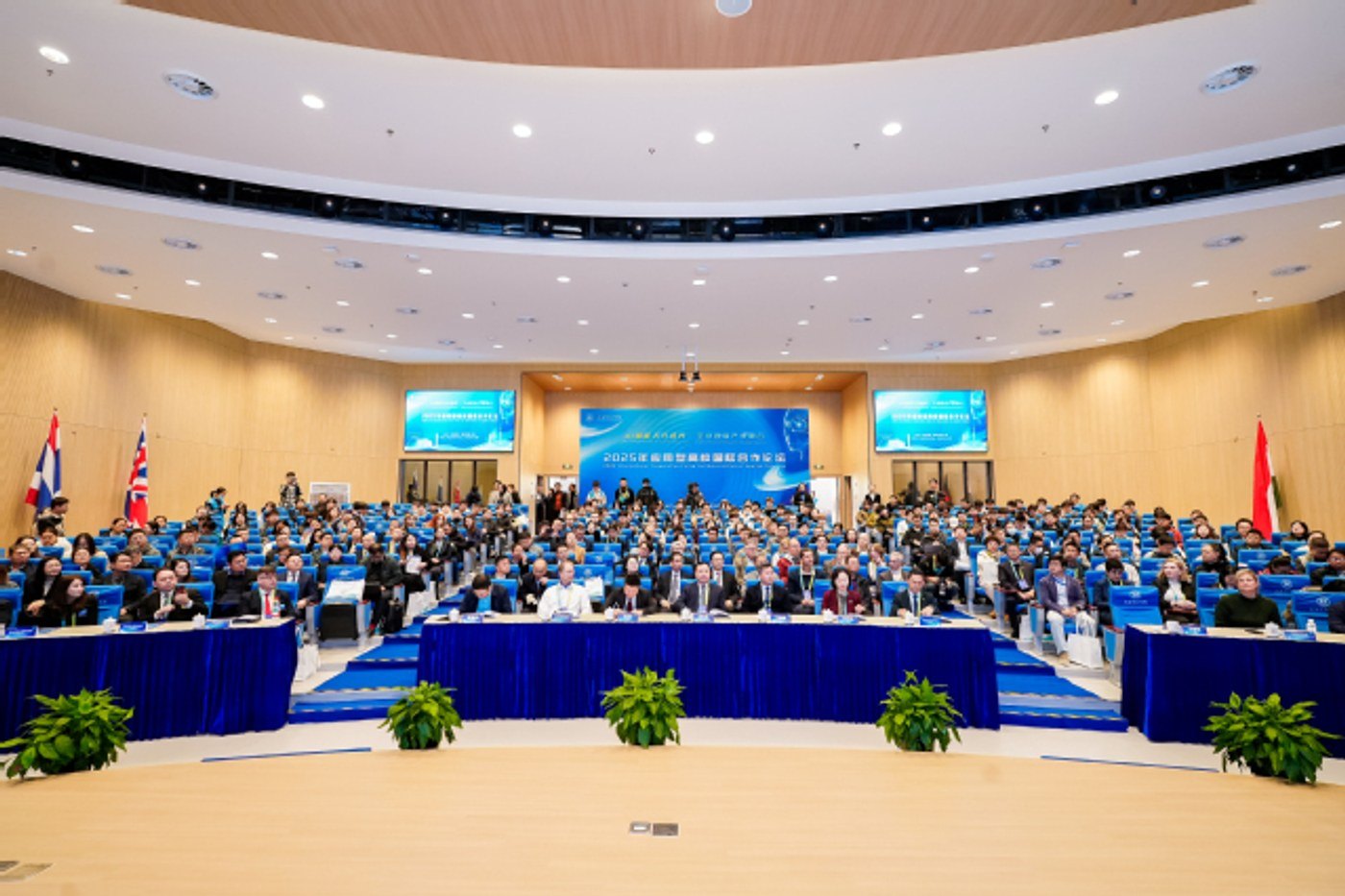
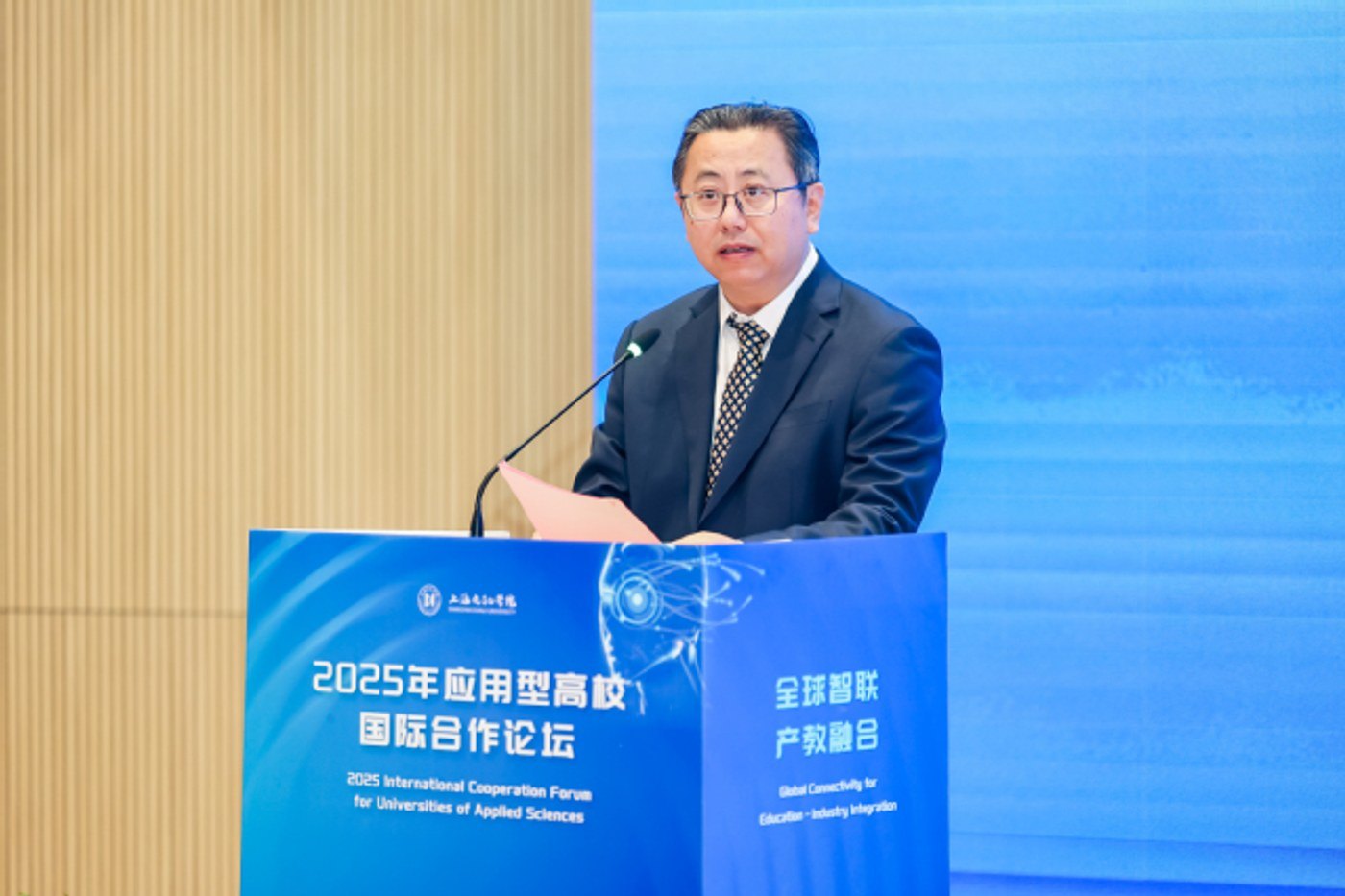
On the morning of November 23, the opening ceremony of the forum was officially held at the SDJU Library Lecture Hall. The ceremony was presided over by Professor Wang Hongzhi, SDJU Vice President.
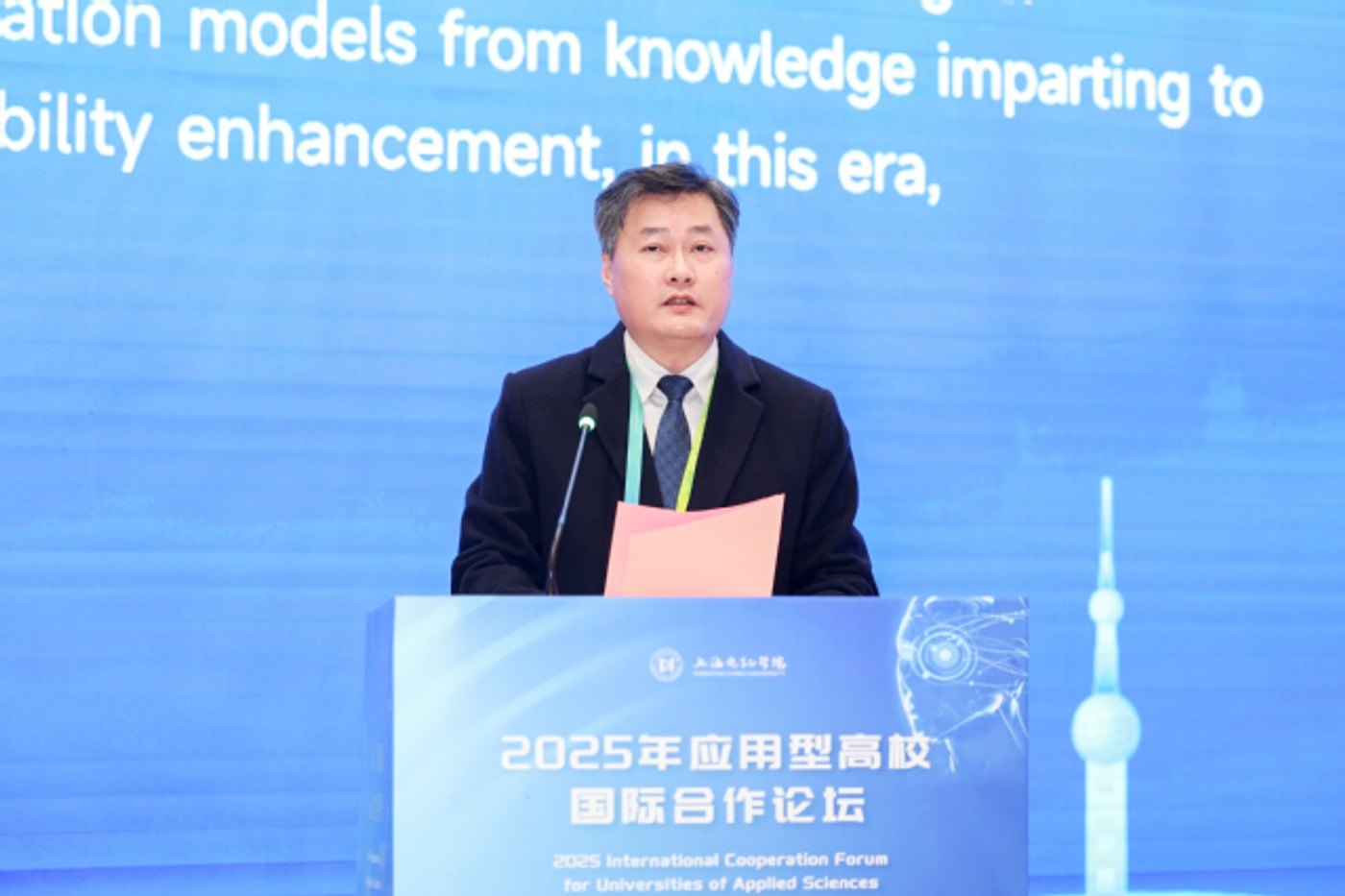
In his speech, Wang Xiaofeng, Vice President of Hefei University; Secretary-General of CEAIE Branch of Universities of Applied Sciences (BUAS), pointed out that applied universities should proactively adapt to the new demands of the AI era and build a more open and inclusive new paradigm for international cooperation. BUAS of CEAIE will continue to play its role as a bridge and a link, continuously expanding the breadth and depth of international exchanges and cooperation, and actively supporting various high-level international dialogue activities, including this forum.
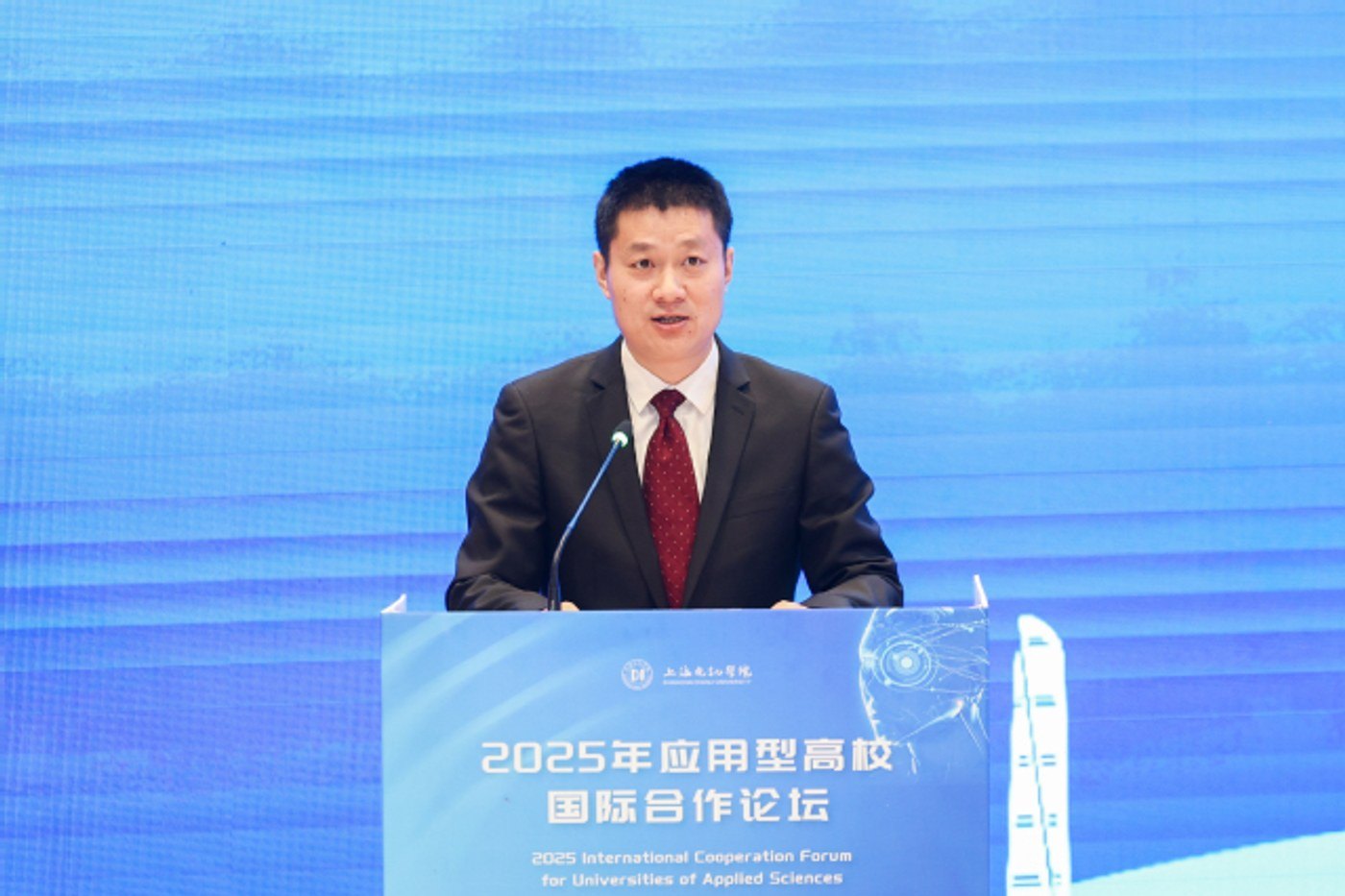
Chen Hao, Deputy Director of International Affairs Division of Shanghai Municipal Education Committee, noted that China’s educational reform and innovation must be rooted in China while also embracing a global perspective. Shanghai will continue to advance the internationalization of education, support universities in carrying out deeper IEI practices, and encourage applied universities to remain firmly committed to talent cultivation as their fundamental mission. By continuously deepening educational and teaching reforms and improving the quality of talent development, applied universities can provide more outstanding applied, interdisciplinary, and innovative professionals to support the economic and social development of Shanghai and the nation.
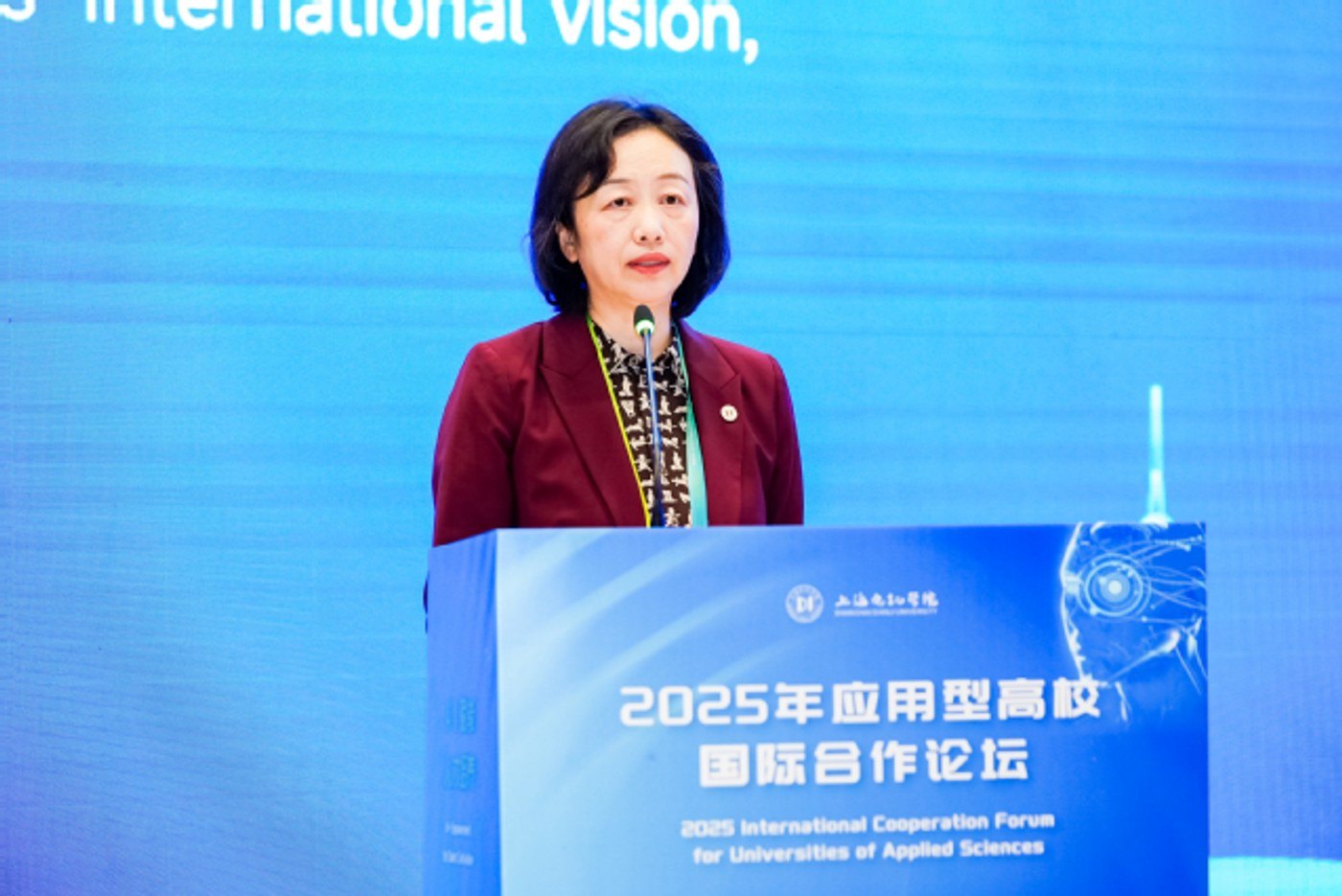
Professor Gong Siyi, SDJU President, stated that as an educational force closely aligned with the forefront of industry development, applied universities have always regarded IEI as a fundamental pathway for their advancement. Meanwhile, AI, by reshaping teaching models, optimizing training processes, and enhancing talent competitiveness, has become a key driver for further advancing this pathway. In the face of profound changes brought about by the times, applied universities should proactively embrace transformation in three aspects. First, they should promote “AI empowerment” by restructuring curricula and teaching scenarios, strengthening students’ ability to collaborate with AI in solving complex engineering problems, and accelerating the development of data-driven smart governance ecosystems. Second, they should enhance “global smart connectivity” by building networks that foster deep collaboration among universities and enterprises, enabling curriculum interoperability, mutual recognition of credits, faculty sharing, and research collaboration, so as to jointly cultivate internationally oriented talents with cross-cultural understanding, global competence, and industrial adaptability. Third, they should deepen IEI by embedding industrial needs throughout the entire talent cultivation process, jointly developing faculty teams, tackling key technological challenges, and building a new IEI ecosystem featuring data sharing, platform connectivity, and coordinated capabilities.
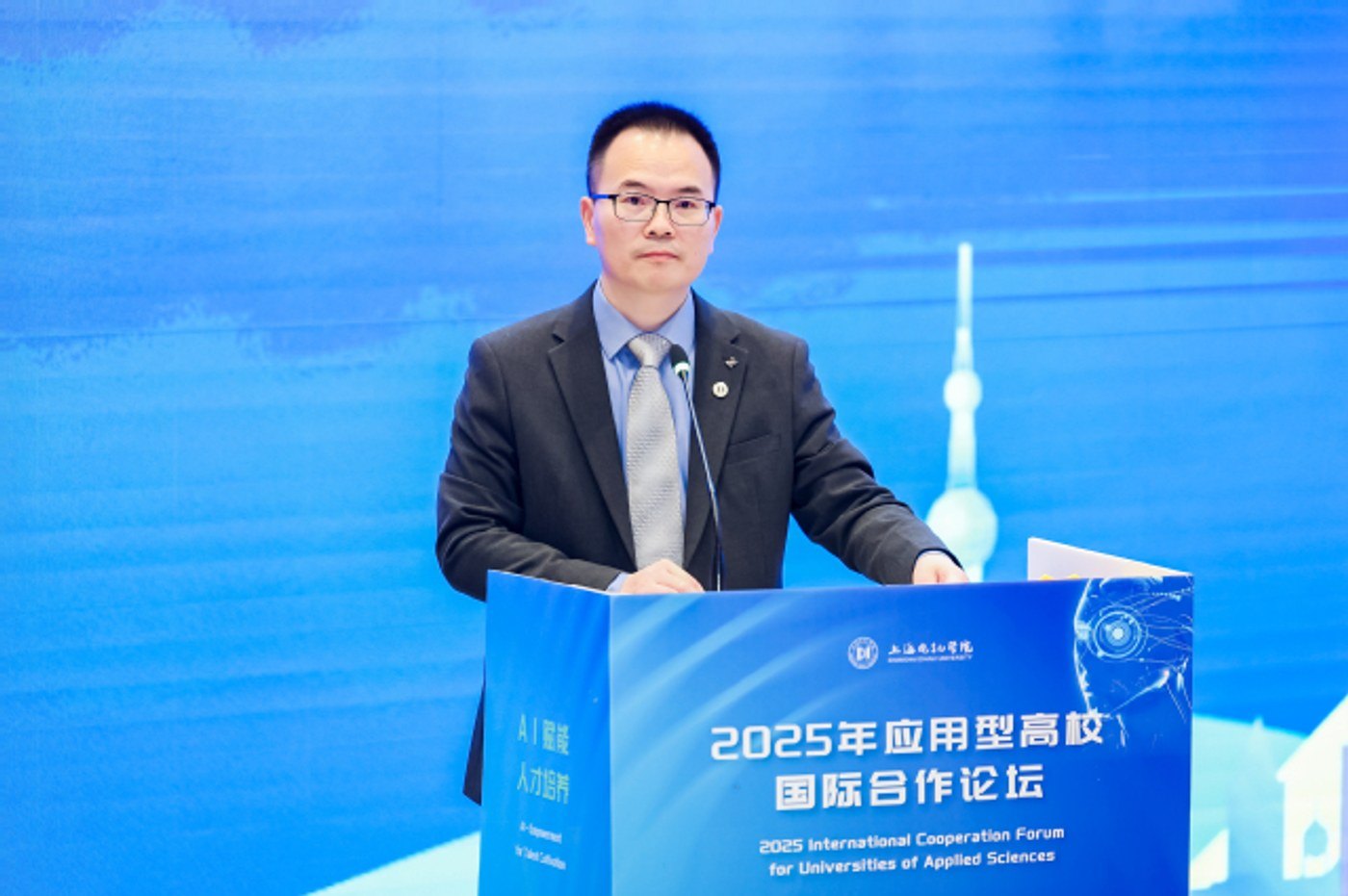
The keynote session was chaired by Professor Yang Junjie, SDJU Vice President. More than ten renowned experts, scholars, and industry leaders from China and abroad shared their cutting-edge insights and practical experiences in their respective fields.
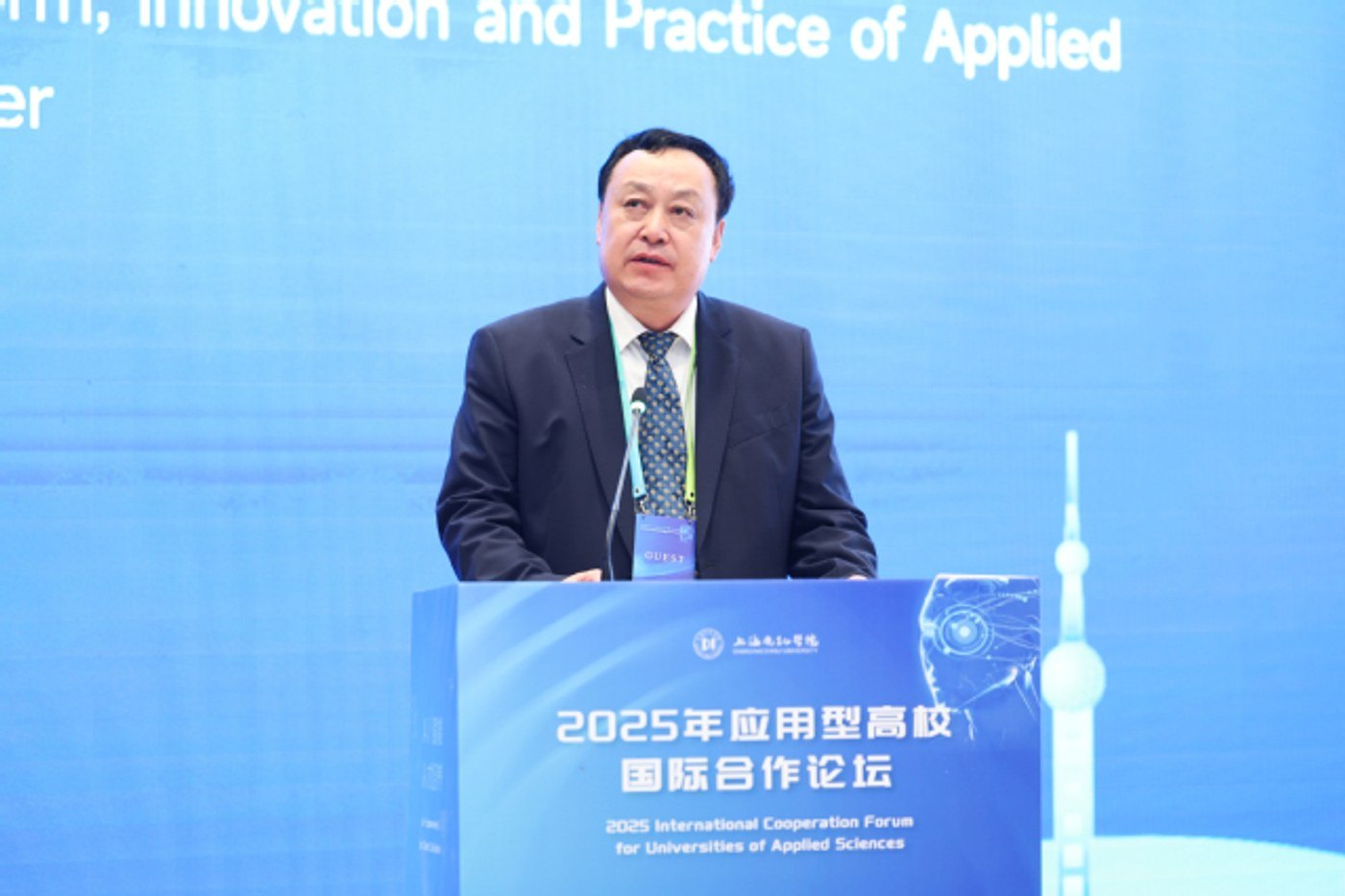
Professor Cai Jingmin, Vice Chairman of the Educational Evaluation Branch of China Association of Higher Education; Chairman of CEAIE International Exchange Branch for Applied Universities, delivered a keynote speech entitled “Reform, Innovation, and Practice of Applied Universities in China.” He systematically reviewed the development of China’s applied universities, from drawing on the German model to pursuing localized innovation, and put forward strategic reflections on its future development.
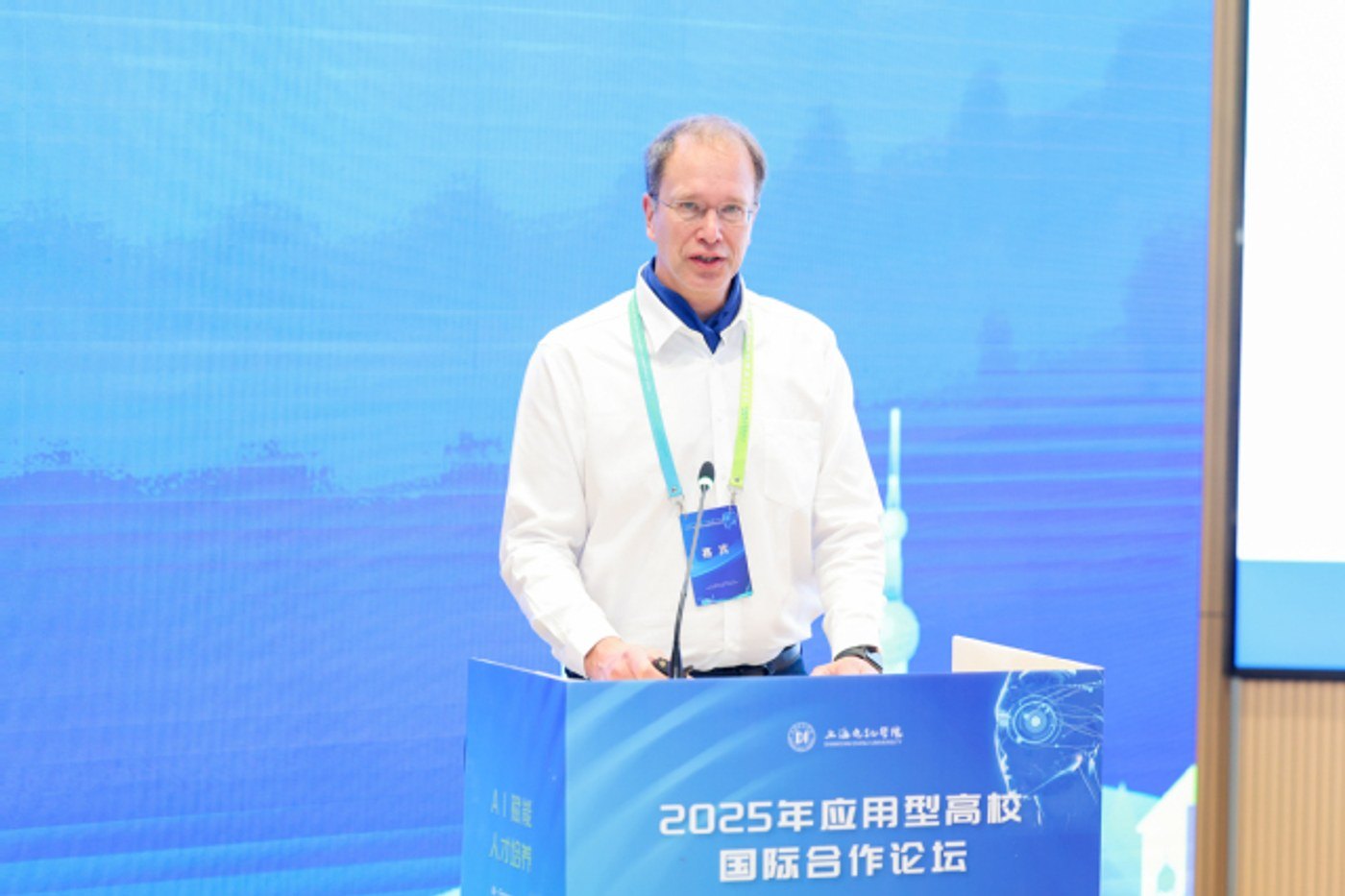
Professor Jörg Reiff-Stephan, former Vice President of TH Wildau in Germany, delivered a keynote speech entitled “International Cooperation in the Era of AI.” He shared advanced experiences of German universities in AI education and emphasized the importance of establishing trust-building mechanisms for cross-border cooperation.
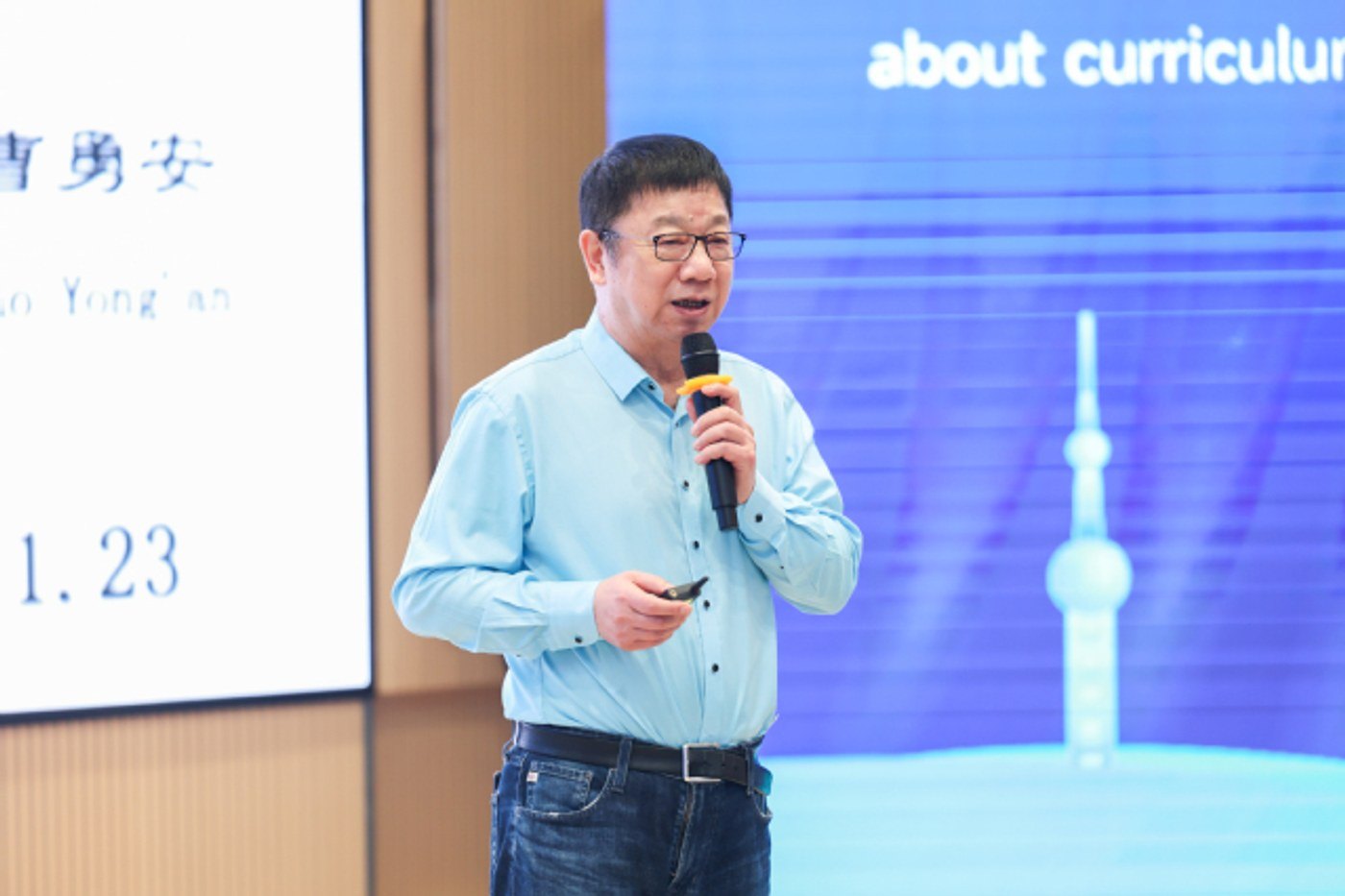
Cao Yong’an, President of Qiqihar Institute of Engineering, delivered a keynote speech entitled “AI Empowers Talent Cultivation along the Belt and Road.” He proposed leveraging AI and FT model to address key challenges in talent development for the Belt and Road Initiative.
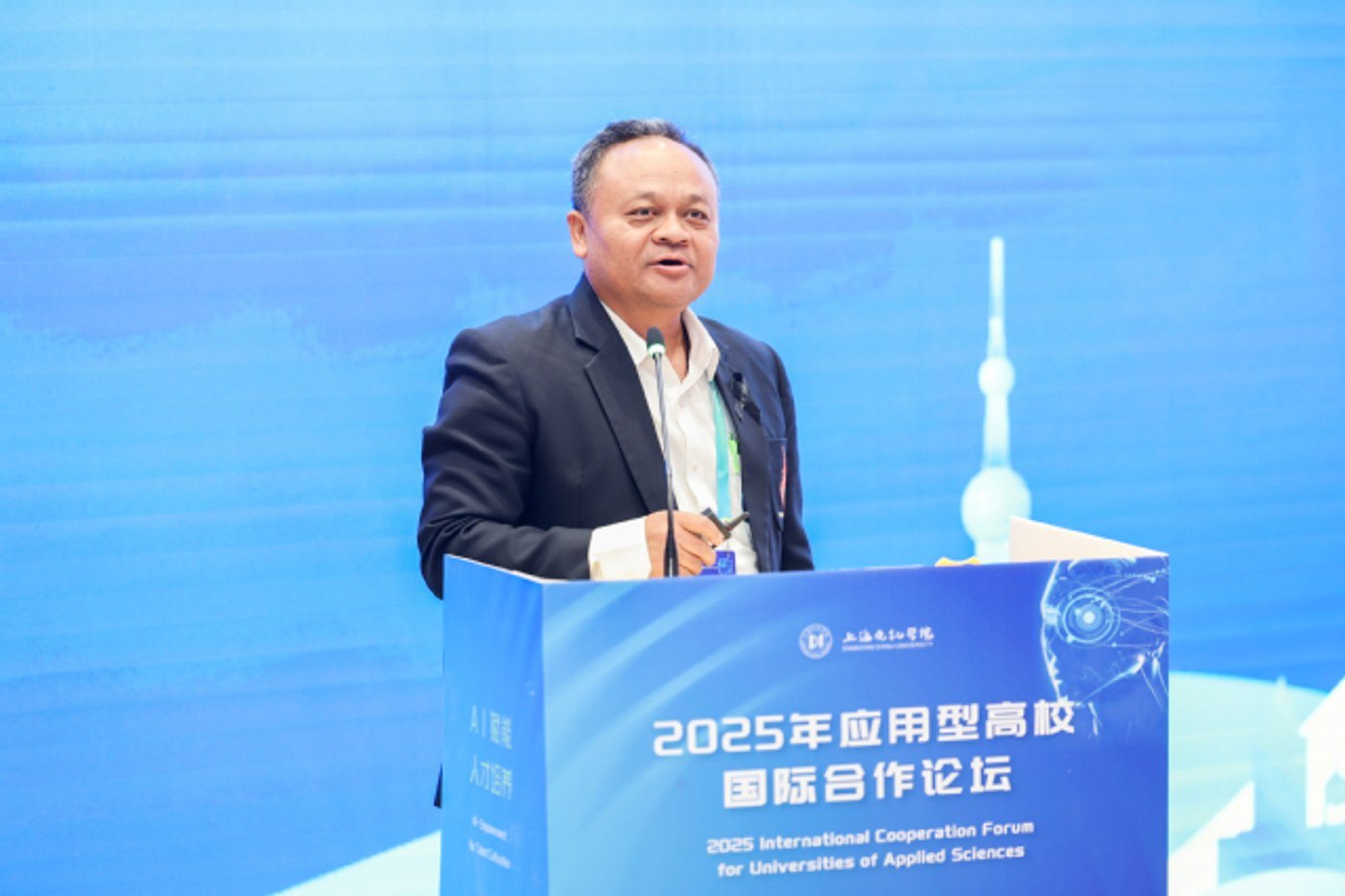
Professor Boonyang Plangklang, Assistant to the President of Rajamangala University of Technology Thanyaburi (RMUTT), Thailand, delivered a keynote speech entitled “On the Direction and Path of Current Development in Applied Science.” He pointed out that applied sciences are facing three major challenges: the diversified integration of technologies, the acceleration of technological transformation, and the need for international collaboration. He further proposed three strategic pathways for future development.
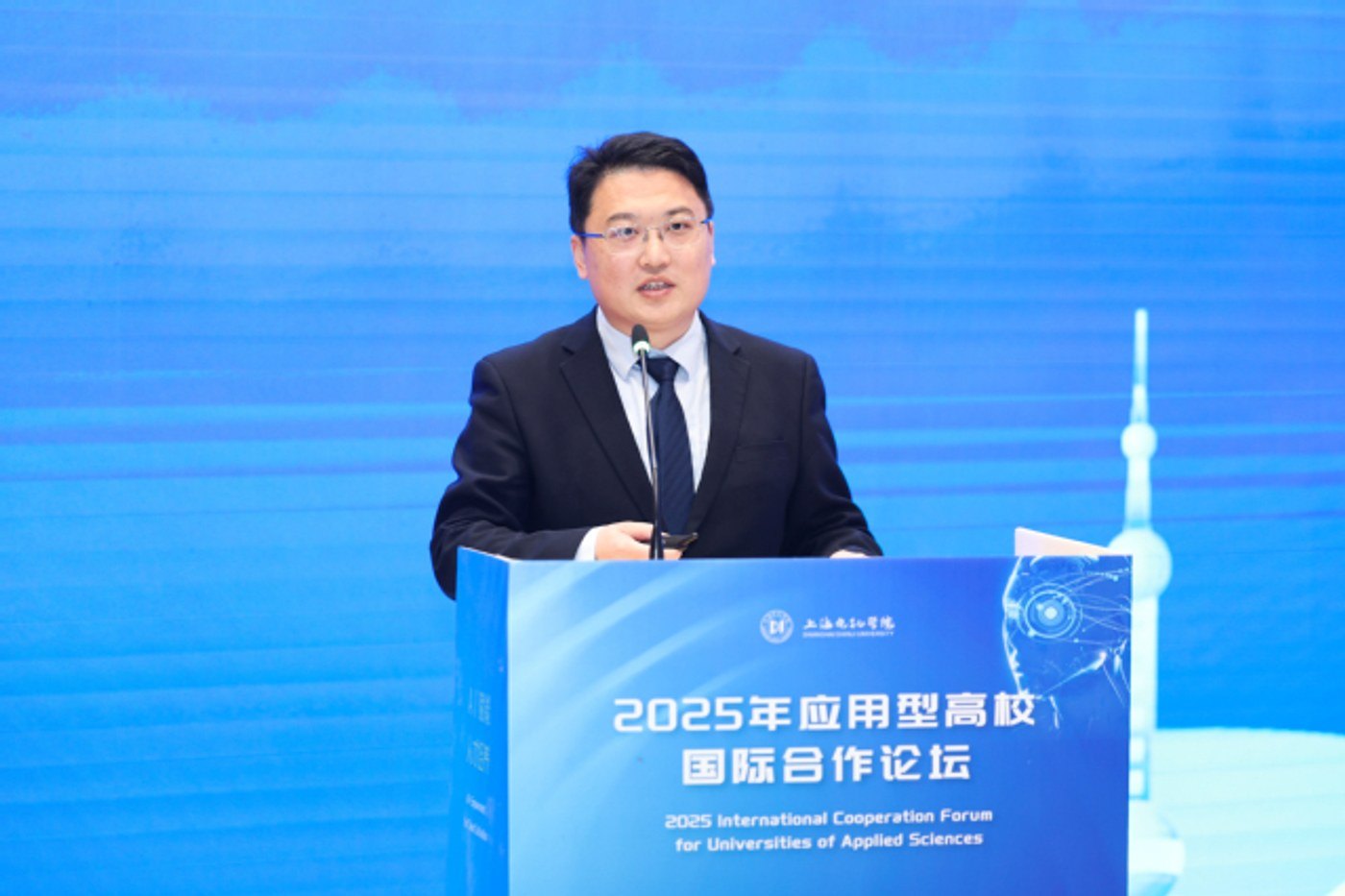
Jiang Yong, Vice President and Chief Engineer of Shanghai Electric Wind Power Group (SEWPG), delivered a keynote speech entitled “Building a Highland for Research Talent and Creating Outstanding Wind Power Products.” He provided a comprehensive overview of SEWPG’s technological innovation achievements in the wind power sector, as well as the outcomes of its in-depth university-enterprise collaboration with SDJU in areas including graduate talent cultivation, platform development, and technological breakthroughs.
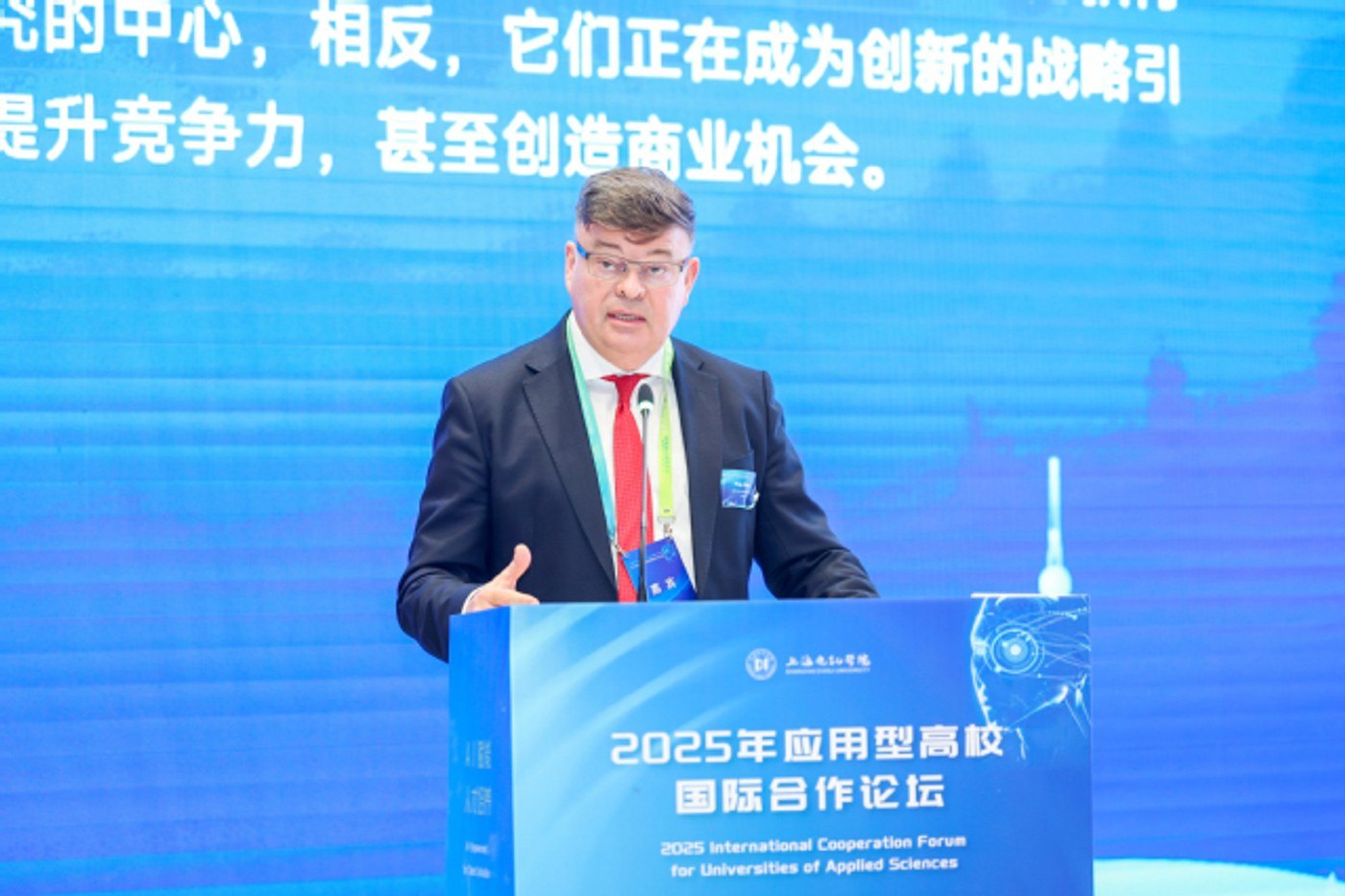
Professor Nagy Zoltan, President of John von Neumann University, delivered a keynote speech entitled “The Transformation of Higher Education in Hungary from State Dependency to Self-sustaining Universities.” He shared insights into Hungary’s experience in transforming its higher education system from reliance on state support toward autonomous and sustainable development.
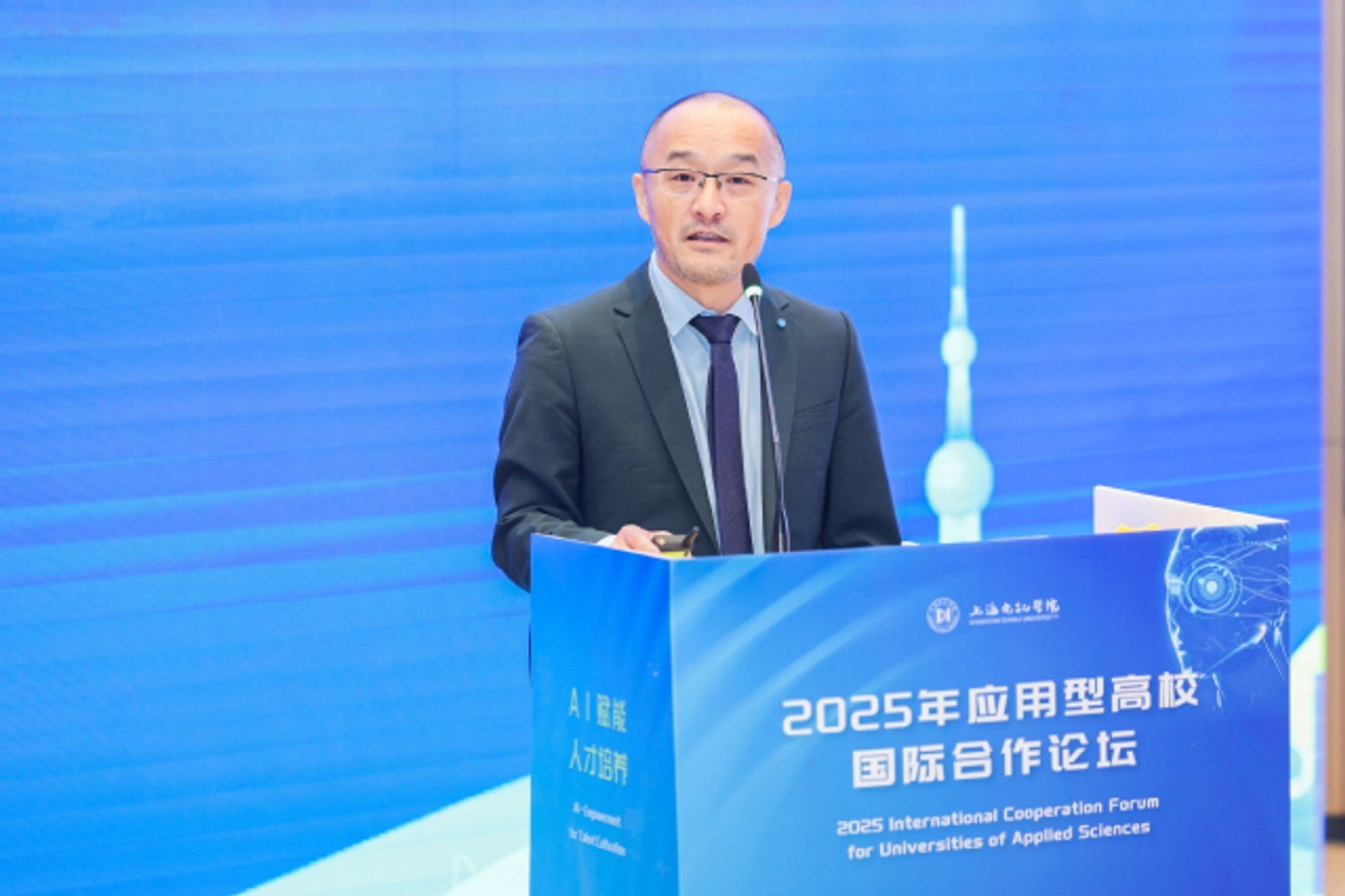
Wang Dapeng, Academician of International Academy of Astronautics (IAA) and Vice President of the Aerial Capability Layer Equipment Research Institute, delivered a keynote speech entitled “AI-enabled Satellite Remote Sensing – Life-cycle Monitoring for Power Energy Infrastructure.” He showcased innovative applications of AI technologies in satellite remote sensing and the full life-cycle monitoring of power and energy facilities.
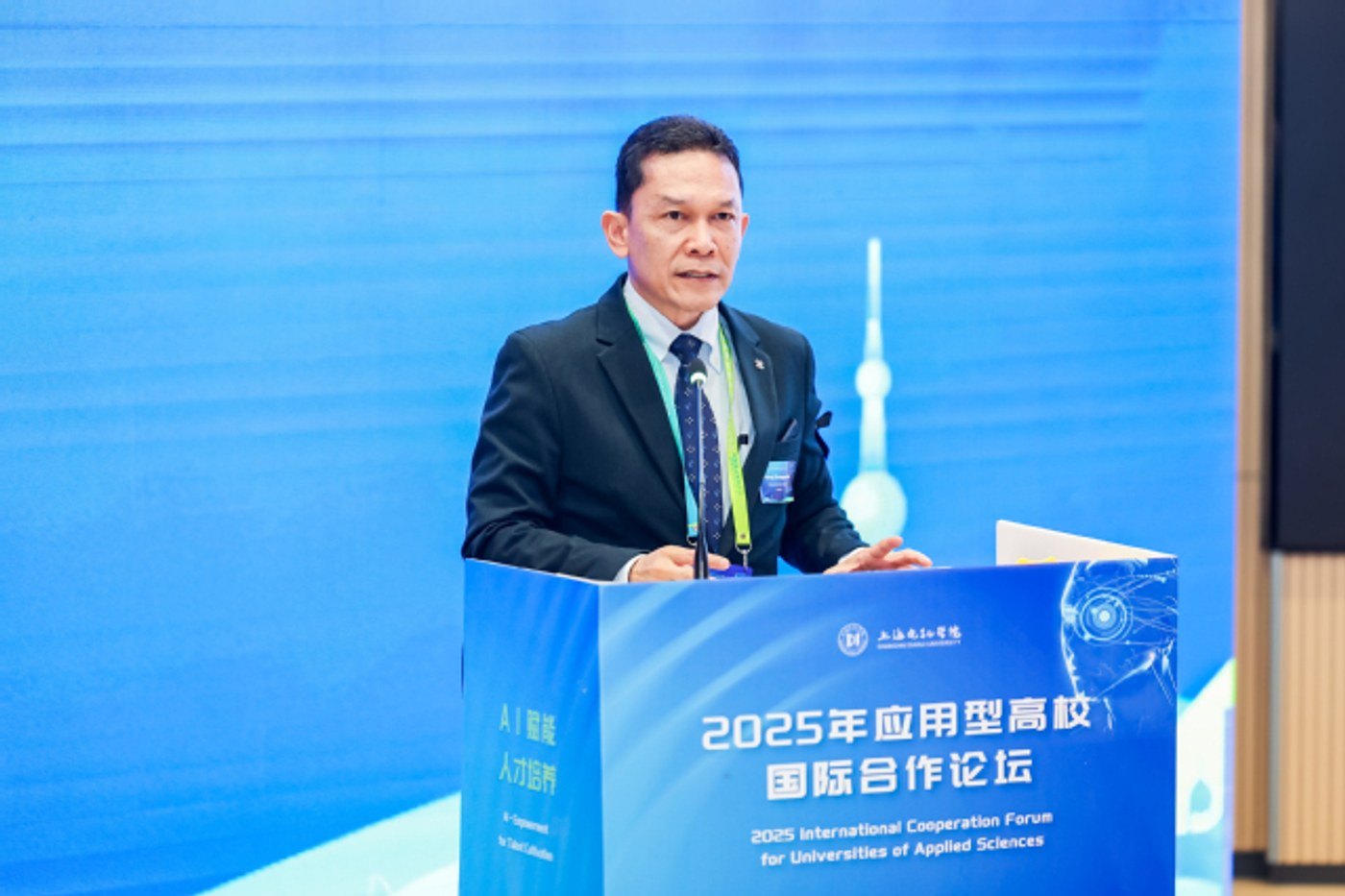
Associate Professor Pairoj Duangnakhon, President of Ching Rai Rajabhat University (CRRU) from Thailand., delivered a keynote speech entitled “AI at the Core: Powering CRRU's Digital Transformation.” He systematically introduced CRRU’s strategic planning and implementation outcomes in advancing institution-wide digital transformation driven by AI.
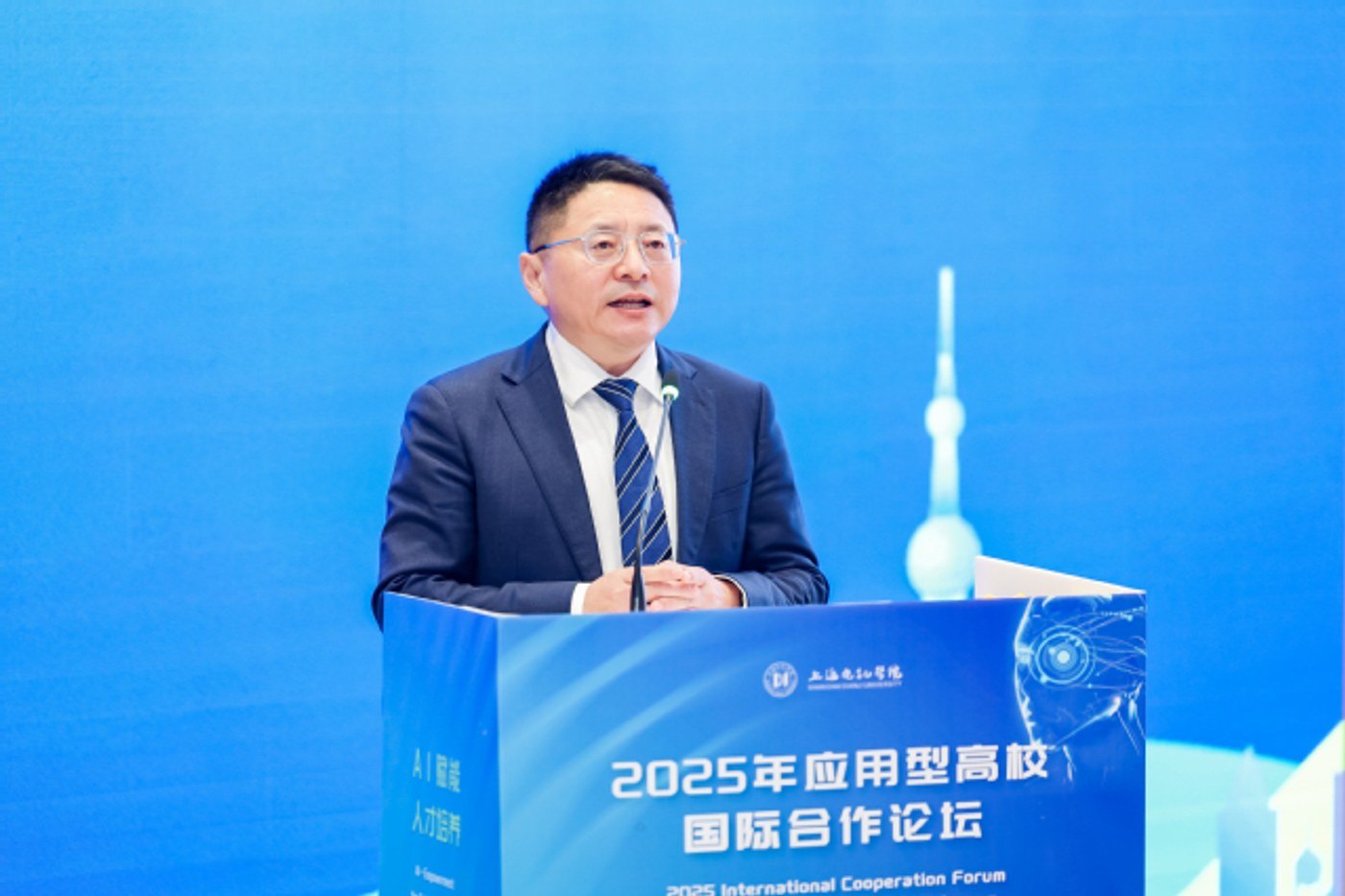
Sun Haiyong, Deputy Chief Engineer of Shanghai Lin-gang Special Area Aviation Industry Co., delivered a keynote speech entitled “Building a New Bridge for IEI: Talent Cultivation Practices of Lin-gang Large Aircraft Industrial Park and SDJU.” He provided a detailed account of innovative practices in collaborative talent cultivation between the large aircraft industrial park SDJU, demonstrating the fruitful achievements of IEI in the aviation sector.
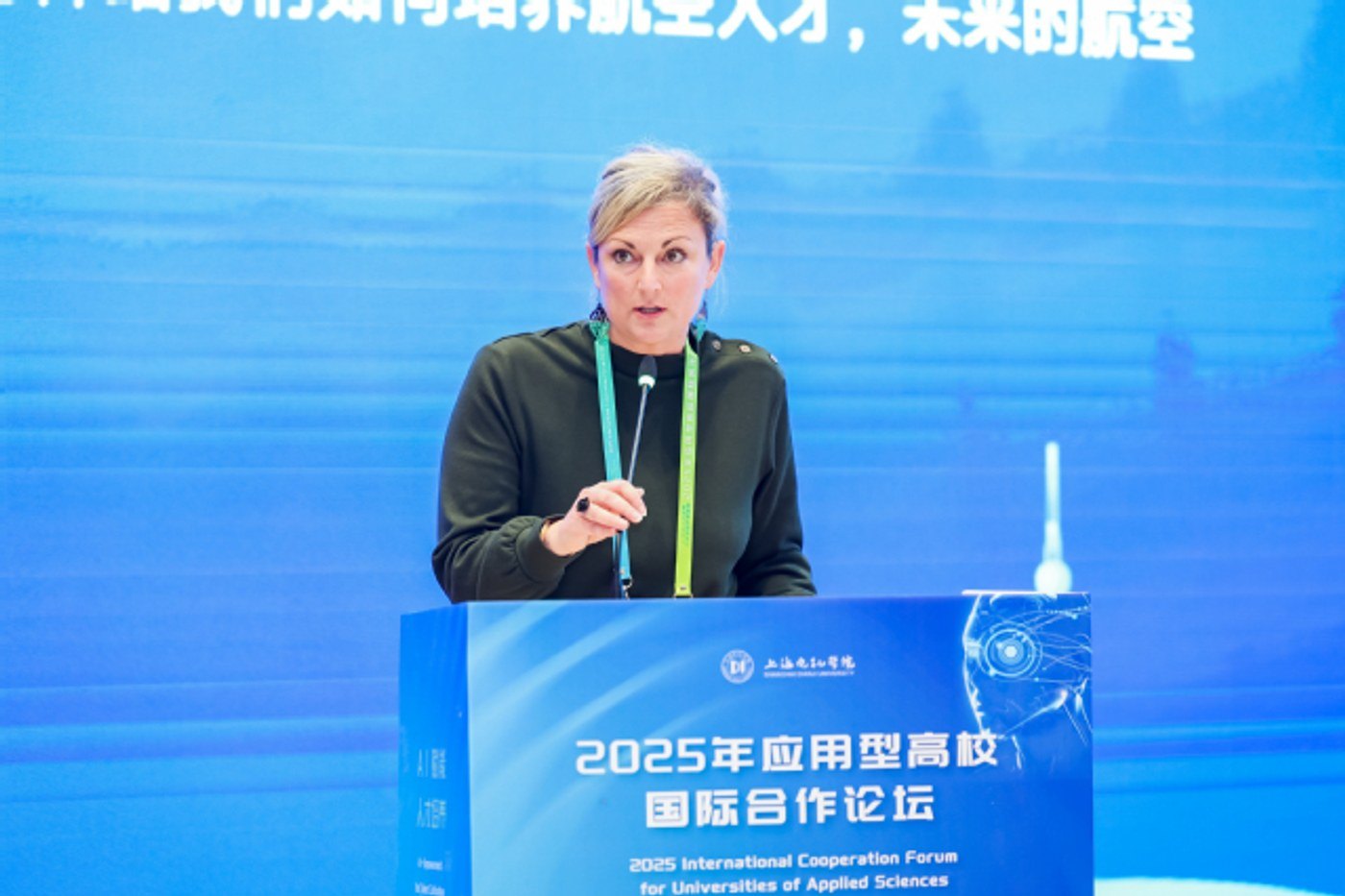
Professor Carine Livoti, Director of IUT Blagnac, UT2J in France, delivered a keynote speech entitled “Aviation Talents Cultivation.” She shared France’s advanced experience in aviation talent development, with a particular focus on innovative applications of AI technologies in aviation simulation training.
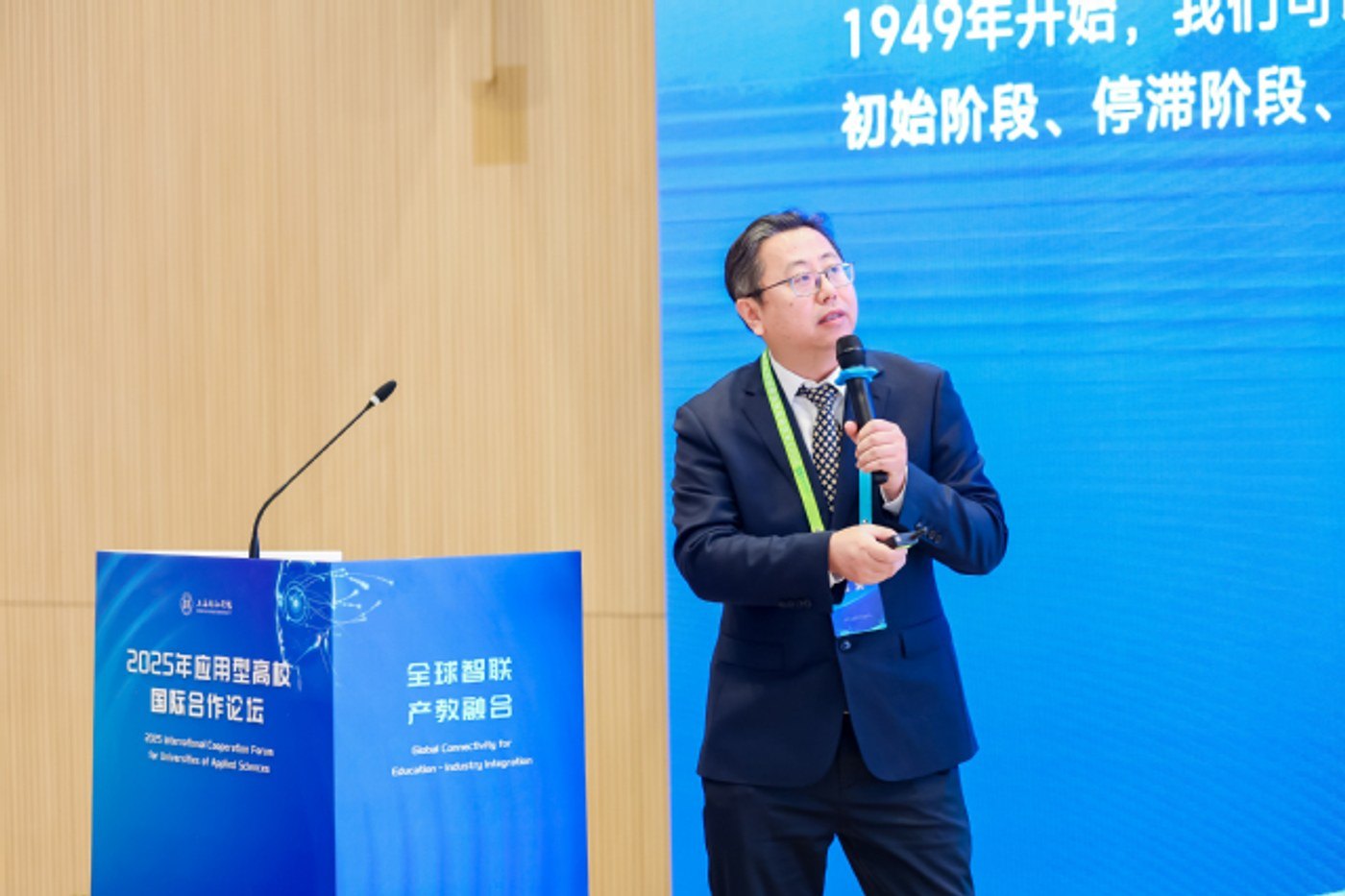
Professor Wang Hongzhi, SDJU Vice President, delivered a keynote speech entitled “AI Empowerment & Industry-Education Integration: Reshaping Universities of Applied Sciences.” He systematically elaborated on our university’s innovative approaches to advancing educational and teaching reform in the context of artificial intelligence. By establishing mechanisms for aligning academic programs with industry needs, SDJU has developed an innovative “Six Duals” talent cultivation model, featuring “dual training entities, dual faculty teams, dual competences, dual learning scenarios, dual certifications, and dual career pathways.” It has implemented the “Four Choices” cultivation pathway and carried out “four-stage” intensive on-campus and off-campus practical training, embedding industrial needs throughout the entire talent cultivation chain and ensuring seamless alignment between students’ engineering practice capabilities and workplace competencies. Professor Wang emphasized that AI should be leveraged to empower teaching. Through the development of a hierarchical and multidimensional “AI + curriculum system,” the creation of new forms of teaching resources, the innovation of teaching models, the establishment of “dual-qualified and digitally intelligent” faculty teams, and the construction of future classrooms and learning centers integrating virtual and physical environments, SDJU is promoting deep integration between curricula and enterprise projects. These efforts aim to equip students with the ability to navigate future industrial transformations and develop themselves into outstanding engineering and technical professionals who support regional economic and social development.
In the afternoon, three parallel sub-forums were held simultaneously, focusing on in-depth discussions of talent cultivation in different fields.
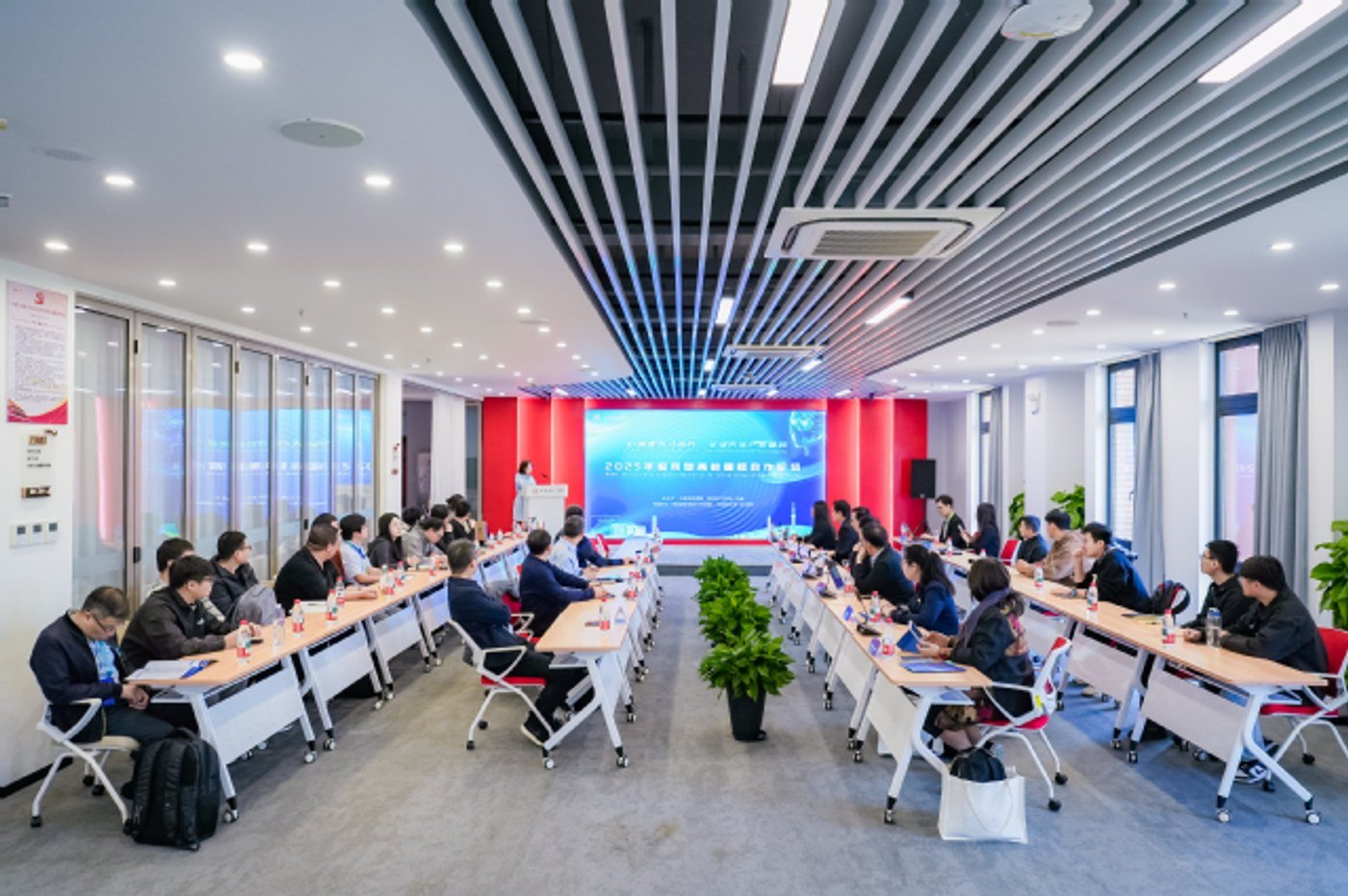
The Aviation Talent Cultivation Sub-forum was chaired by Professor Zhang Junhui from the School of Aeronautics. Participants engaged in extensive discussions on cutting-edge topics including intelligent aviation manufacturing, AI curriculum development, and simulation training, sharing innovative practices in aviation education from different countries.
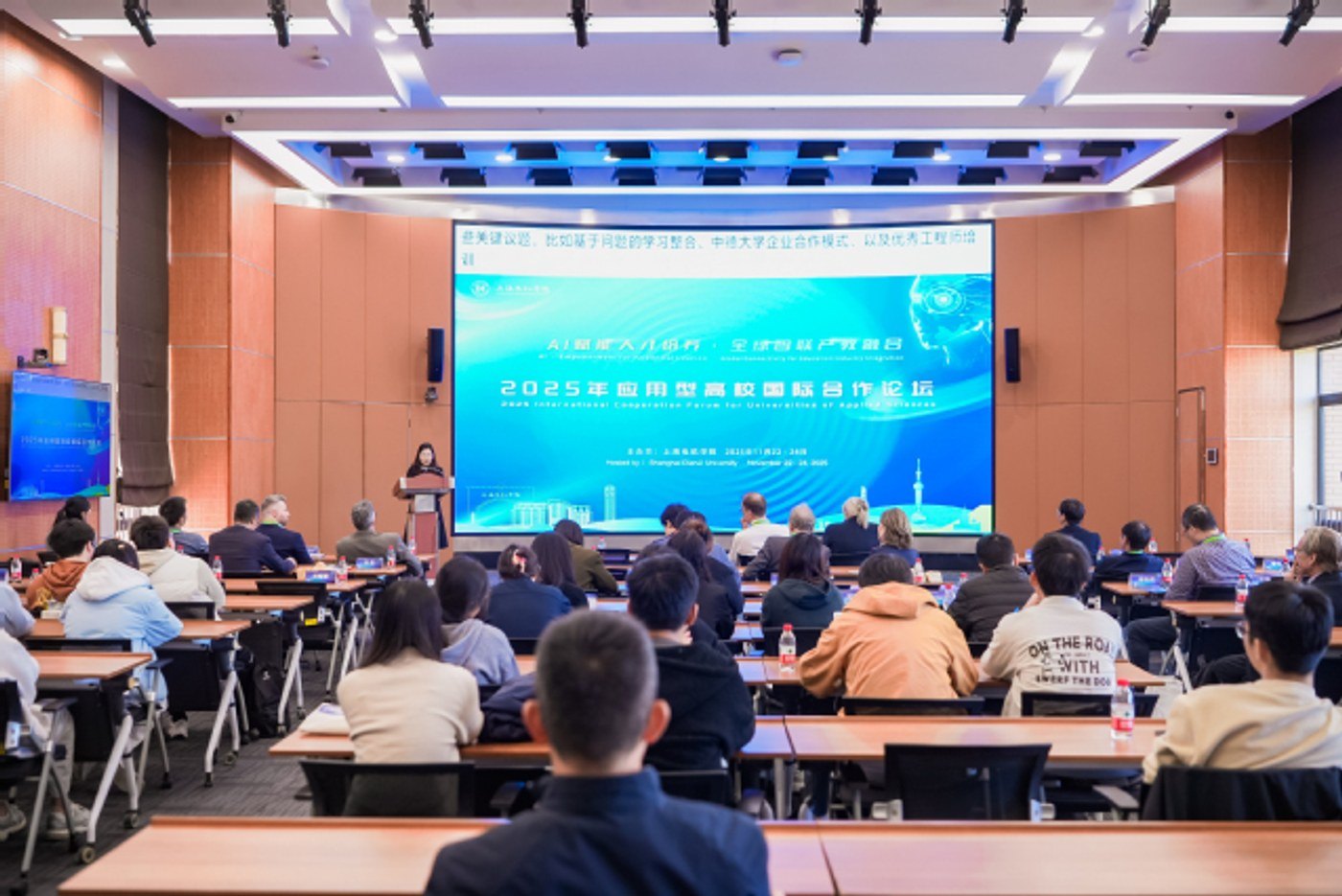
The Intelligent Manufacturing Talent Cultivation Sub-forum was chaired by Professor Zhou Jianhua from the School of Mechanical Engineering. Participants discussed key topics such as industrial internet, digital twins, and the development of cross-border IEI platforms. They reached a consensus on the need to further strengthen university-enterprise collaboration and build a more open system for cultivating intelligent manufacturing professionals.
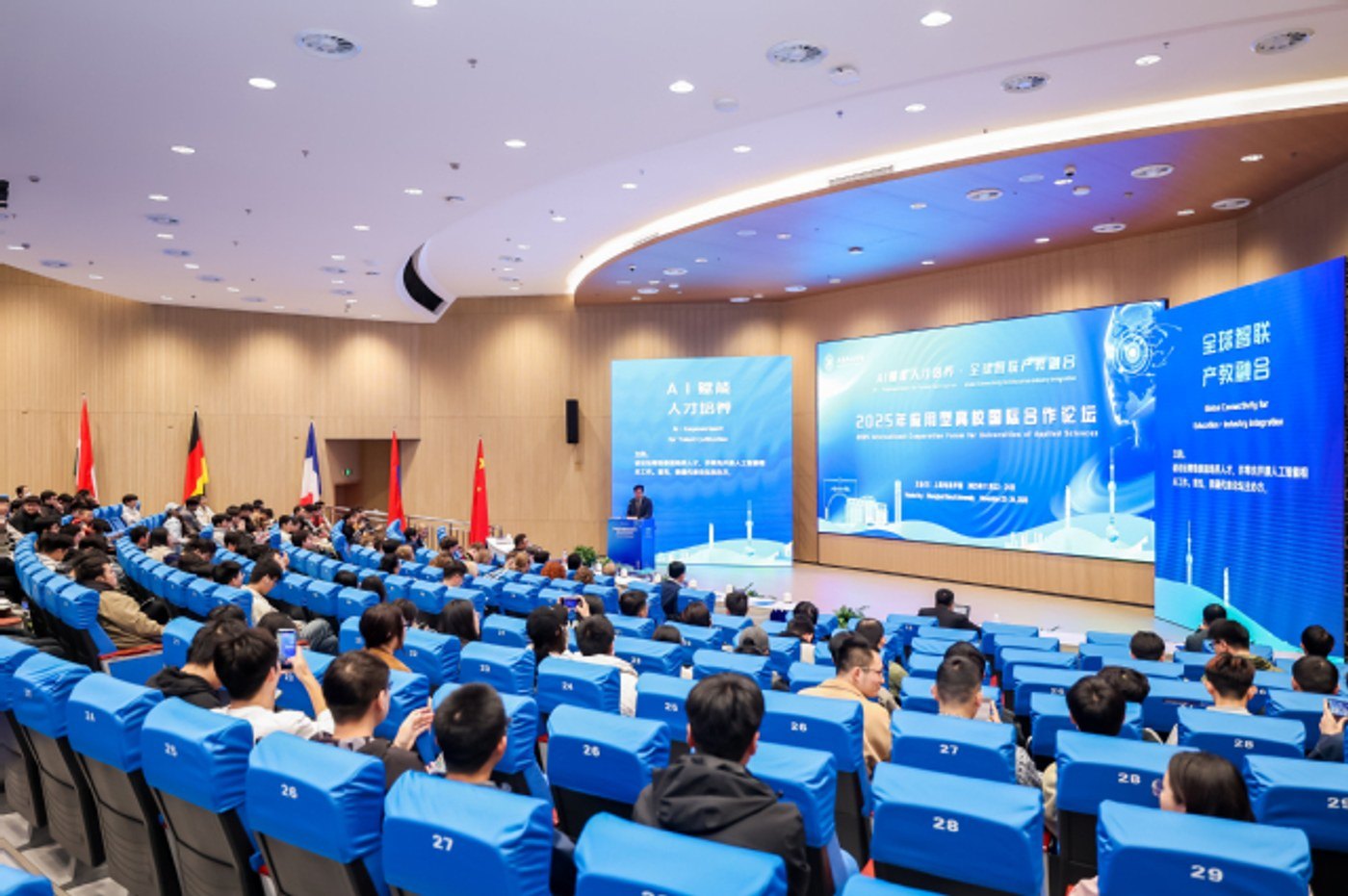
The Energy Talent Cultivation Sub-forum was chaired by Professor Li Quanfeng from the School of Electrical Engineering. Participants focused on frontier areas including new energy systems, power electronics, and AI-based operation and maintenance. They shared innovative practices in energy talent cultivation and reached multiple consensuses on future cooperation directions.
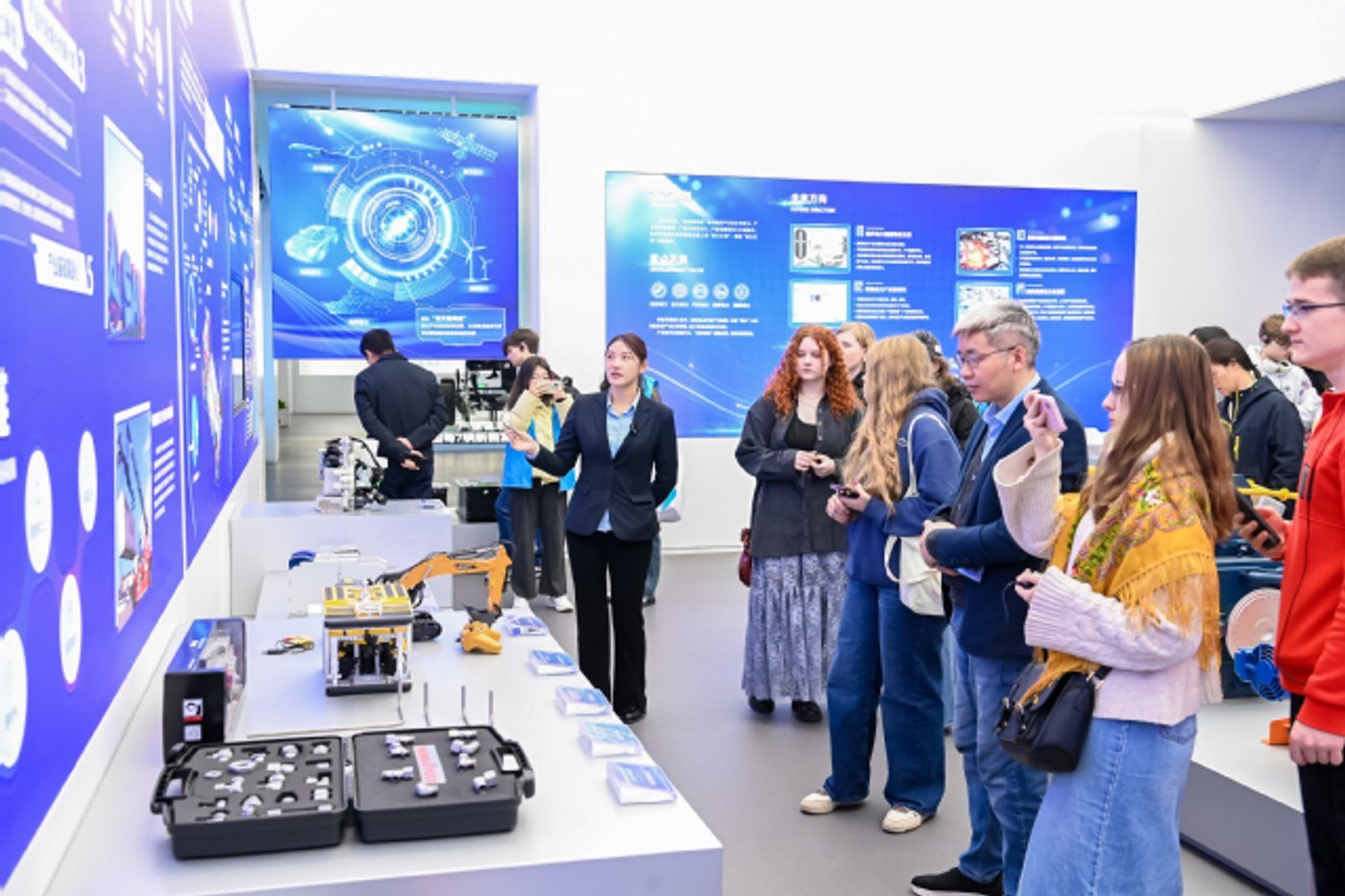
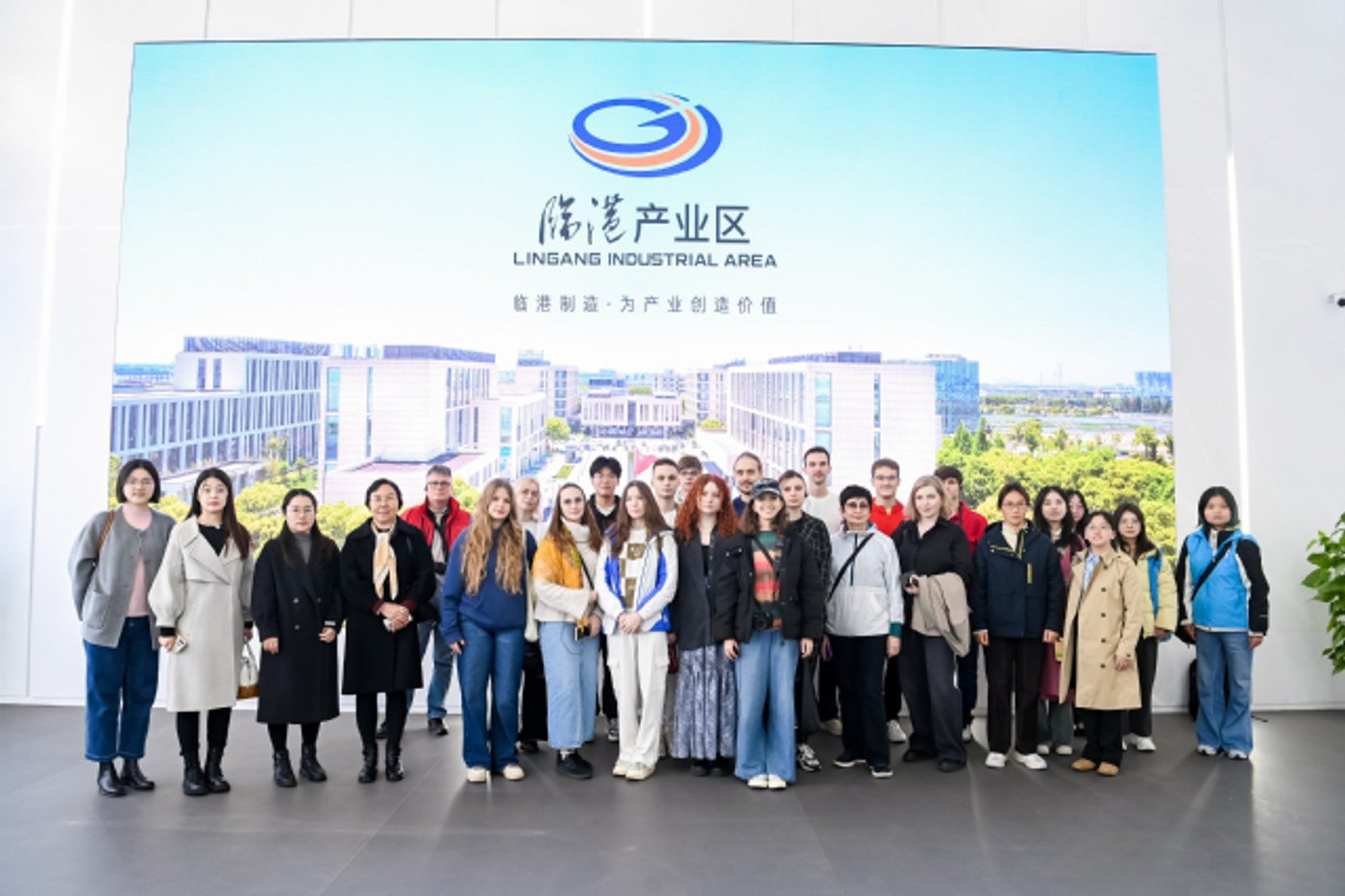
On November 24, participating guests visited Shanghai Lin-gang Special Area Cutting-edging Industrial Exhibition Center and SIASUN Robot Co., gaining firsthand experience of the vibrant practices of digital transformation in Shanghai’s manufacturing sector.
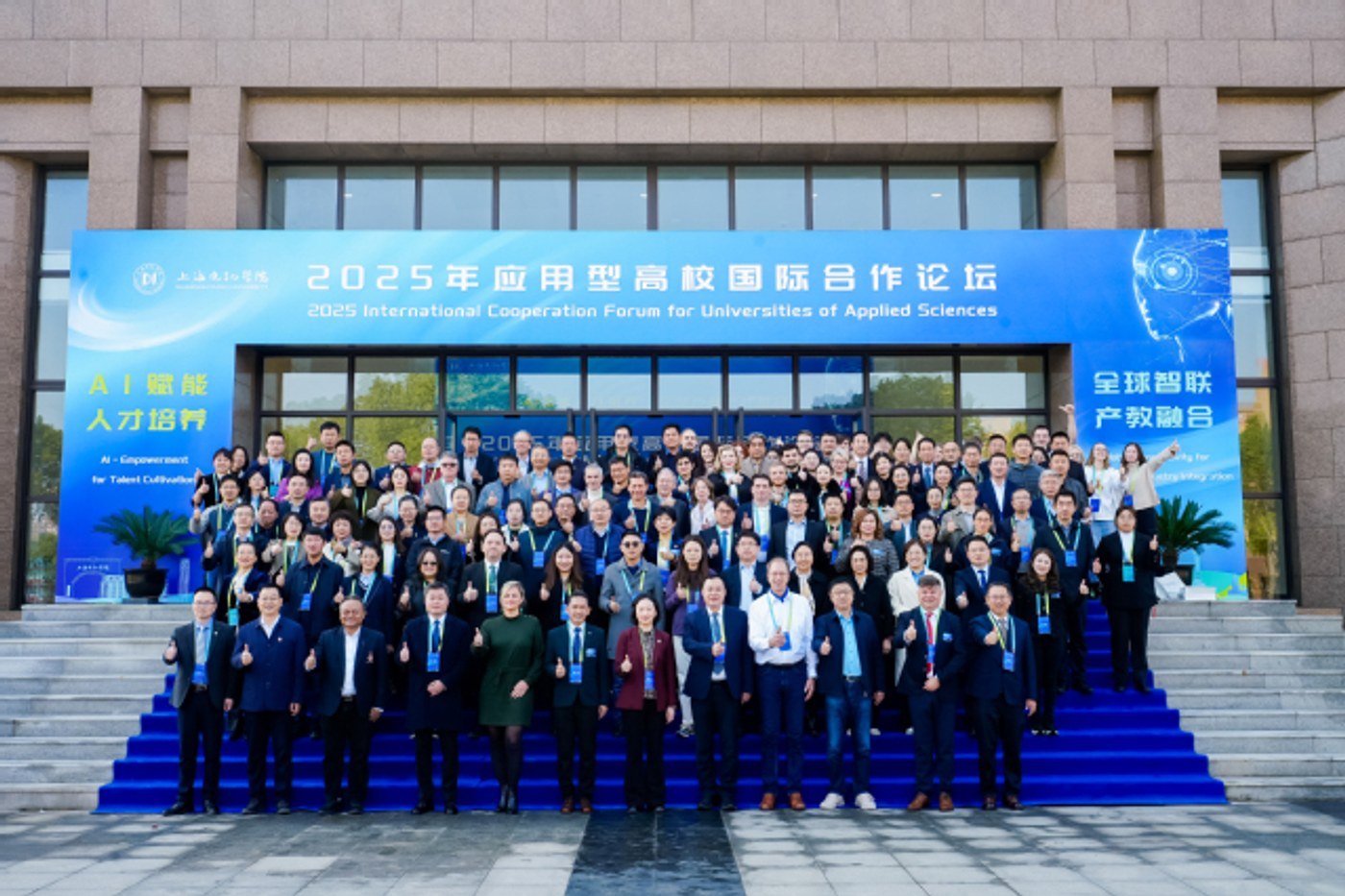
The forum not only provided a platform for intellectual exchange, experience sharing, and in-depth cooperation, but also represented a valuable exploration of new models for international collaboration among applied universities featuring deep IEI and AI-driven development amid the global AI wave. In recent years, SDJU has adopted “developing through global engagement” as a key strategy. Through international cooperation, SDJU has drawn on the educational models of German universities of applied sciences, precisely aligned its programs with regional key industries, advanced curriculum development and teaching model innovation, and cultivated a group of outstanding field engineers with global perspectives and cross-cultural communication capabilities. While continuously expanding overseas programs for students and international professional development opportunities for faculty members, SDJU has placed greater emphasis on jointly establishing high-level research platforms with overseas partners. At present, SDJU has joined hands with five European universities to establish the China-Europe Joint Laboratory for New Energy, and has successfully become a member of the CI-LAM (China-Italy Lab for Advanced Manufacturing), the only national-level joint laboratory in the field of China-Italy advanced manufacturing cooperation. The establishment of these platforms marks the extension of our university’s internationalization efforts from student exchanges and faculty development to deeper scientific research collaboration. Looking ahead, SDJU will continue promoting the alignment of Chinese engineering education with international standards and work with enterprises to provide training for employees and frontline technical professionals, offering strong intellectual support and talent resources for Chinese enterprises pursuing global development.