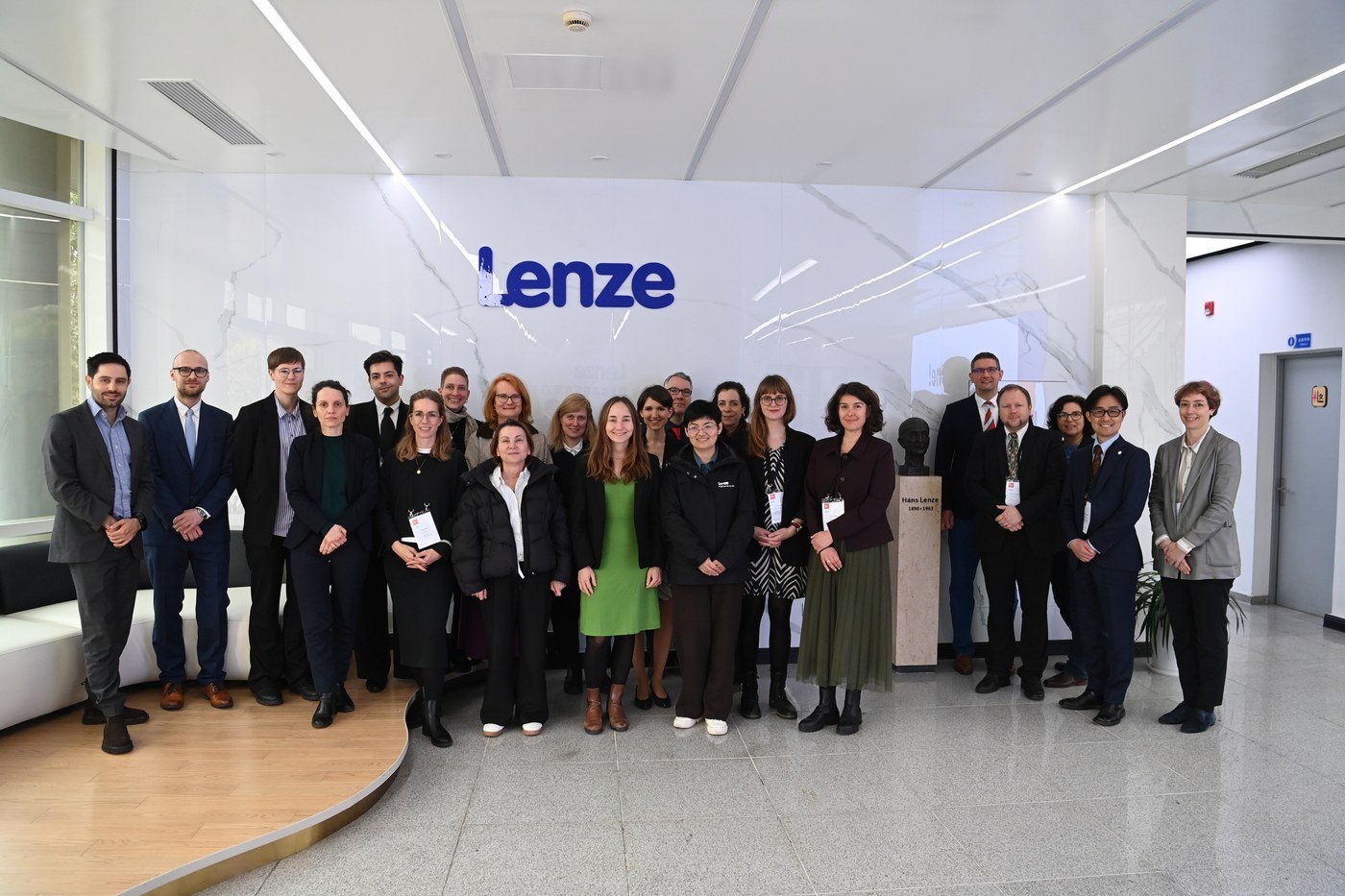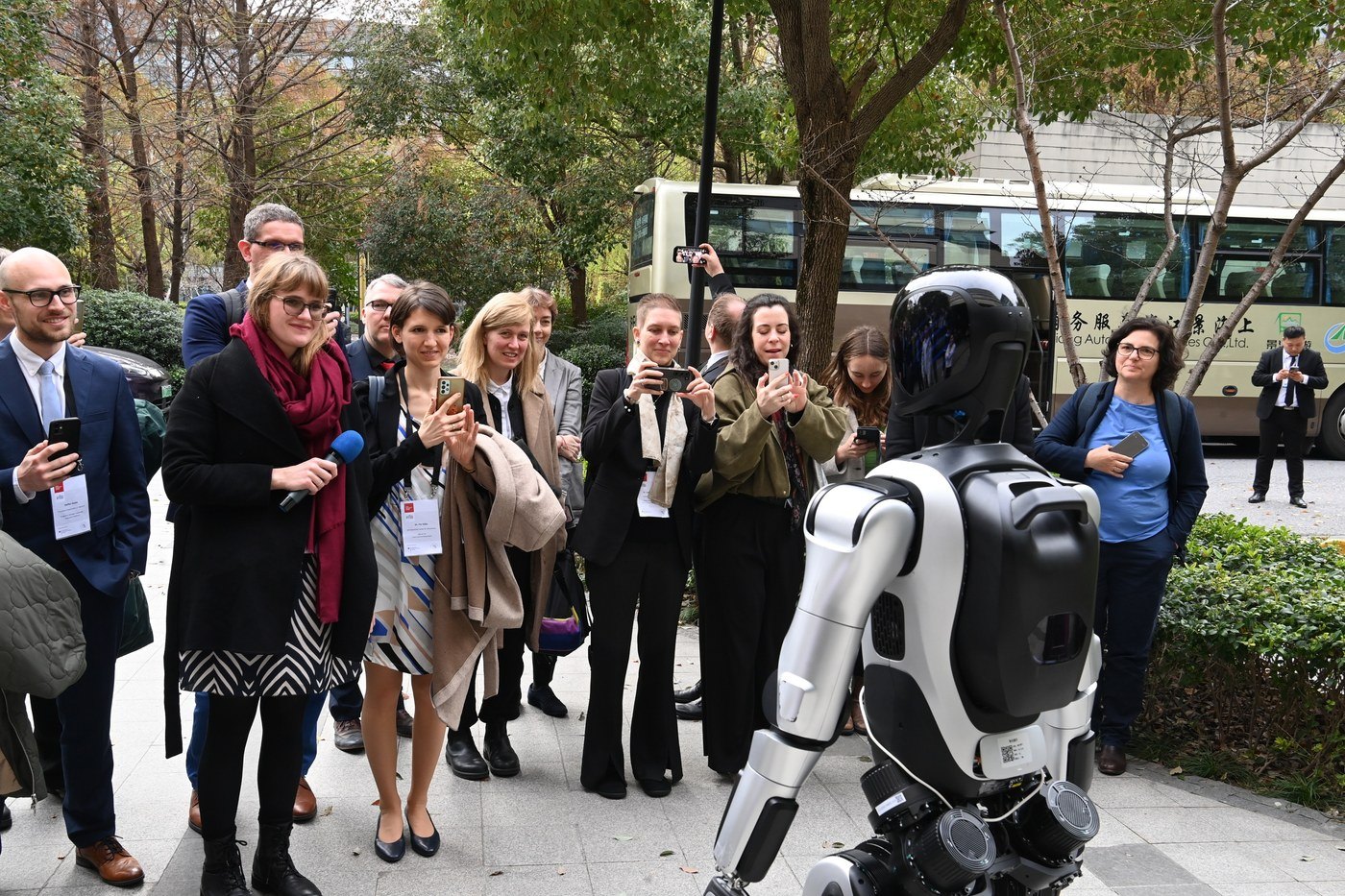

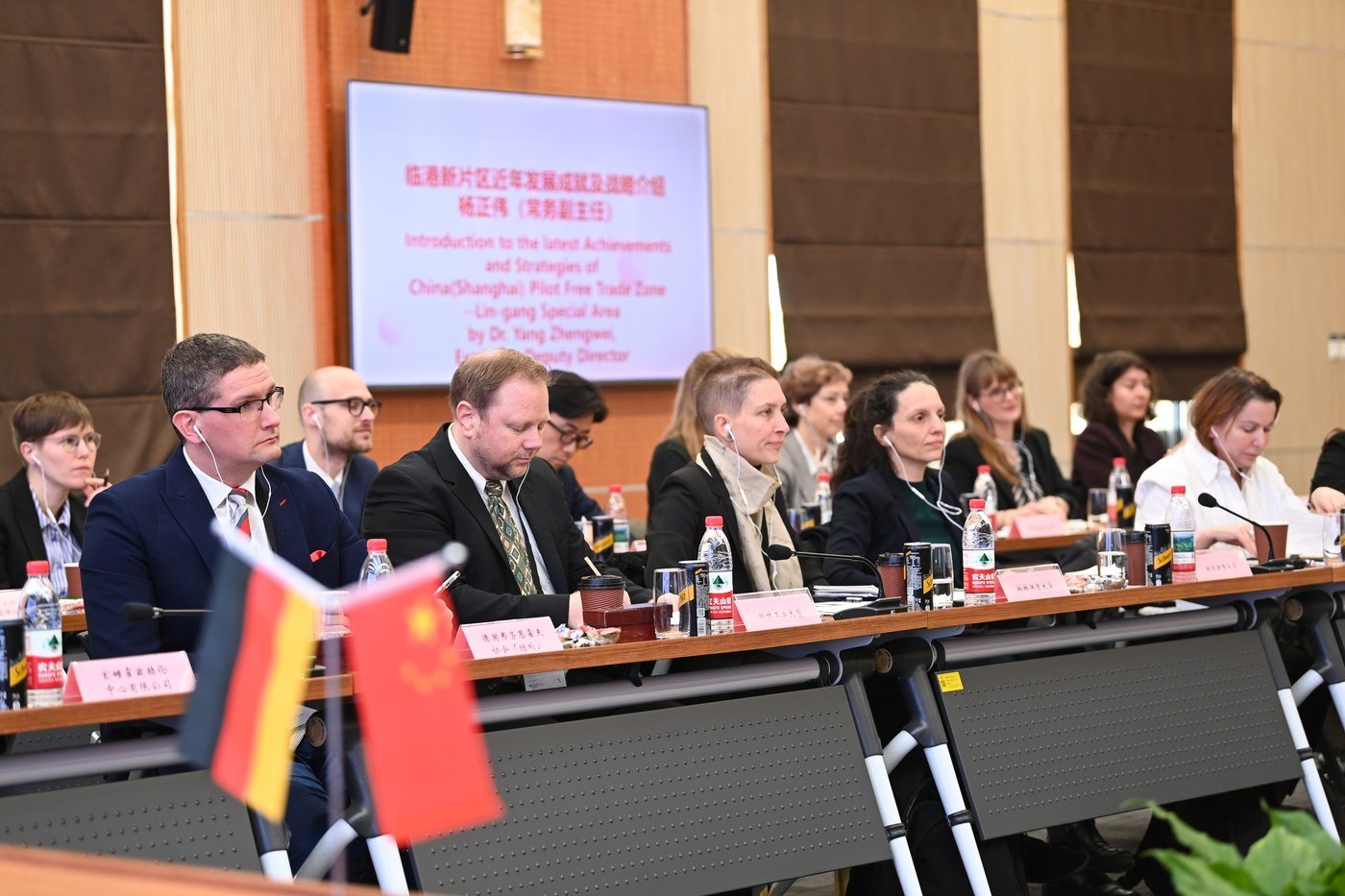
On the morning of March 23, a German CCTC Science Delegation visited our university. A meeting was held in Conference Room 330 of the Administrative Building at Lin-gang Campus to discuss opportunities for further China-Germany cooperation in education and research. Yang Zhengwei, Executive Deputy Director of Lin-gang Special Area Administration (LGSAA), Lu Yu, LGSAA Director of Development and Reform Department (DRD), Wu Yiwen, LGSAA DRD, Gong Siyi, President of SDJU, Wang Hongzhi, SDJU Vice President, as well as heads of relevant administrative offices and schools of SDJU, attended the meeting. The meeting was chaired by President Gong.
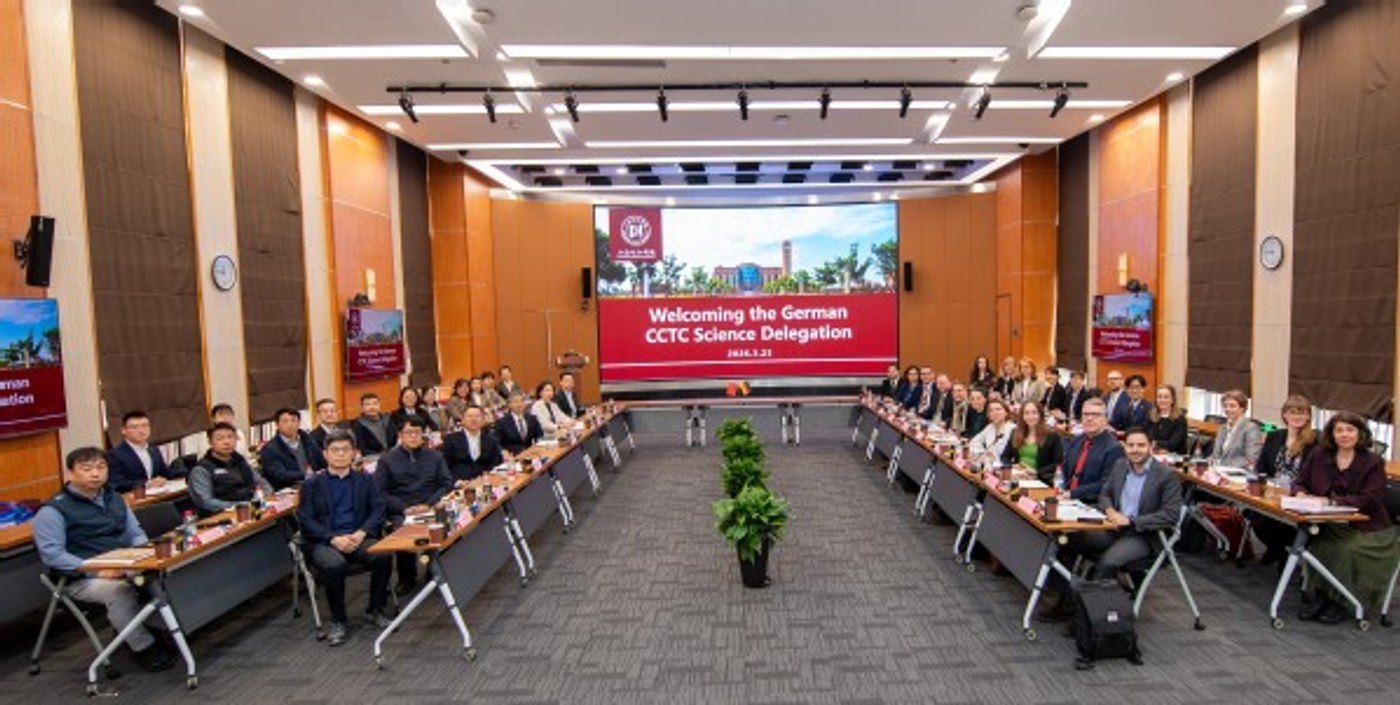
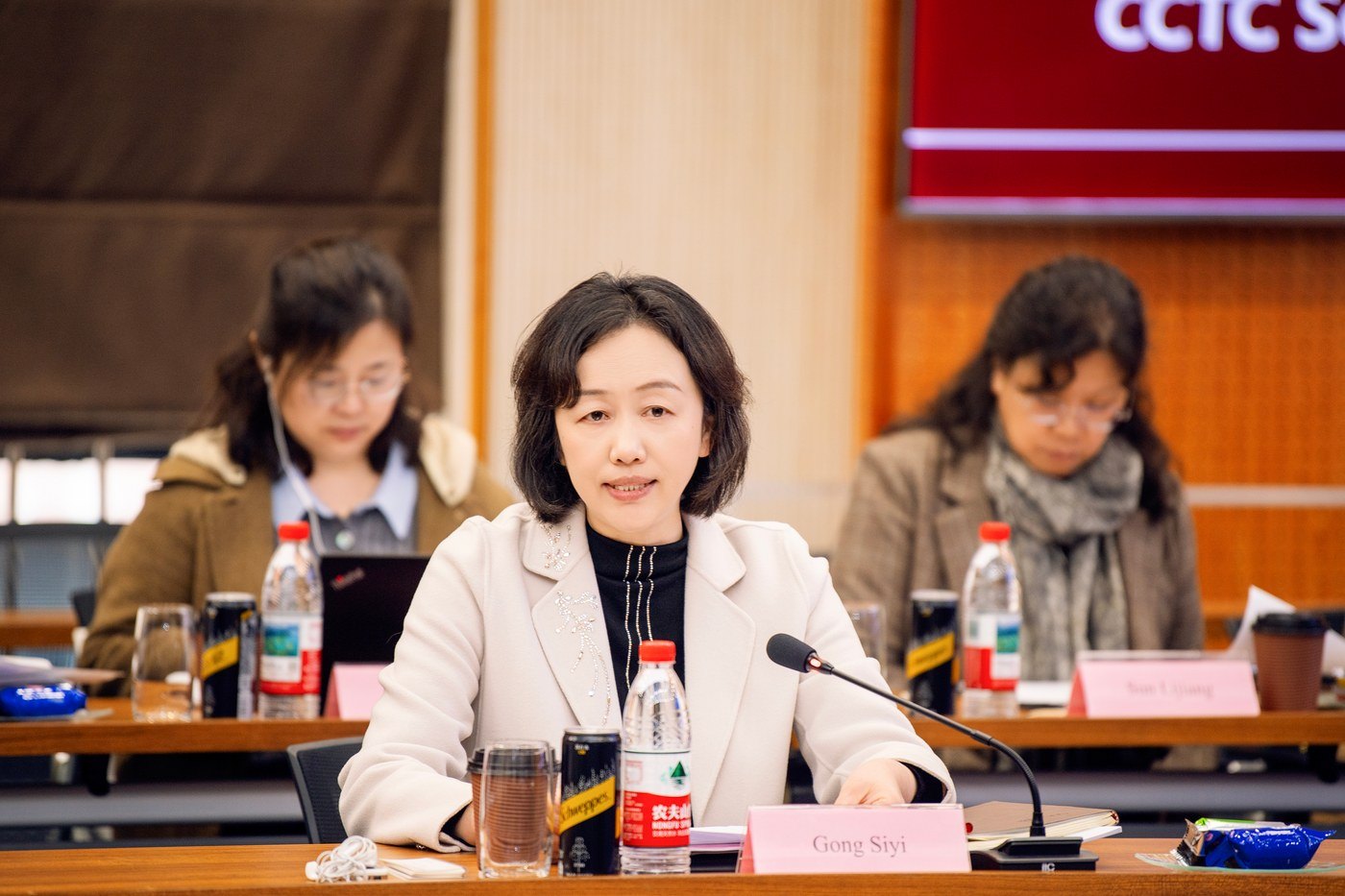
On behalf of SDJU, President Gong extended a warm welcome to the German delegation and expressed sincere appreciation to LGSAA for its strong support for the event. In her remarks, she noted that the visit was an important stop of a high-level tour program supported by CCTC Center of Humboldt University of Berlin (HUB) and Federal Ministry of Research, Technology and Space (BMFTR). Bringing together representatives from leading German universities, research institutions, enterprises, and government sectors, the delegation provided a valuable platform for in-depth exchanges. President Gong highlighted that SDJU has been deeply engaged in China-Germany cooperation for two decades. By drawing on Germany’s experience in higher education and with the support of LGSAA, our university has developed an international education model that integrates Sino-foreign cooperative education with industry-education Integration (IEI). Looking ahead, SDJU will leverage the development advantages of the Lin-gang Special Area, focus on research into key core technologies in intelligent manufacturing, and cultivate engineering professionals with a global vision and an understanding of international standards and practices. SDJU aims to build itself into a demonstration hub for China-Germany cooperation in education in Lin-gang and looks forward to further expanding cooperation with German partners in science, technology, education, culture, and other fields.
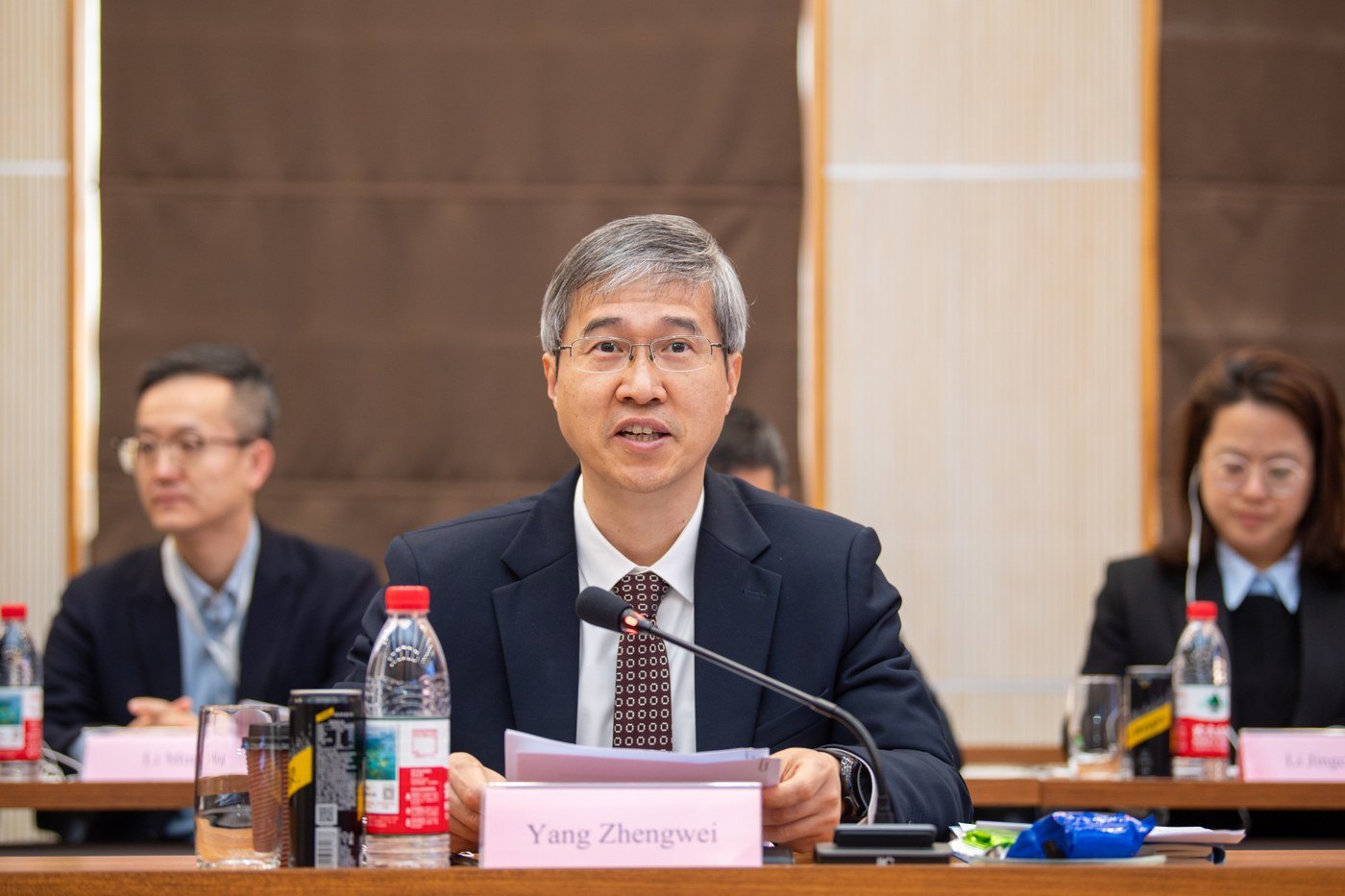
During the exchange session, Yang Zhengwei, LGSAA Executive Deputy Director, introduced the development of Lin-gang Special Area. He noted that the Area was planned by German designers and features a highly open institutional environment aligned with international standards. It has taken the lead nationwide in areas such as customs clearance and offshore services, while also introducing convenient policies on talent visas and residence permits. Focusing on four major high-end manufacturing industries, including integrated circuits and civil aviation, Lin-gang is advancing the development of a science and technology innovation city and four specialized innovation communities. Through initiatives such as university-affiliated science parks and innovation consortia, Lin-gang is actively promoting deeper integration of industry, academia, and research, firmly advancing international industrial cooperation.
The Director of SDJU Office of International Exchange and Cooperation introduced our history of cooperation with Germany and international education development. After two decades of dedicated efforts, SDJU has developed distinctive strengths in international education featuring Sino-foreign cooperative education as its core, IEI as a key driver, coordinated faculty development and research collaboration, and the simultaneous advancement of platforms and projects. In recent years, with strong support from LGSAA, SDJU has continued to deepen cooperation with German educational and scientific communities by attracting international faculty, cultivating high-level talent, establishing interdisciplinary research teams, and focusing on research into key core technologies in intelligent manufacturing. SDJU is committed to building a demonstration hub for China-Germany educational cooperation in Lin-gang.
Isabelle Harbrecht, HUB CCTC Project Manager and organizer of this delegation, delivered remarks on behalf of the German side. She stated that the visit was supported by German federal authorities, with the primary goal of deepening practical cooperation between China and Germany in scientific research and innovation. German institutions and Chinese universities and research institutes have maintained decades of exchanges and cooperation, including joint research projects and scholar exchanges. She expressed the hope that the two sides could further expand cooperation in education, science and technology, and industry through diverse approaches such as dual-degree programs, virtual joint teaching, and short-term exchange programs. She thanked LGSAA and SDJU for their thoughtful arrangements and looked forward to establishing closer ties with Chinese partners in scientific research cooperation, talent cultivation, and technology transfer.
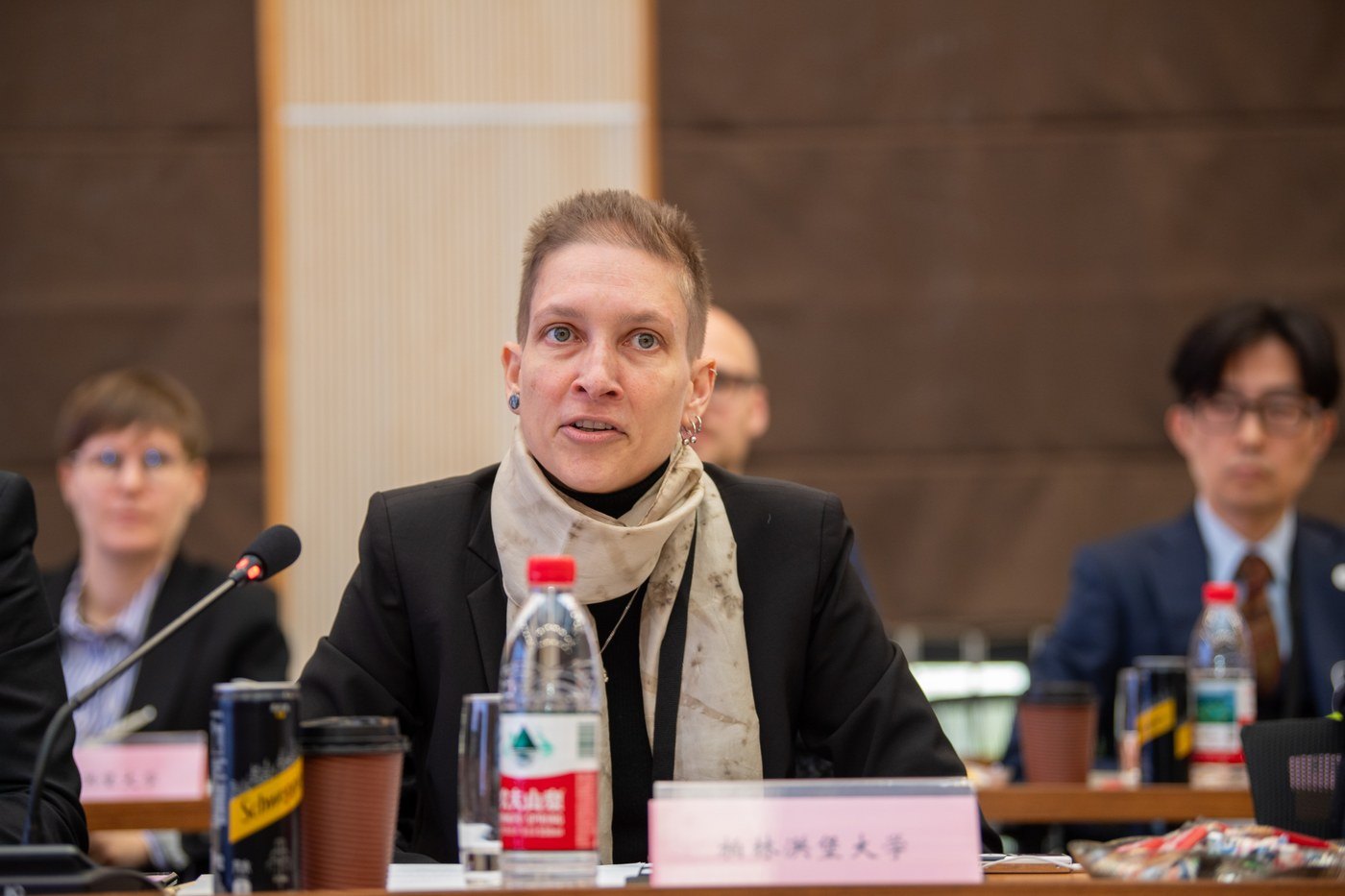
During the Q&A session, participants engaged in in-depth discussions on topics including the development plans of Lin-gang Special Area, SDJU’s practices in China-Germany cooperation, and mechanisms for technology transfer and innovation between China and Germany. Delegation members actively raised questions based on the characteristics and research fields of their respective institutions, exchanging views on industry-academia-research collaboration, commercialization of technological achievements, international cooperation models, and joint talent cultivation. The session featured a lively and constructive atmosphere.
In her concluding remarks, President Gong stated that this visit marked the final stop of the delegation’s China tour and should also serve as a new starting point for future cooperation between the two sides. She expressed the hope that through continued exchanges, the two sides could generate more opportunities for collaboration in technological research, technology transfer, and talent cultivation. SDJU will work to bring the expertise and resources of the German science and education community to Lin-gang and jointly contribute to regional economic development.
Prior to the event, the delegation visited SDJU History Museum and relevant laboratories. On the same day, the delegation also had field visits to the Dishui Lake area, Lenze, and AgiBot, gaining deeper insights into the industrial ecosystem and innovation environment of the Lin-gang Special Area.