
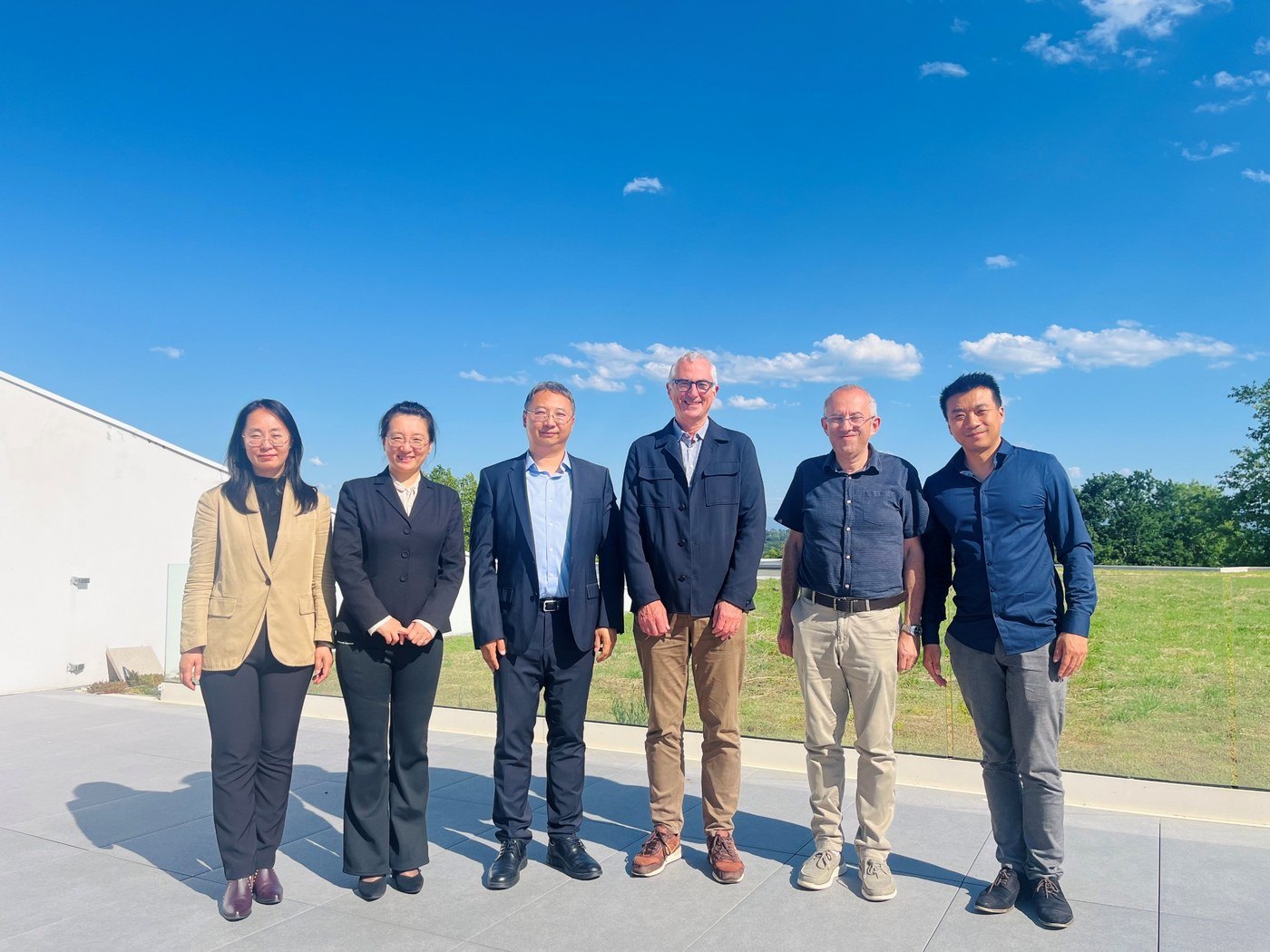
From May 19 to 23, 2026, a SDJU delegation visited the École Supérieure des Technologies Industrielles Avancées (ESTIA) in France for research and exchange on a China-foreign joint program. Focusing on an undergraduate Sino-foreign cooperative program in Measurement and Control Technology and Instruments (MCTI), the visit involved in-depth discussions on talent cultivation, curriculum development, teaching arrangements, research collaboration, and industry–education integration (IEI). The visit further advanced SDJU’s internationalization initiatives and generated new momentum for the implementation of its 15th Five-Year Plan.
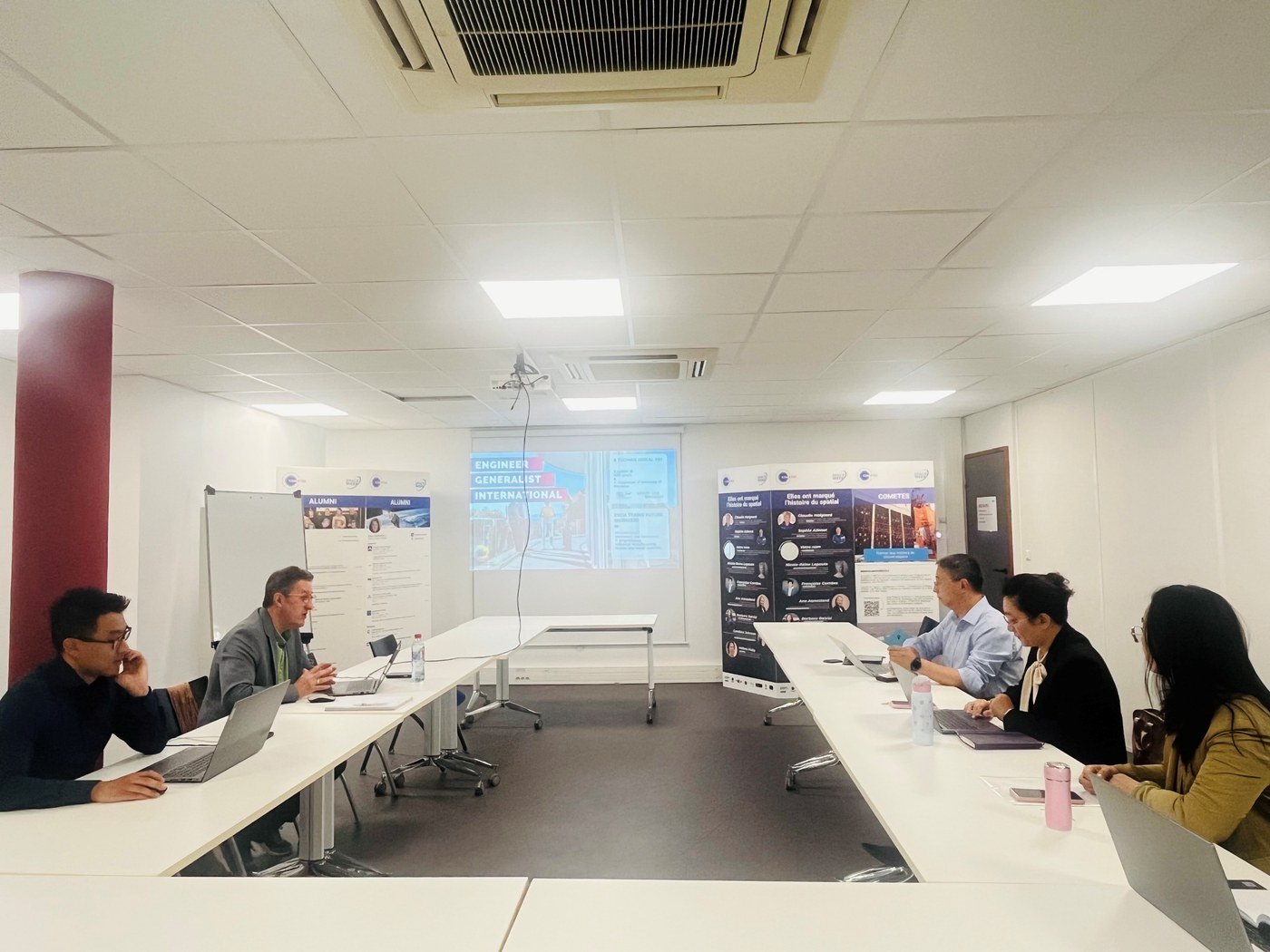
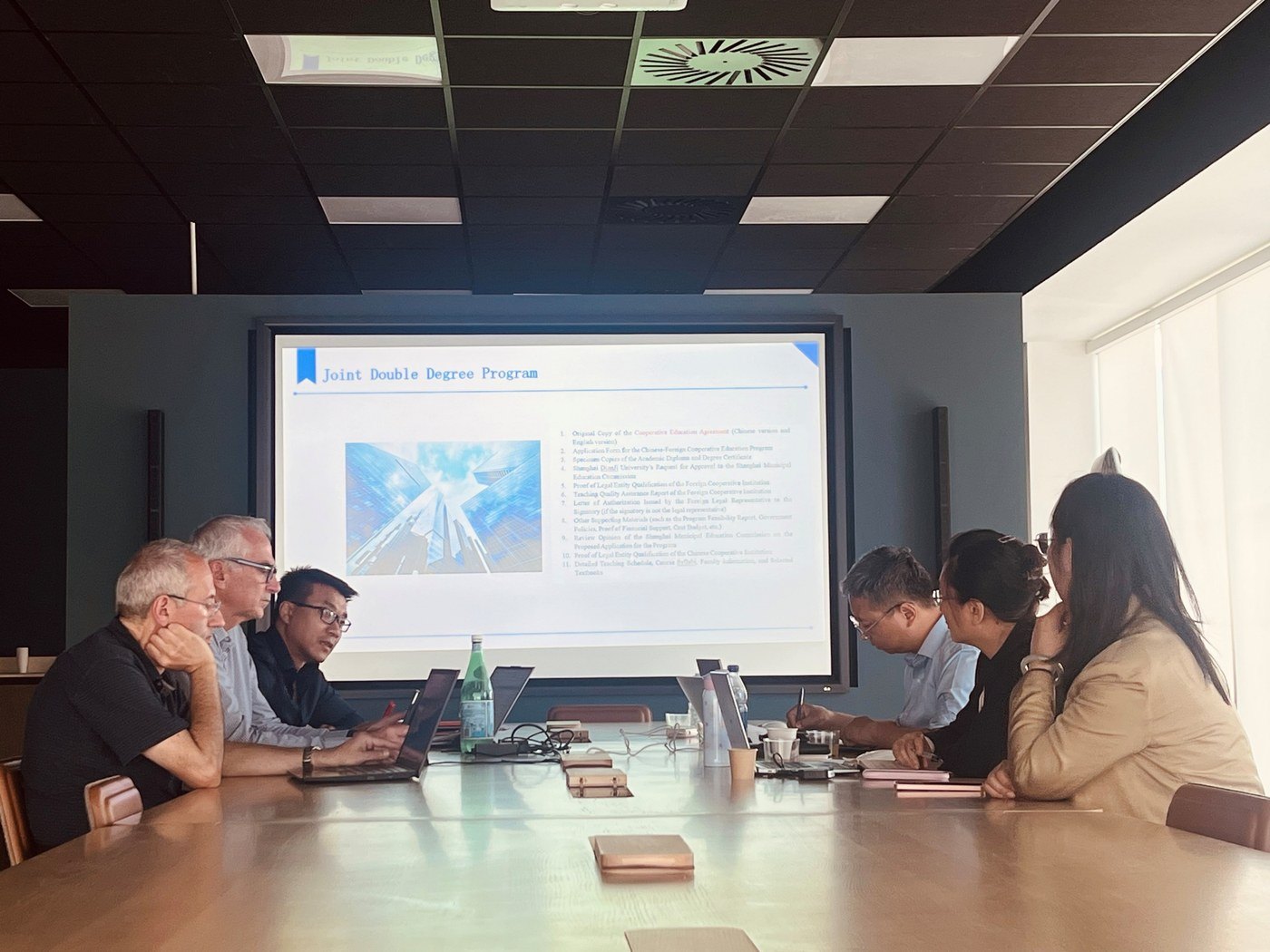
On arrival, the delegation received a warm welcome from ESTIA and held discussions with Managing Director Patxi Elissalde, Secretary-General Tony De Pellegrini, heads of teaching and training, and relevant program coordinators. The two sides engaged in practical exchanges on key aspects of the China-foreign joint program, including training objectives, curriculum alignment, operational mechanisms, and quality assurance. Both sides agreed that SDJU and ESTIA share a strong foundation for cooperation in applied talent cultivation, engineering education reform, and internationalized education. The visit further clarified the pathway for advancing the joint program and laid a solid foundation for its application and subsequent implementation.
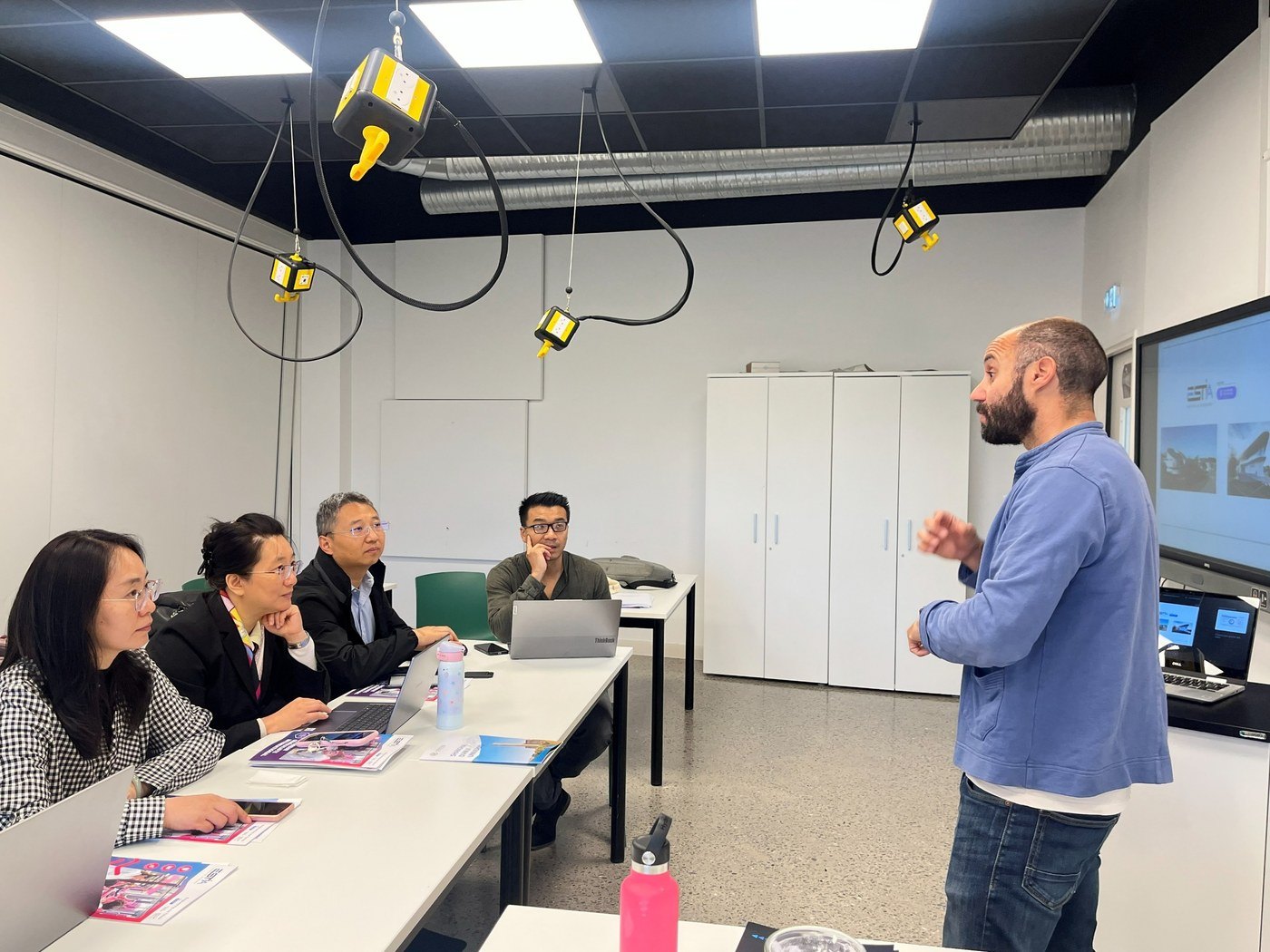
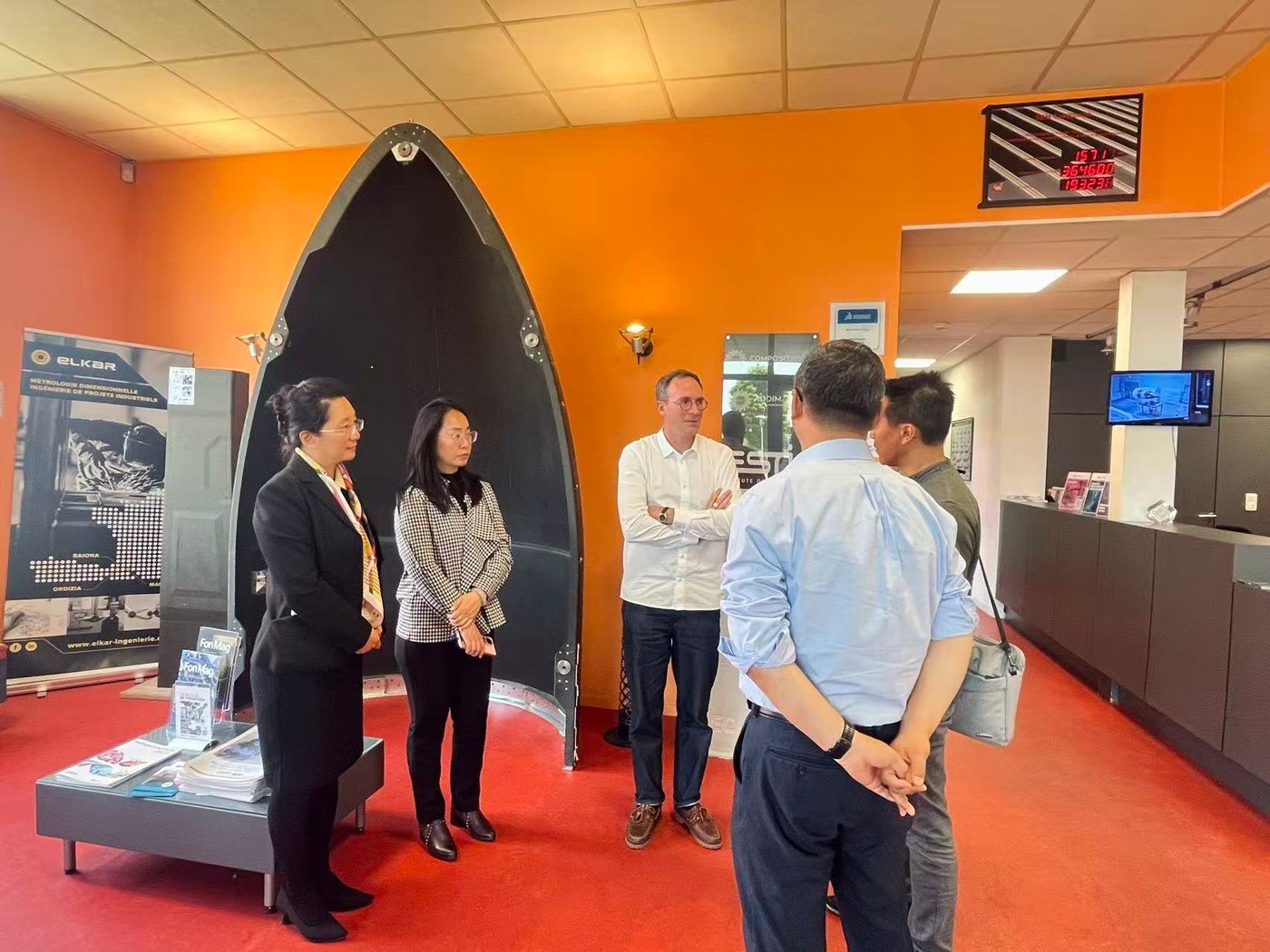
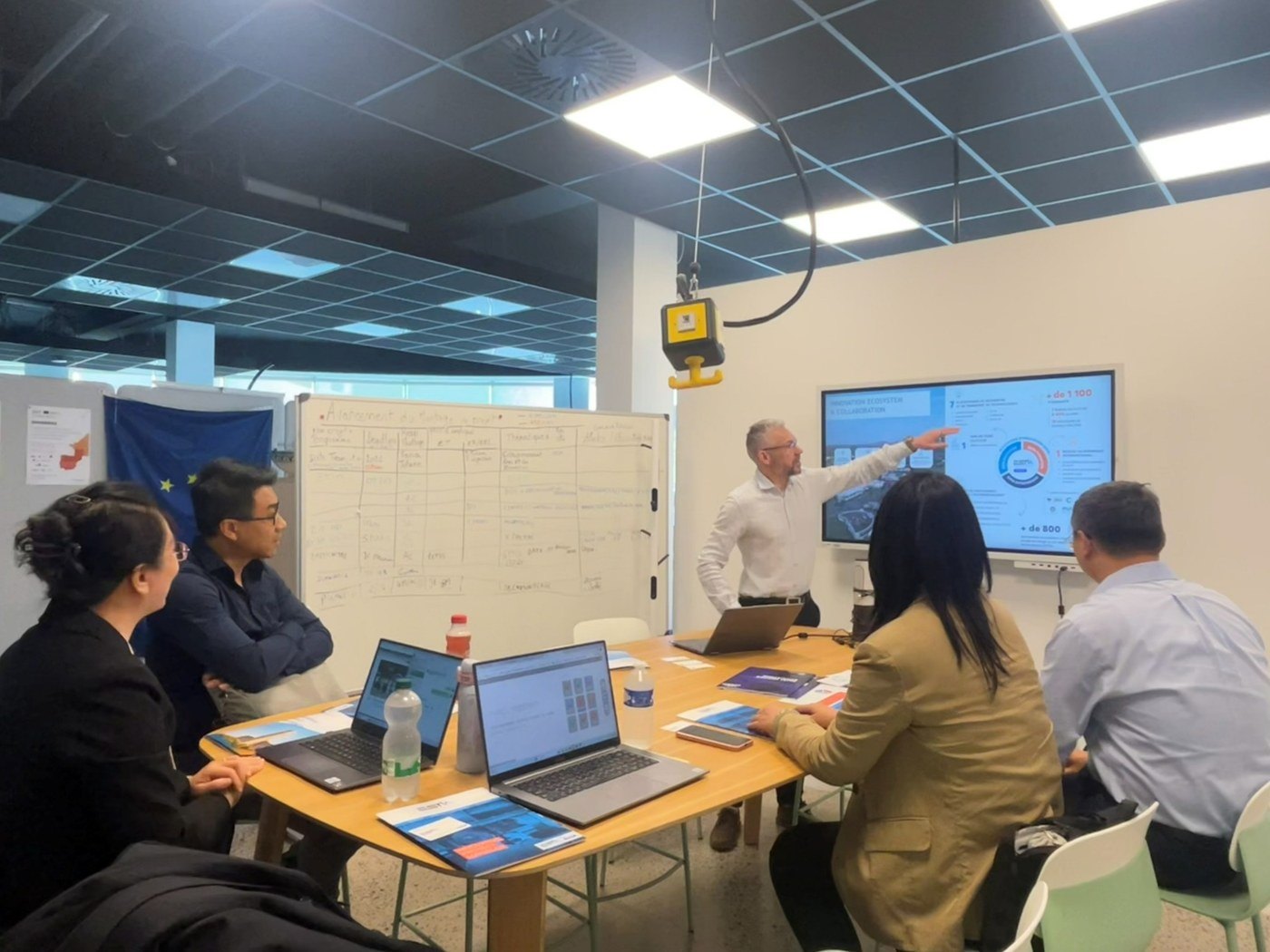
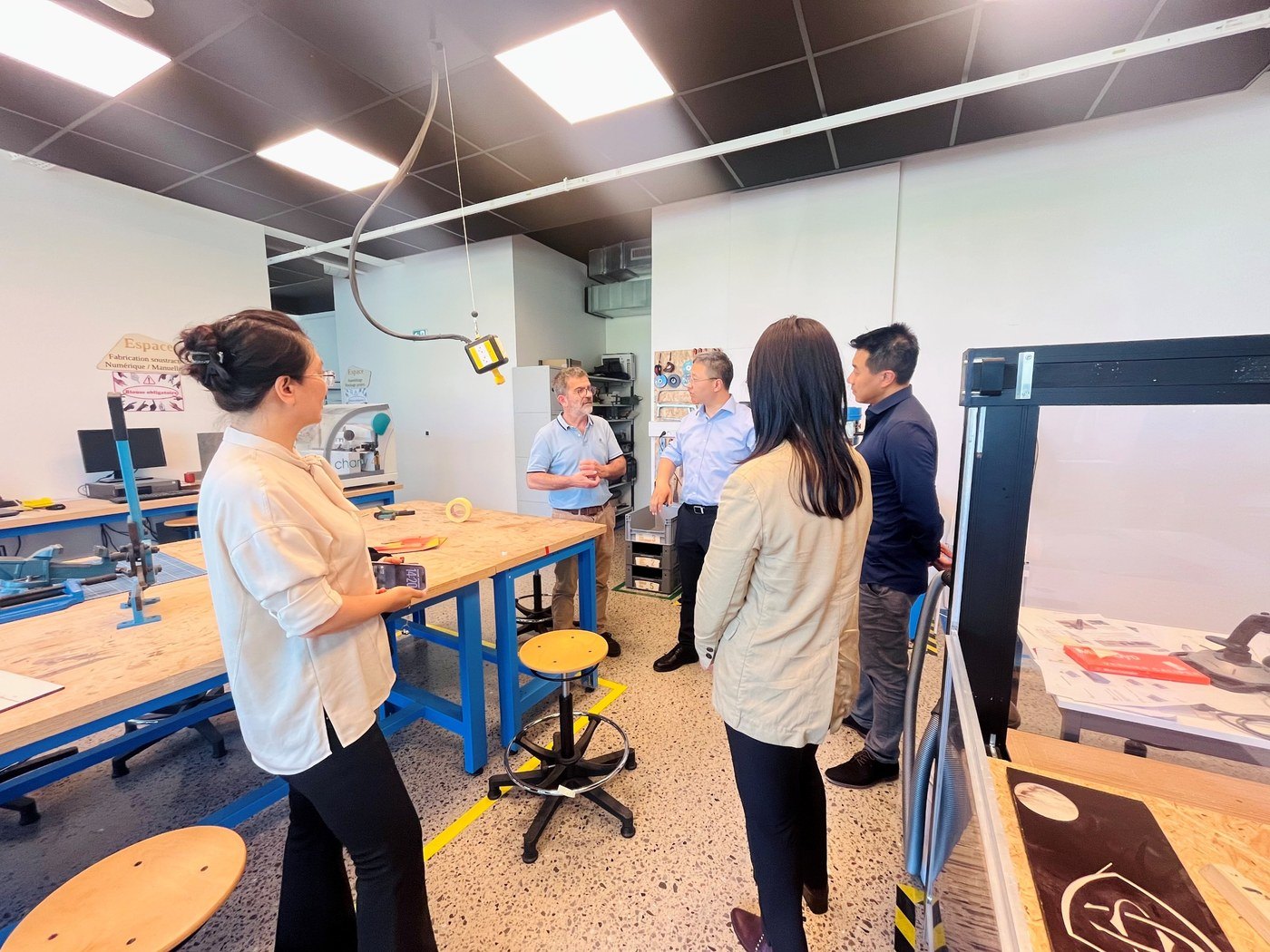
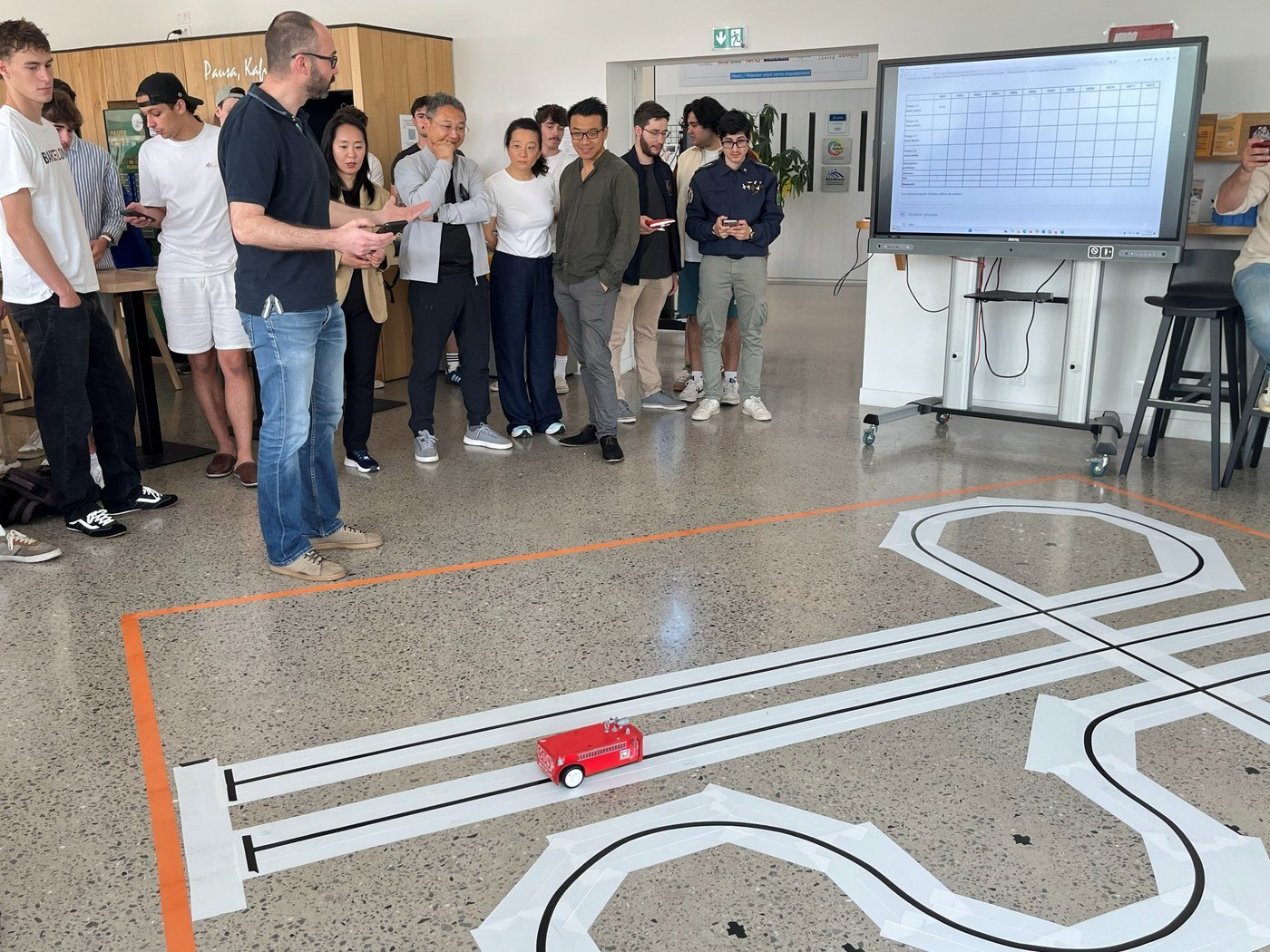
During the visit, the delegation also conducted on-site visit to the Compositadour research and development platform and the Hall Techno teaching platform, and held discussions with ESTIA Tech. The delegation gained a deeper understanding of ESTIA’s operational model for engineering practice education, applied research, and technology transfer based on research platforms and enterprise projects. The two sides exchanged views on research collaboration, platform sharing, and enterprise project cooperation in areas including aerospace composites, intelligent manufacturing, electronic and electrical engineering, and renewable energy automation. They explored the possibility of gradually expanding research cooperation and IEI through joint faculty–student projects, enterprise-based practical training projects, and the commercialization of research outcomes, laying the groundwork for substantive future collaboration.
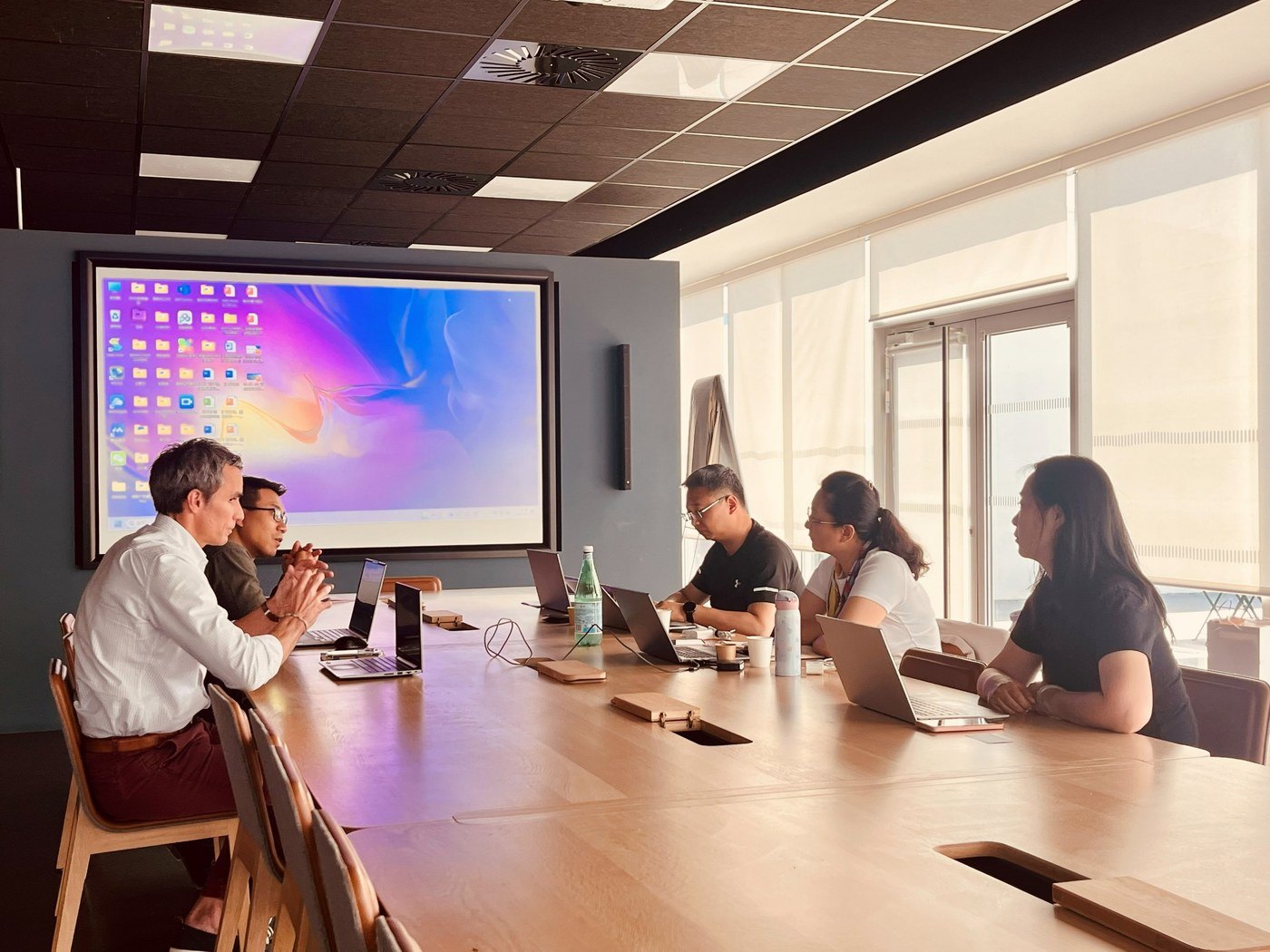
The delegation held specialized discussions with ESTIA on key aspects of the China-foreign joint program of MCTI, including financial arrangements, curriculum design, teaching organization, and administrative affairs. The two sides jointly signed the meeting minutes, formally confirming the key elements related to project application and future implementation. They further clarified cooperation details concerning curriculum and teaching arrangements, graduation project supervision, student enrollment scale, and other areas, completing the preparation of foundational materials for the program application and providing support for the following approval process.
The visit generated fruitful outcomes, not only consolidating the foundation for the China-foreign joint program but also further expanding SDJU’s cooperation opportunities in international engineering education, research collaboration, and IEI. Moving forward, SDJU will build on the outcomes of this visit to accelerate program application and continue deepening practical cooperation with ESTIA in areas including talent cultivation, faculty exchanges, research collaboration, and international engagement. Our university will promote the integration of high-quality international resources with its own educational strengths, providing strong support for cultivating high-quality applied professionals with global perspectives, engineering practice capabilities, and innovative spirit. These efforts will inject new international momentum into SDJU’s high-quality development during the 15th Five-Year Plan period.