
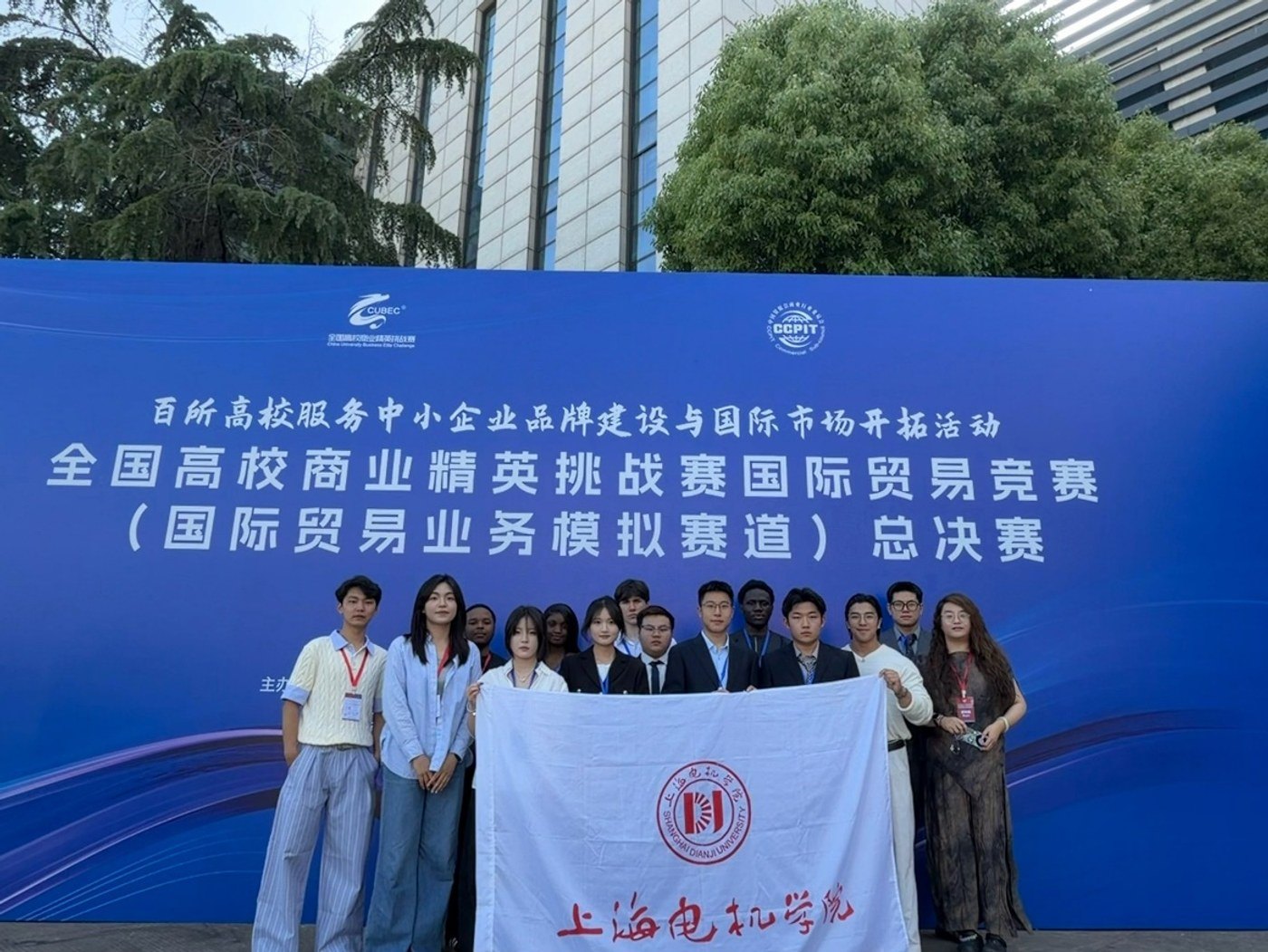
From May 23 to 24, 2026, the Finals of the China University Business Elite Challenge (CUBEC) International Trade Competition (Business Simulation Track) were successfully held at Hall 7 of Ningbo International Conference & Exhibition Center. As a major branded event aims at empowering small and medium-sized enterprises (SMEs) in brand upgrading and supporting their development into international markets, the competition featured high authority, extensive participation, and strong practical relevance. It provides business students nationwide with a high-level platform for learning through competition, applying knowledge through practice, and enhancing capabilities through participation.
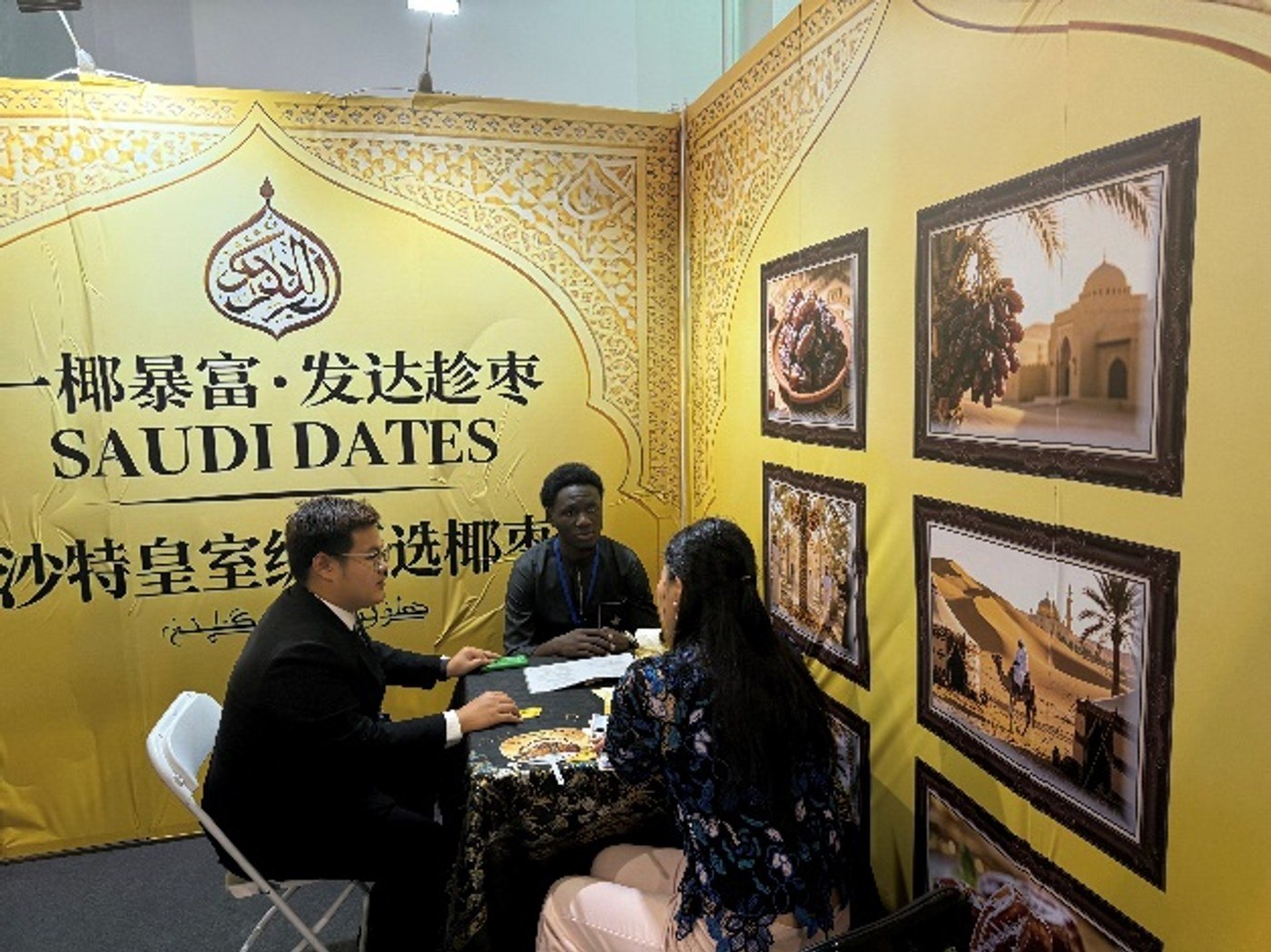
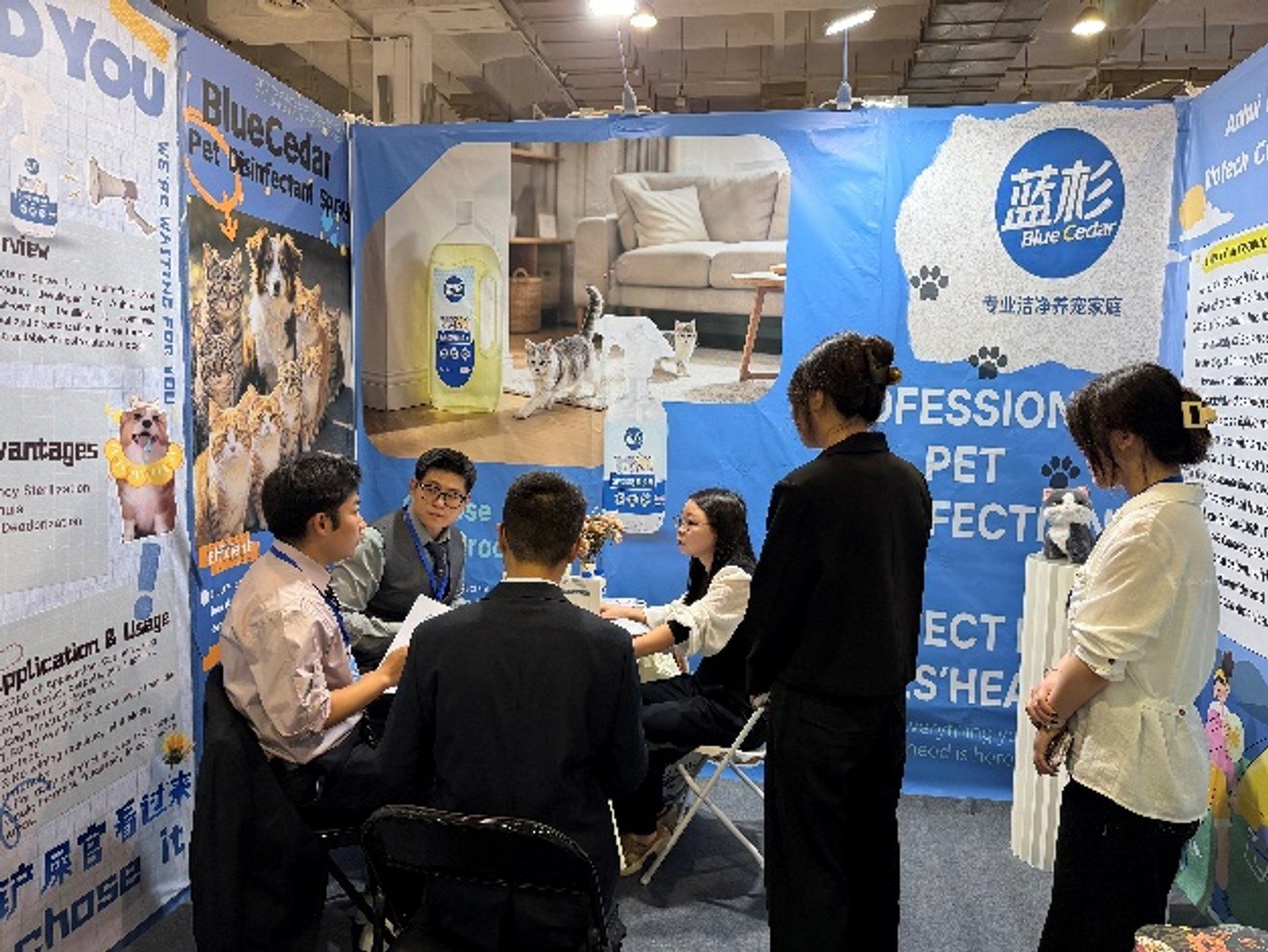
The competition this year innovatively integrated real-world international trade scenarios and was conducted based on authentic exhibition settings, including the 2026 China (Ningbo) International Sourcing Fair and the China (Ningbo) Brand Expo. It fully replicated the entire process of overseas exhibitions and cross-border trade operations for SMEs. All participating teams took part in the contest as SMEs, focusing on a wide range of major export product categories, including daily consumer goods, food products, toys, textiles and apparel, handicrafts, and electronic products. They developed tailored brand marketing plans and overseas market promotion strategies for foreign trade SMEs. The competition assessment closely aligned with industry practices and covered four core modules: preparation of exhibition plans, creative design of booth posters and product displays, new product launch events, and business matching and trade negotiations. Through these modules, the competition comprehensively evaluated students’ professional knowledge, practical skills, innovative thinking, and business communication abilities.
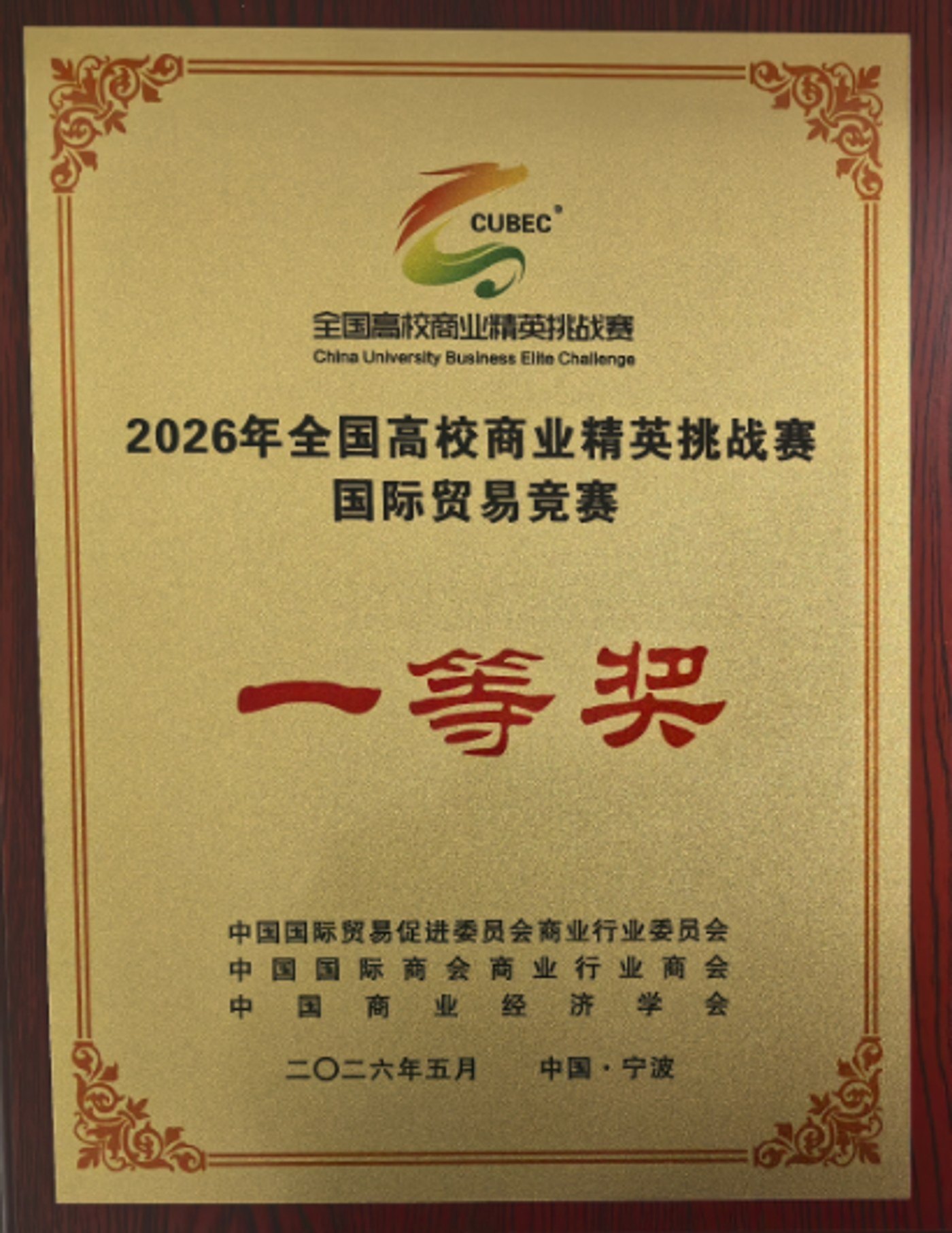
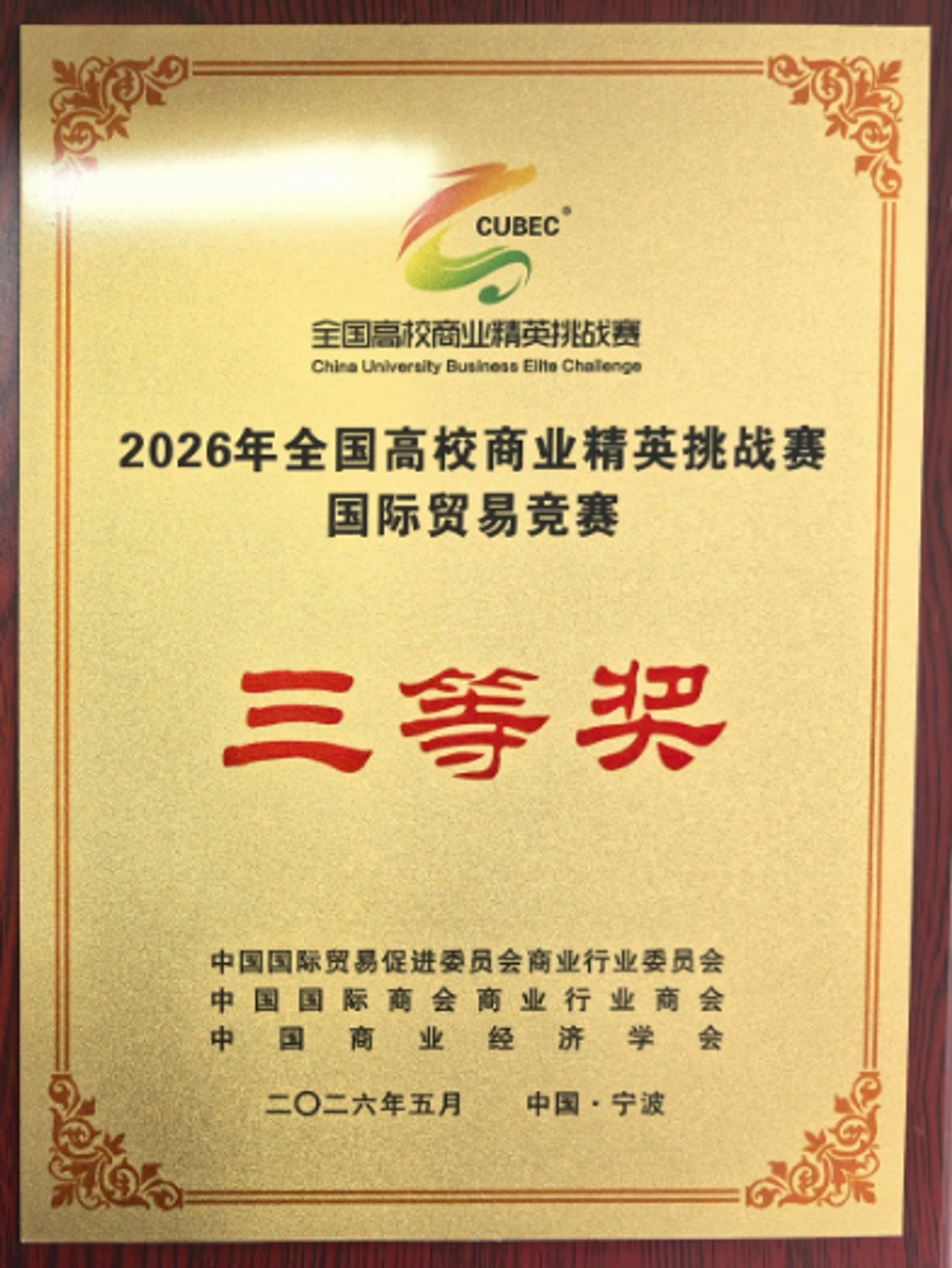
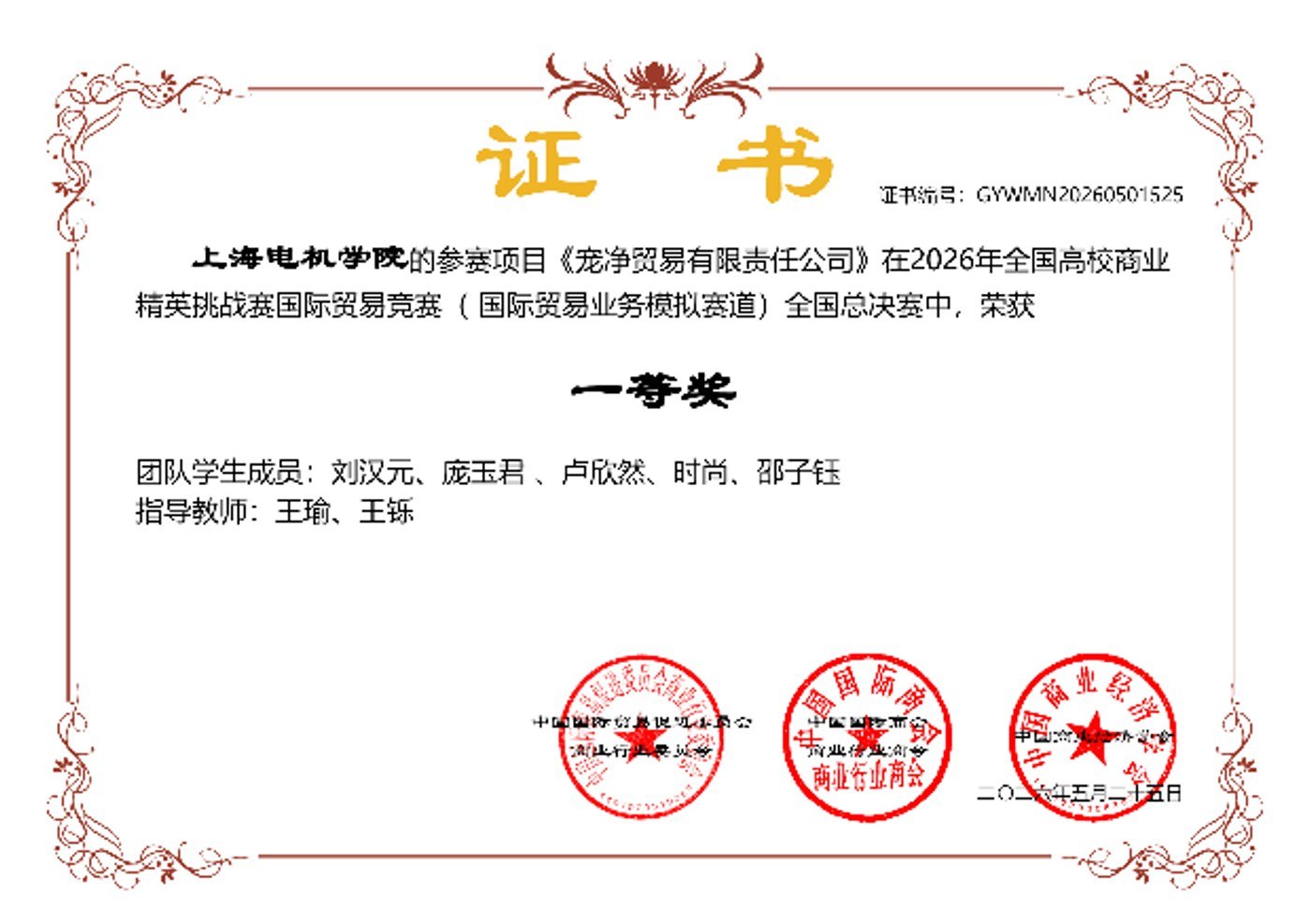
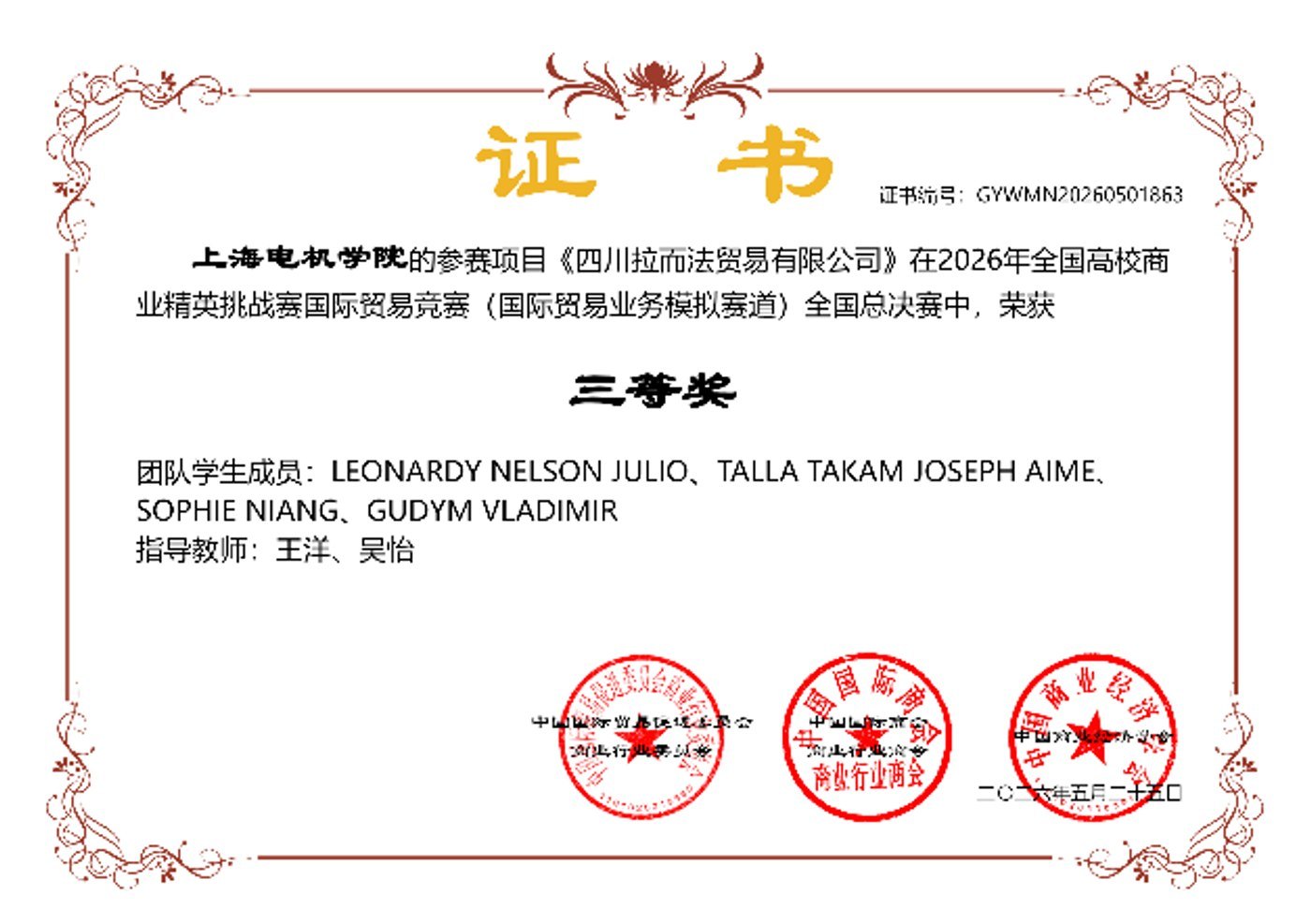
In this prestigious competition featuring top universities nationwide, SDJU Business School and International Education School (IES) joined forces. Drawing on their high-quality faculty, professional teaching resources, and strengths in international education, the two schools jointly established and provided dedicated guidance to the two competition teams. Throughout the entire process, the instructors offered targeted support, refined competition strategies, and guided students in exploring every detail of the competition, enhancing practical skills, and simulating real-world business scenarios. The two teams lived up to expectations and stood out from more than 1,000 participating teams nationwide, winning First Prize and Third Prize in the Finals, respectively, with their solid professional knowledge, innovative planning approaches, polished on-site presentations, and composed negotiation performances.
The outstanding achievements in this competition represent a vivid example of the collaborative efforts and deep IEI between Business School and IES. They also demonstrate our university’s distinctive technology-oriented and application-driven educational philosophy. For years, SDJU has been committed to cultivating applied talents and has innovatively implemented a distinctive university–industry cooperation model featuring “practical teaching + industry project.” By breaking down disciplinary boundaries and integrating the business expertise of Business School with the international resources of IES, our university leverages the strategic location of the Lin-gang Special Area as a hub for opening-up, incorporating the latest demands of the international trade sector and authentic enterprise business scenarios into daily teaching and practical training.
Looking ahead, Business School and IES will continue to deepen integrated education models featuring IEI, competition–teaching integration, and the convergence of science and education. They will further strengthen collaborative education mechanisms, closely align talent cultivation with the development needs of international trade, cross-border e-commerce, and smart manufacturing-based foreign trade, and focus on cultivating a new generation of interdisciplinary, innovative, and application-oriented business professionals. These students will be equipped with expertise in international trade rules, familiarity with overseas markets, and knowledge of smart manufacturing technologies, providing the foreign trade sector with high-caliber professionals who understand technology, excel in business operations, and drive innovation to support enterprise high-quality development, international transformation and upgrading.