
From June 7 to 13, SDJU Vice President Wang Hongzhi led a delegation on an official visit to universities in Germany and Switzerland. Focusing on advancing China-foreign cooperative education programs and expanding industry-education integration (IEI) platforms, the delegation engaged in in-depth discussions with several universities and two overseas institutions on key areas including talent cultivation, AI curriculum development, joint research collaboration, and IEI. The visit resulted in a series of important cooperation agreements and strengthened the foundation for SDJU’s international development, generating new momentum for the implementation of our university’s 15th Five-Year Plan.
Deepening cooperation with German universities, building new mechanisms for joint training and curriculum development
During the visit to Berlin, the delegation first went to Humboldt University of Berlin (HU Berlin), meeting with Professor Niels Pinkwart, Vice President for Academic Affairs, and other HU Berlin representatives. The two sides explored cooperation opportunities in AI joint education programs. They initially proposed establishing international AI courses in Shanghai featuring mixed class with Chinese and German students and enterprises visits, with the German side providing ECTS credits. The two sides also reached consensus on cooperation in international Chinese language education, student exchange and internships, and faculty exchange. SDJU invited HU Berlin professors to participate in China-Germany Industry-Education Integration Forum, and both sides agreed to keep visits between the two universities. In addition, the delegation reached a preliminary cooperation intention with Humboldt-Innovation GmbH to jointly provide incubation guidance and cross-cultural entrepreneurship training for start-up enterprises.
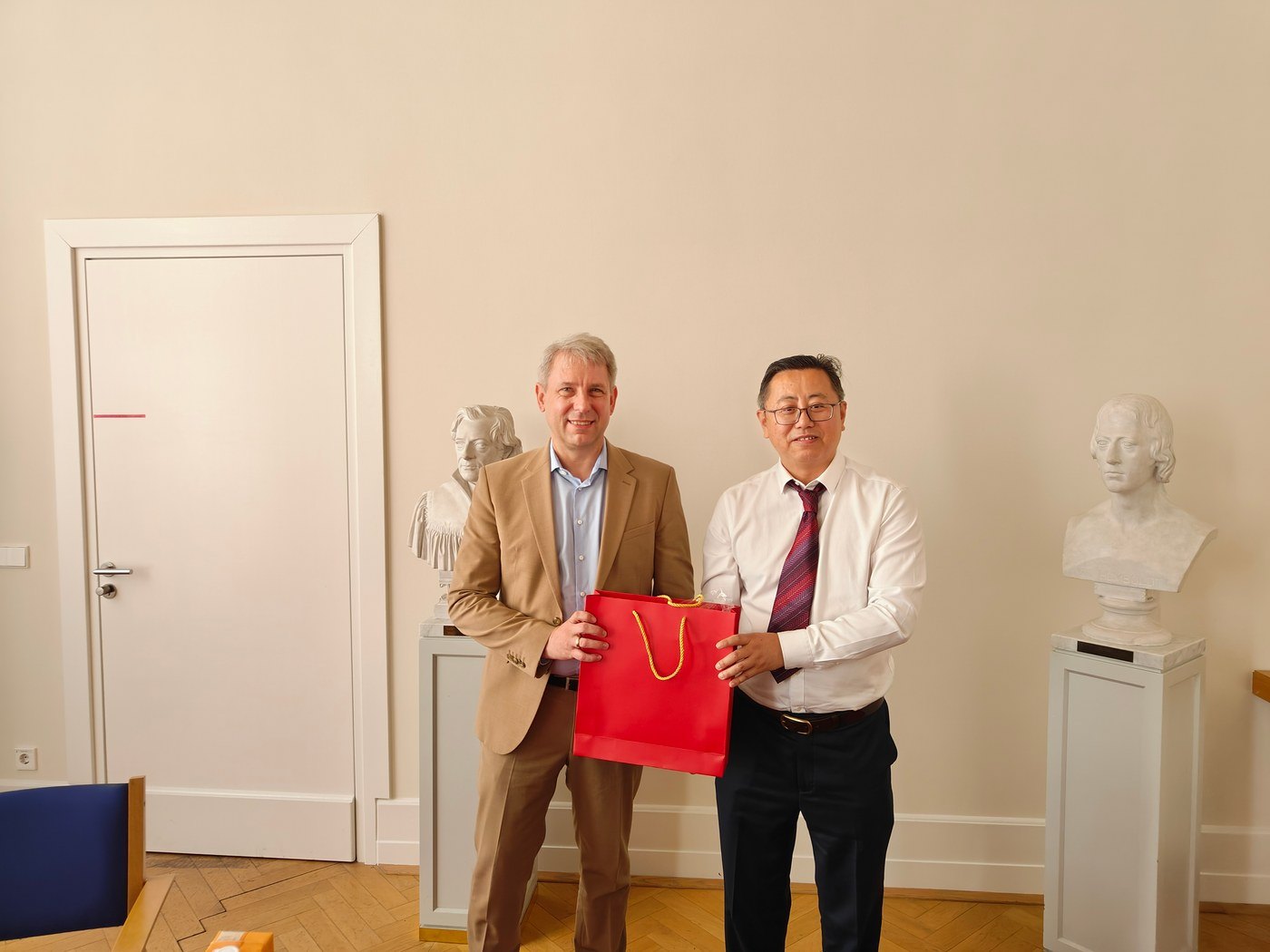
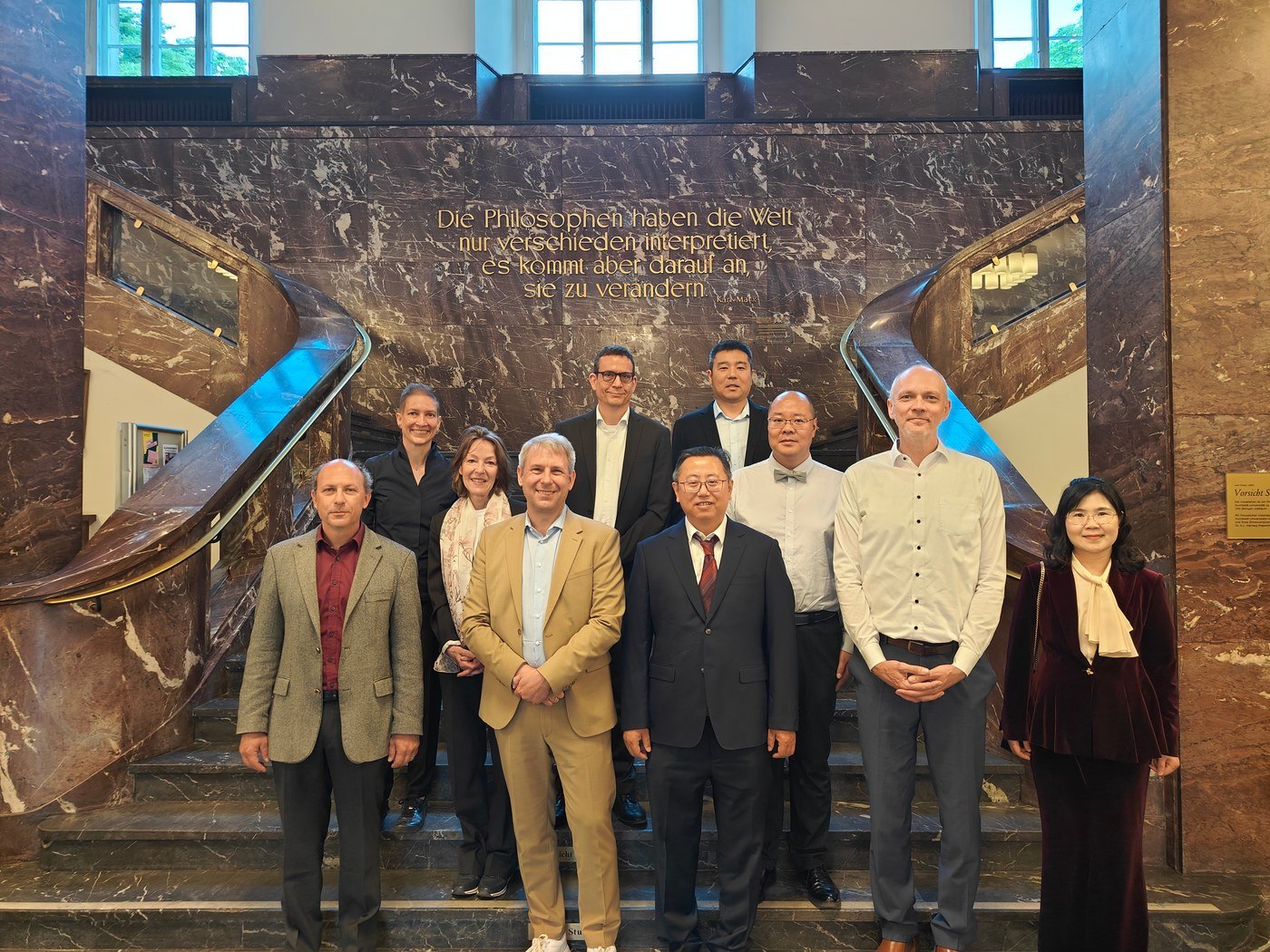
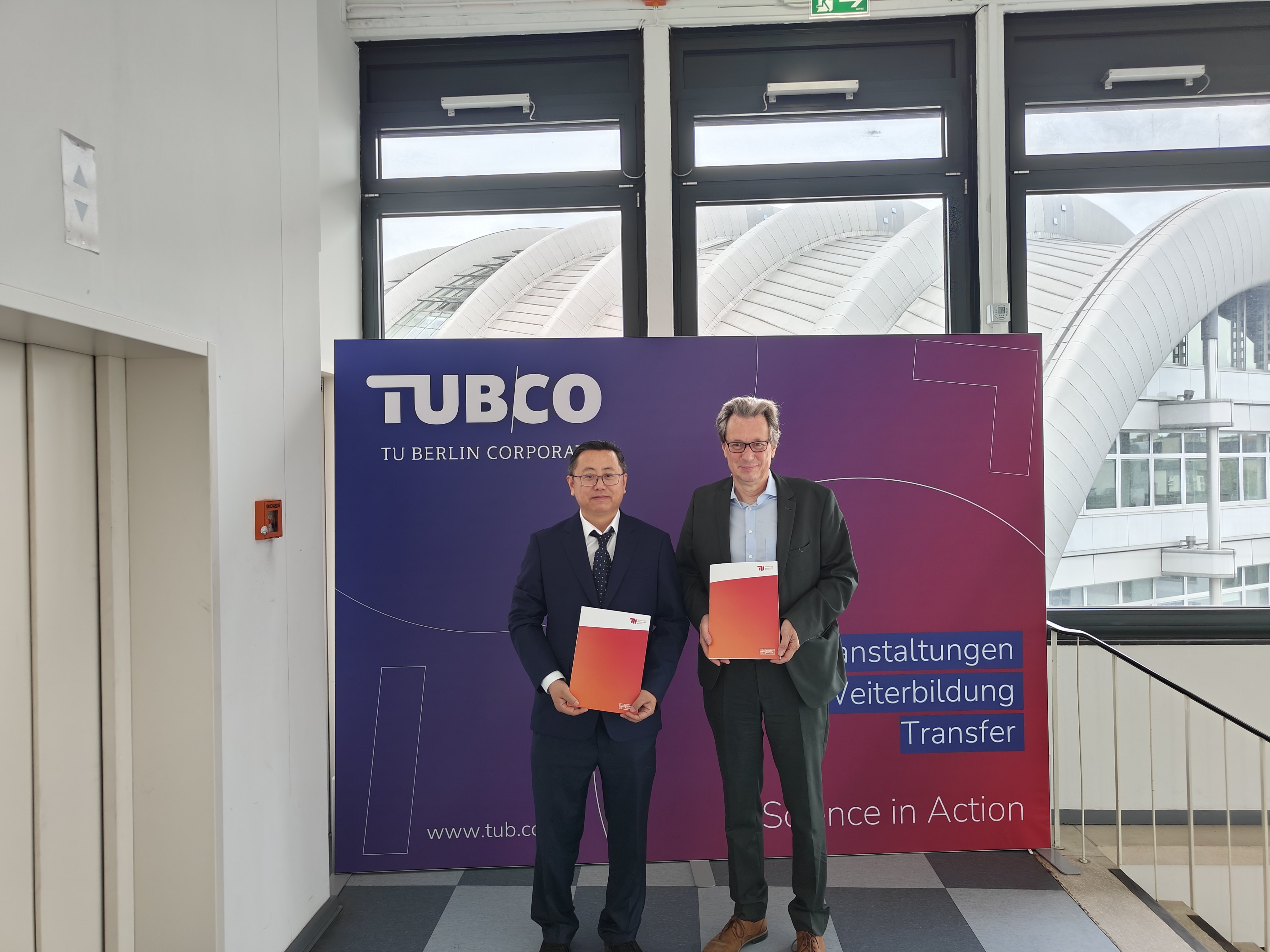
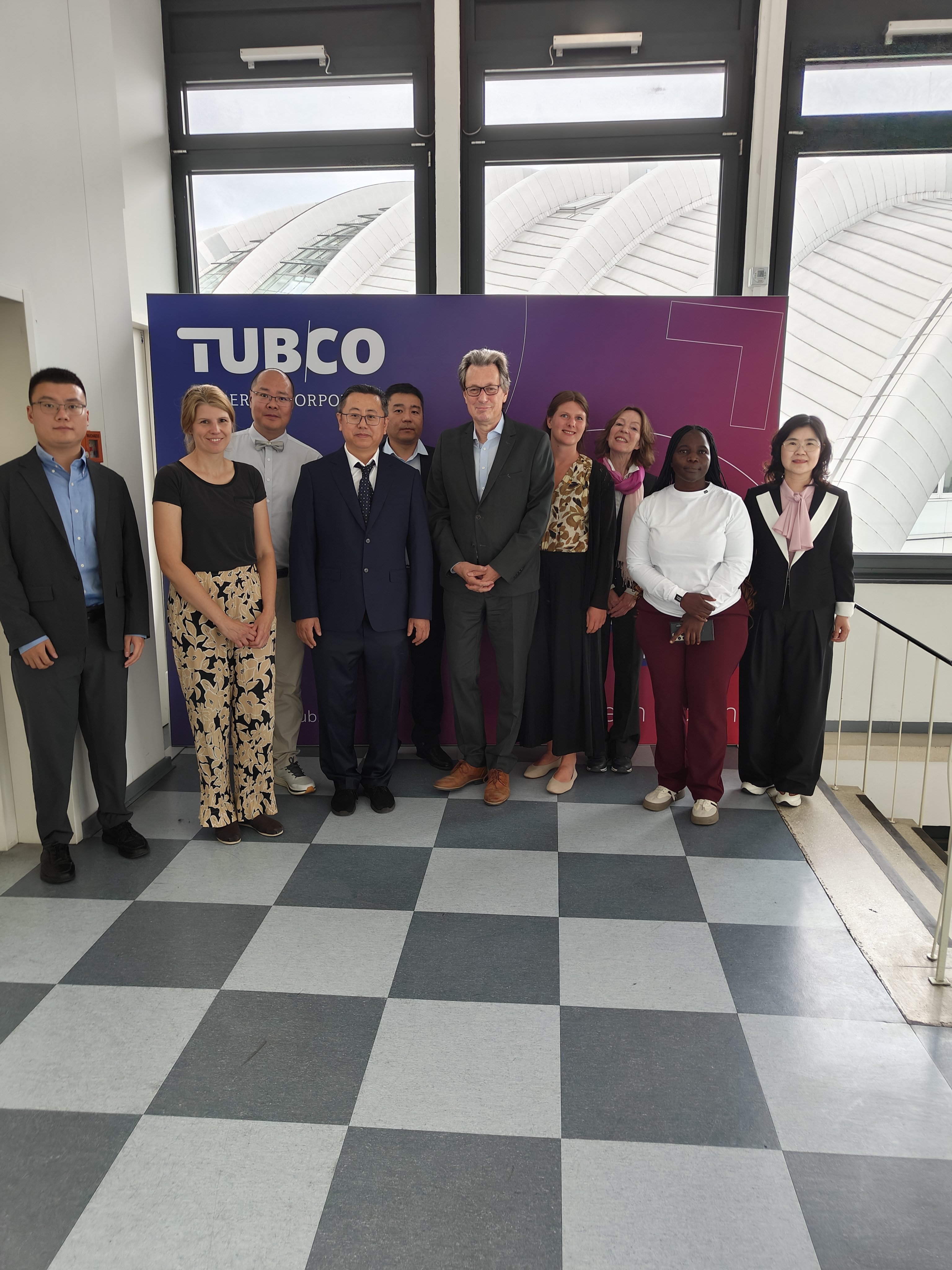
The delegation then visited Technical University of Berlin (TU Berlin), where it held discussions with TUB/CO representatives, including Summer & Winter School Director Maike Leidecker and others. The two sides officially signed a university-level MOU, an MBA joint master’s program MOU, and related agreements, establishing a pathway for joint master program. Both sides also reached consensus on short- and long-term student exchanges and faculty visits. TU Berlin welcomes SDJU students to participate in its summer school and long-term exchange programs and is willingness to send professors to SDJU to deliver research lectures. After the meeting, the delegation visited several labs of TU Berlin.
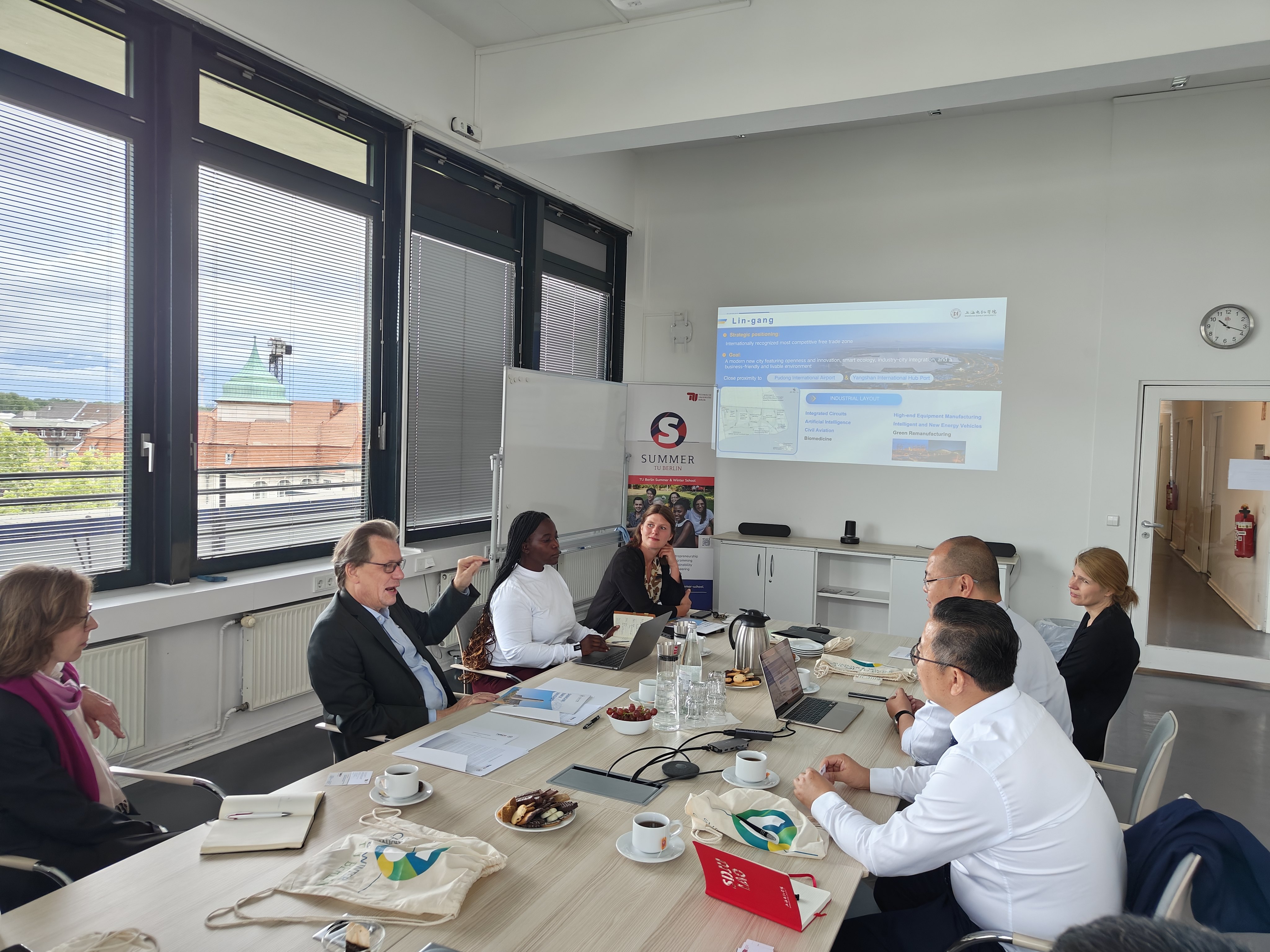
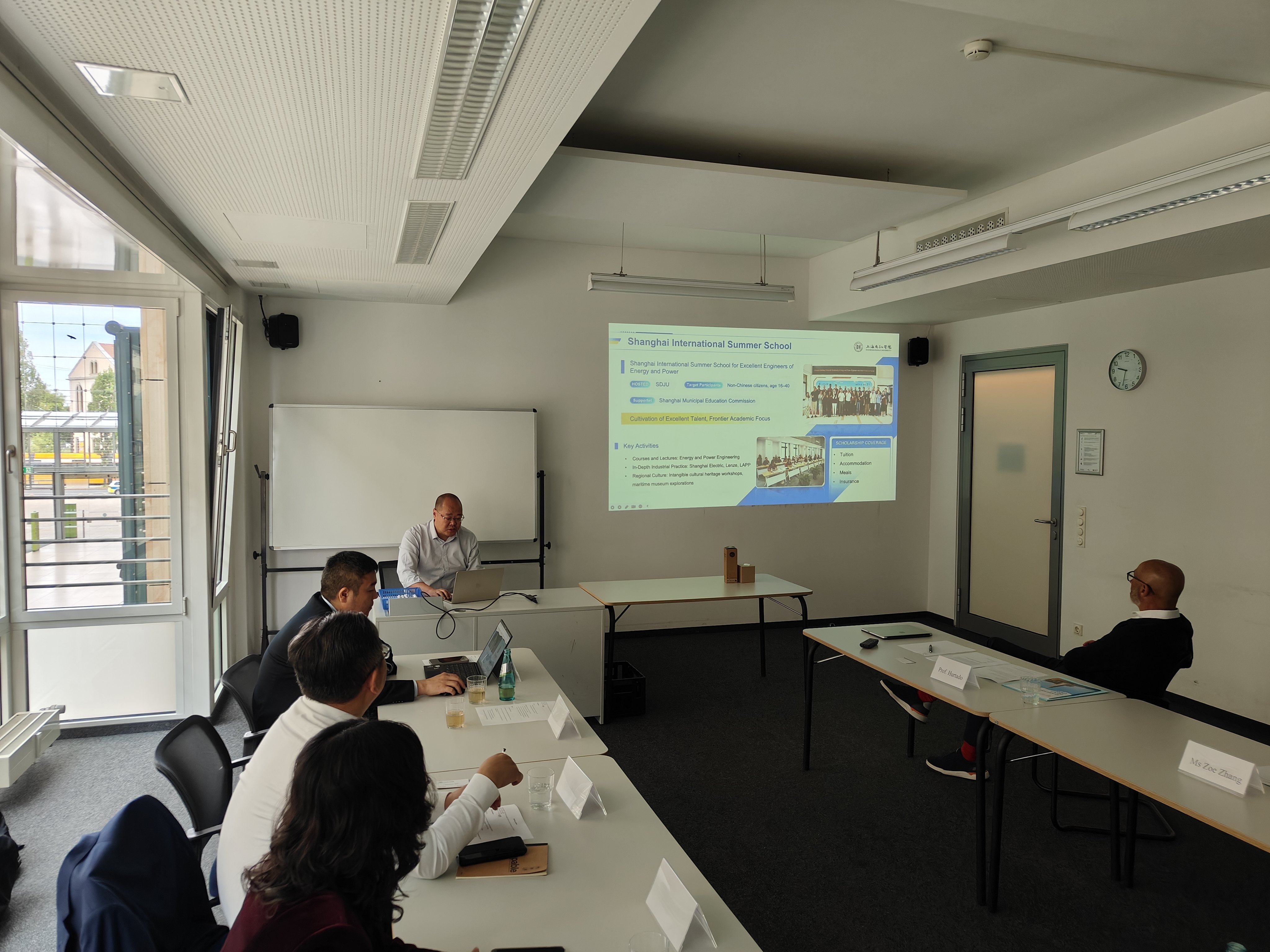
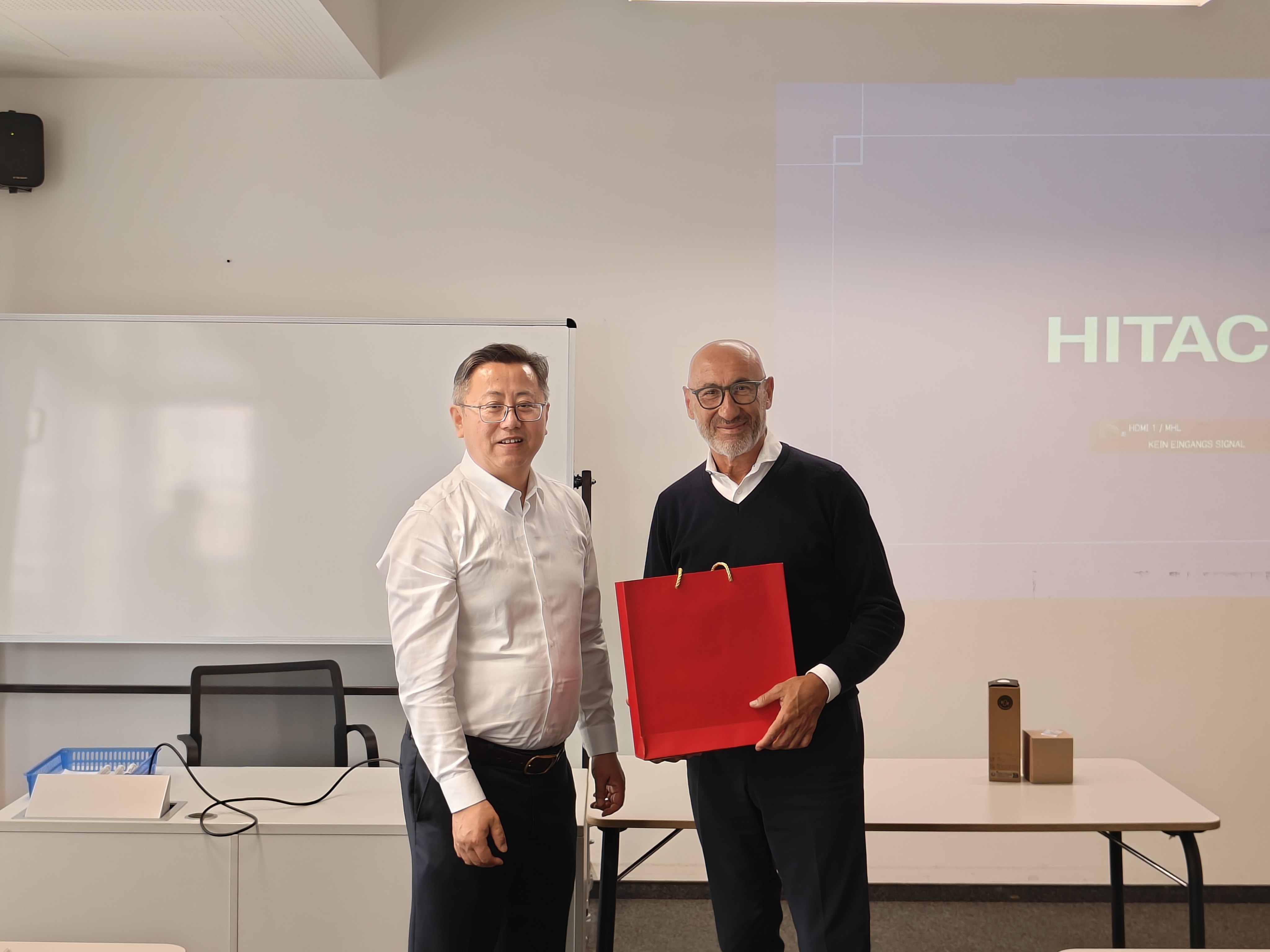
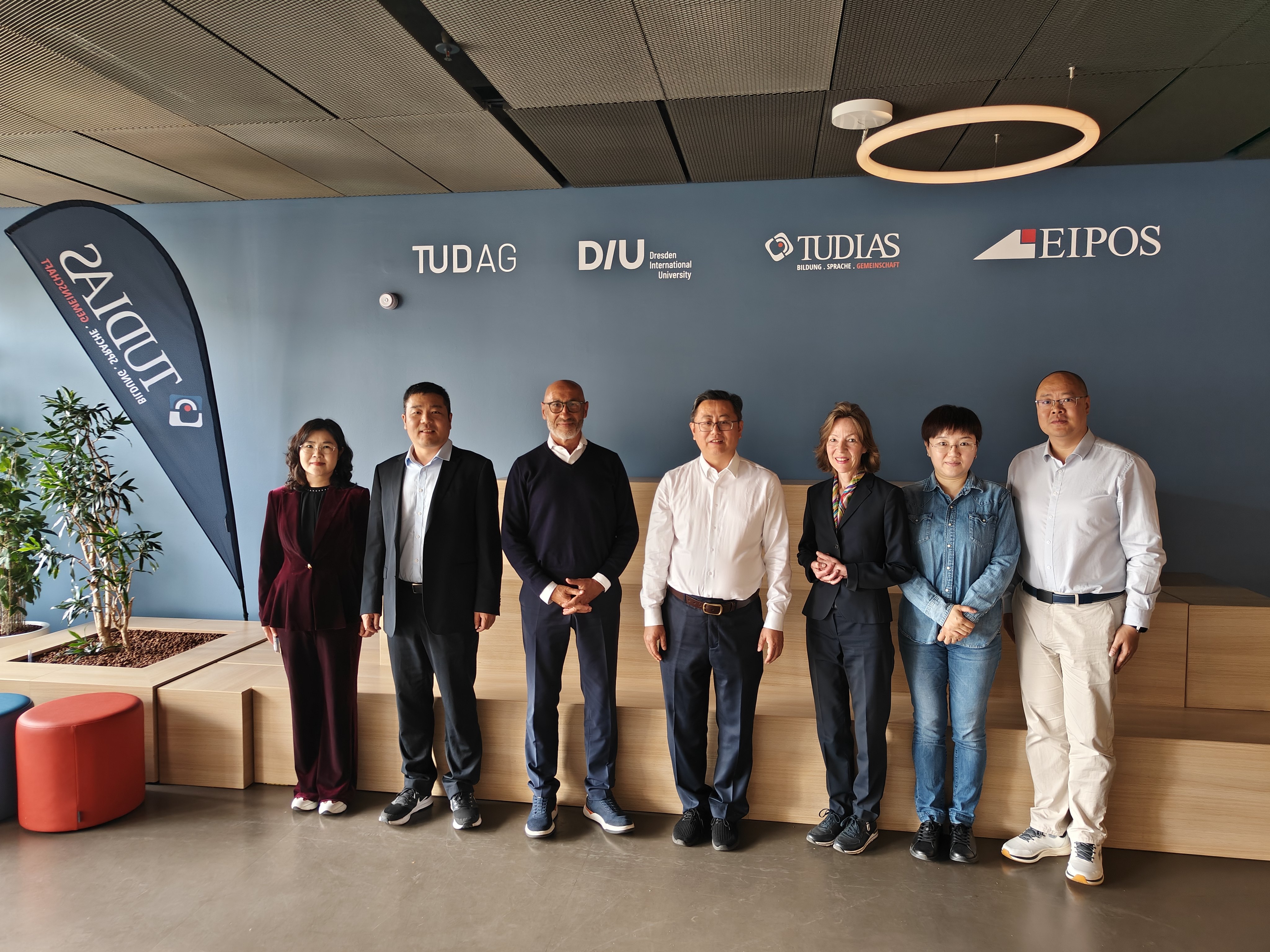
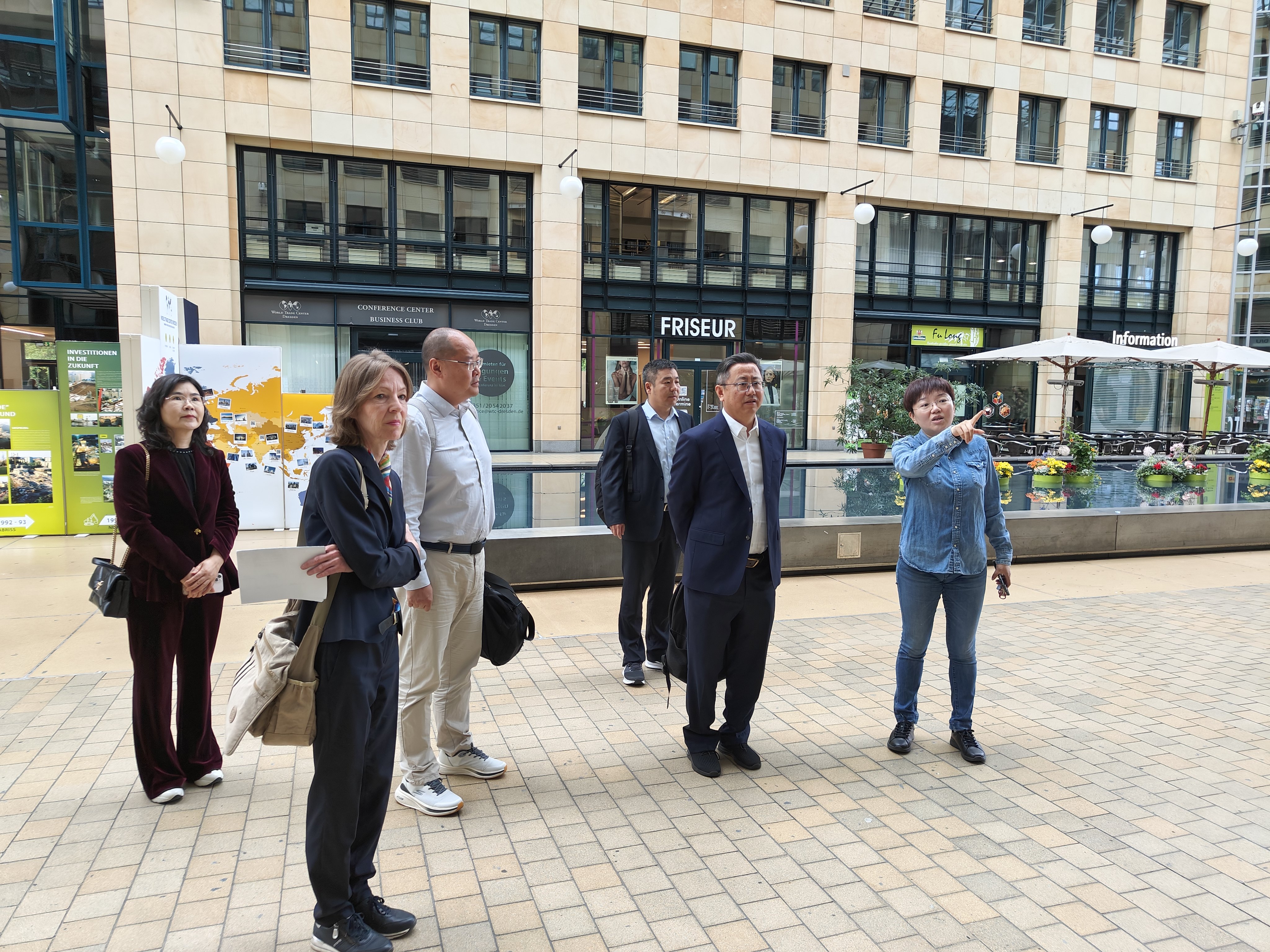
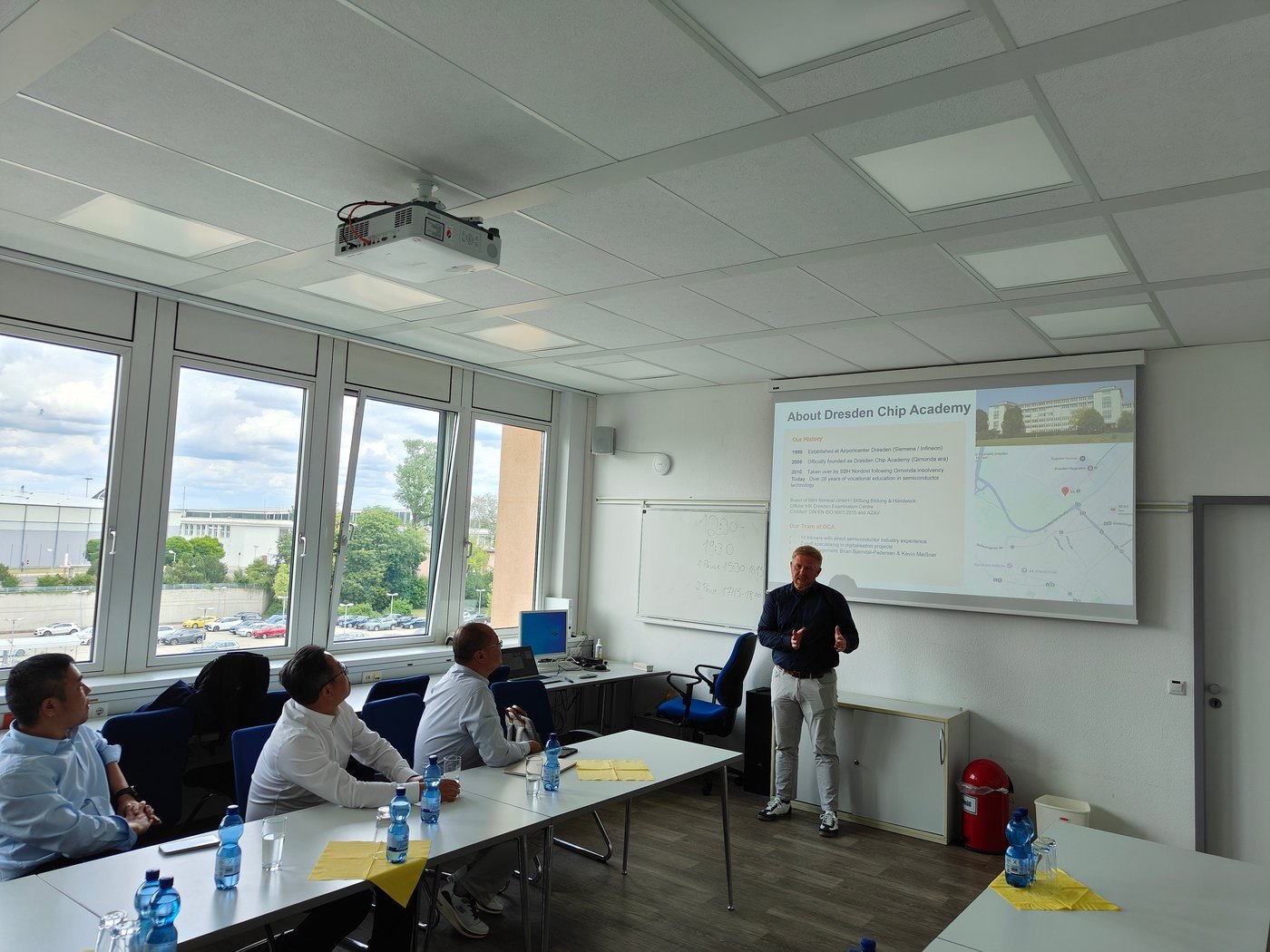
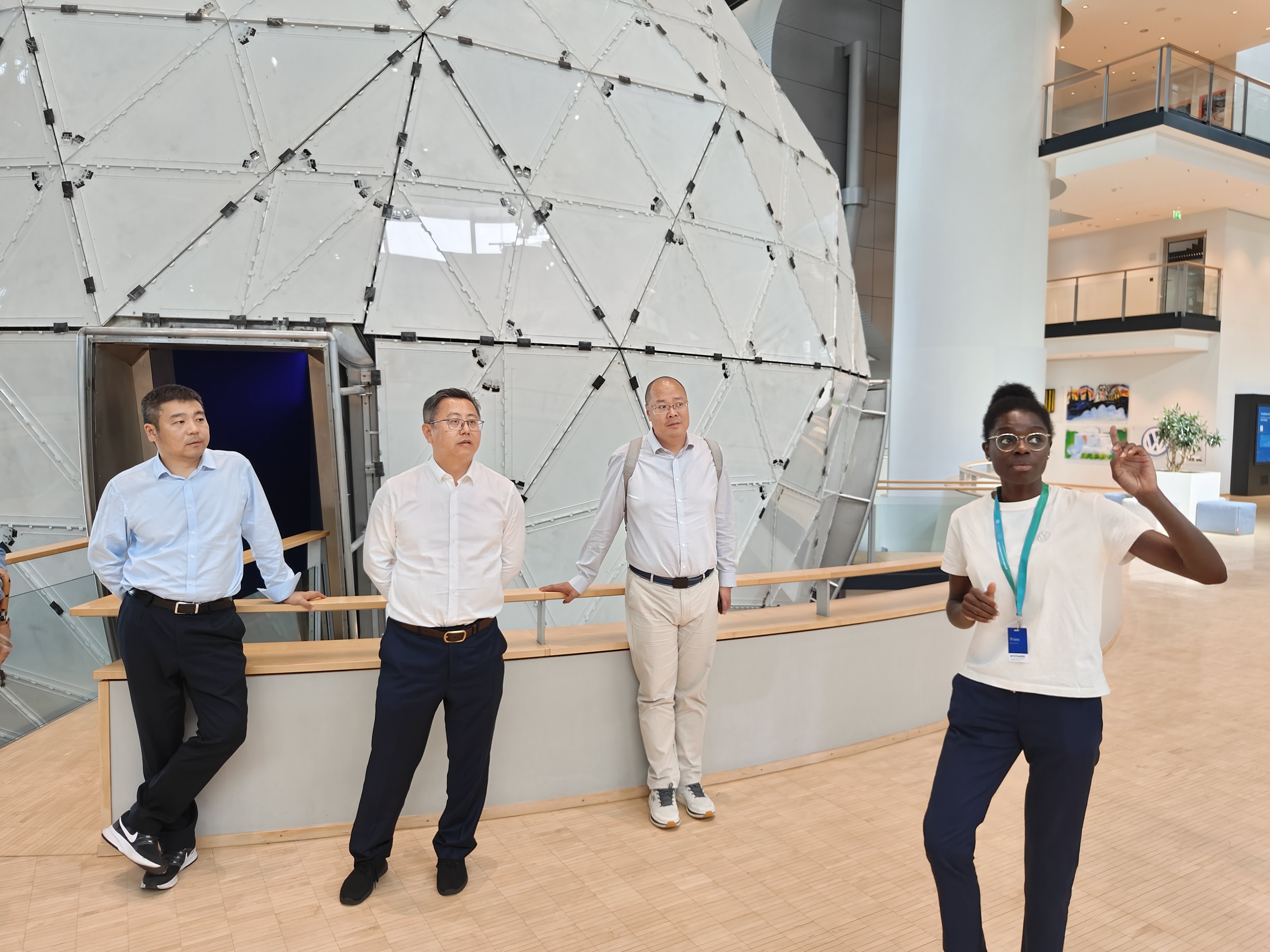
During the visit to Dresden University of Technology (TUD), the delegation met with Professor Antonio Hurtado, Managing Director of TUDIAS, and other representatives and held discussions. The two sides reached preliminary cooperation intentions on the 3+2 bachelor-to-master joint program, student exchange program, the Shanghai Research Partnership Program, and Excellent Overseas Teacher Program. Both universities also explored the feasibility of launching English-taught master’s programs in disciplines including electrical engineering, logistics management, and computer science. In addition, the two sides expressed their intention to establish a China-Germany faculty exchange platform through the 2026 China-Germany Industry-Education Integration Forum. The delegation also visited TUD Institute of Semiconductors and Microsystems to learn about Germany’s vocational education and training system and explore opportunities for future cooperation in summer schools and skills training programs. Following the discussions, the delegation visited the Transparent Factory of Volkswagen in Dresden.
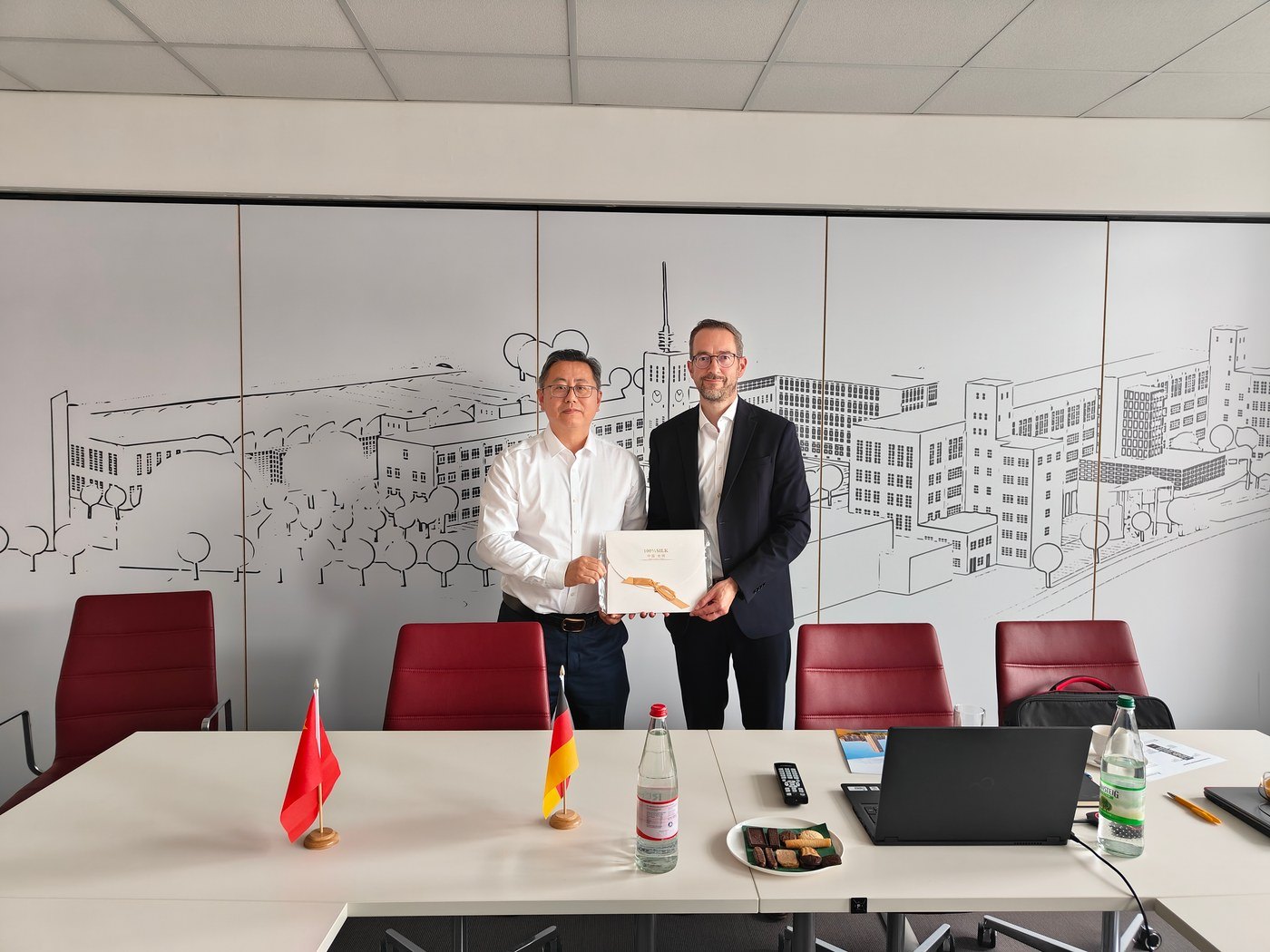
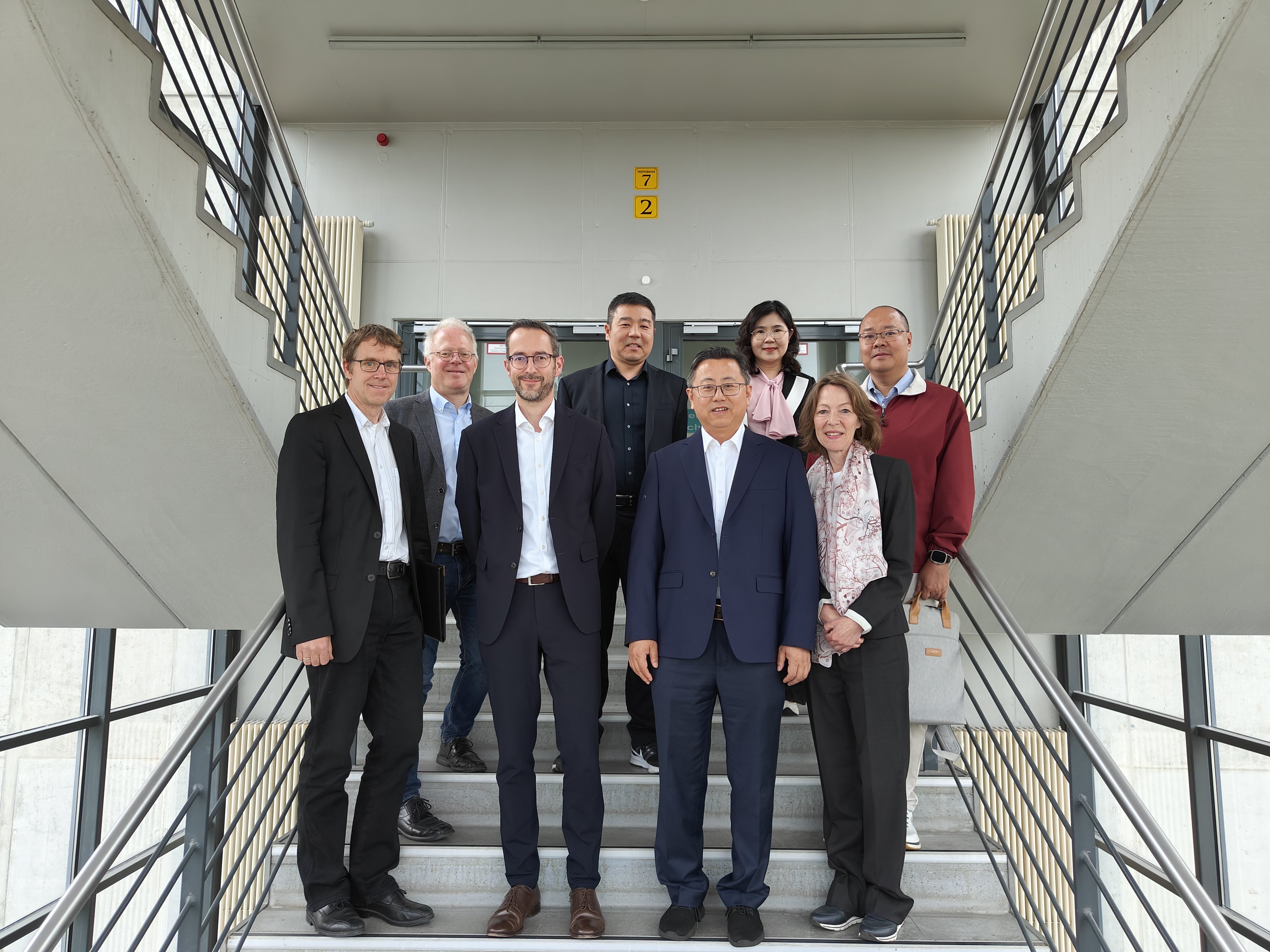
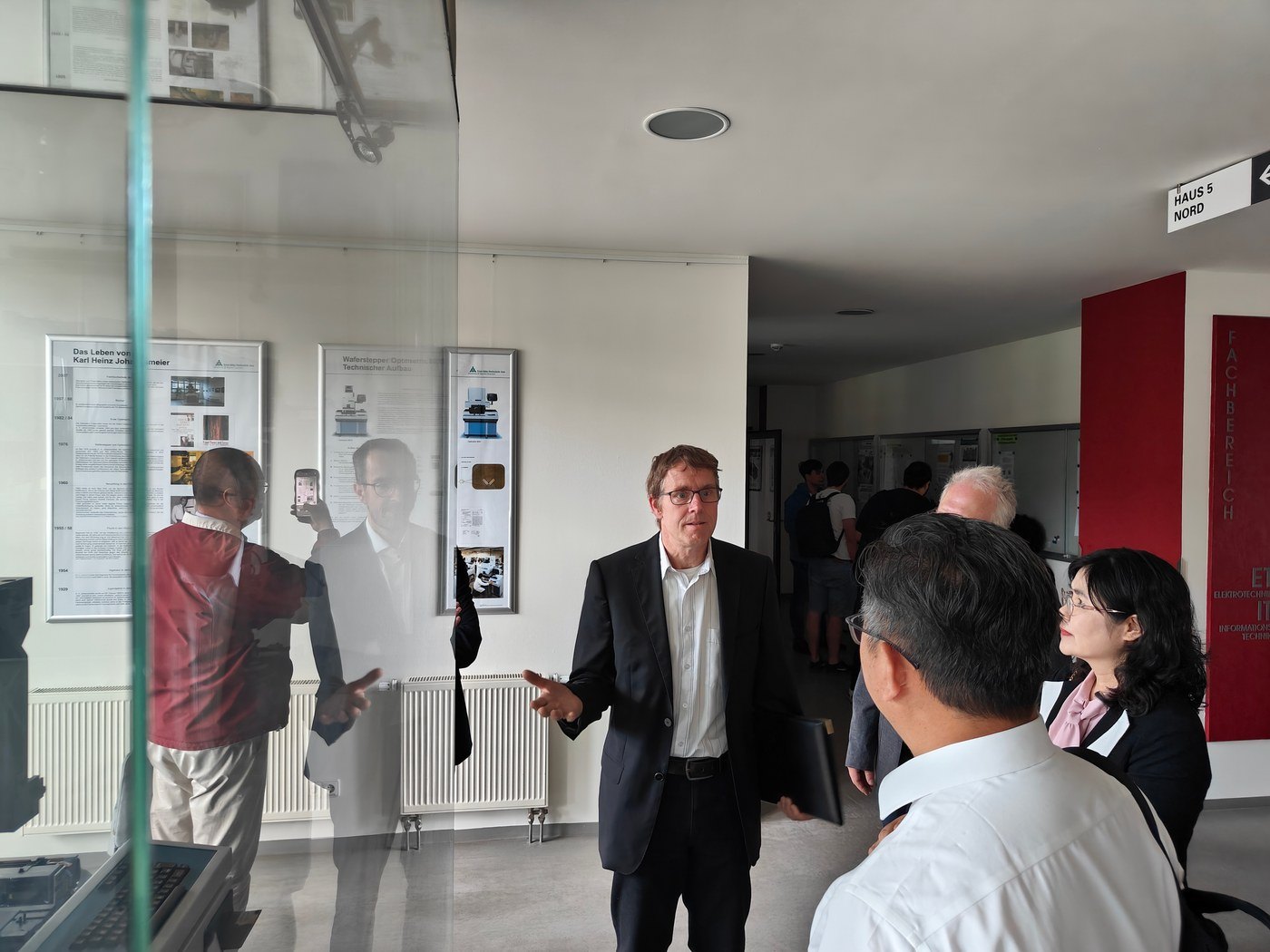
The final stop of the delegation’s Germany visit was the University of Applied Sciences Jena (EAH Jena), where the delegation held discussions with representatives from the university’s International Office and faculty members from relevant disciplines. The two sides explored potential cooperation in AI joint teaching programs and reached consensus on student exchange, faculty exchange, and research collaboration in areas including electrical engineering, optics, and intelligent manufacturing and robotics. EAH Jena expressed interest in jointly developing cooperation with the Automation major of KKIP. After the meeting, the delegation visited laboratories at the university.
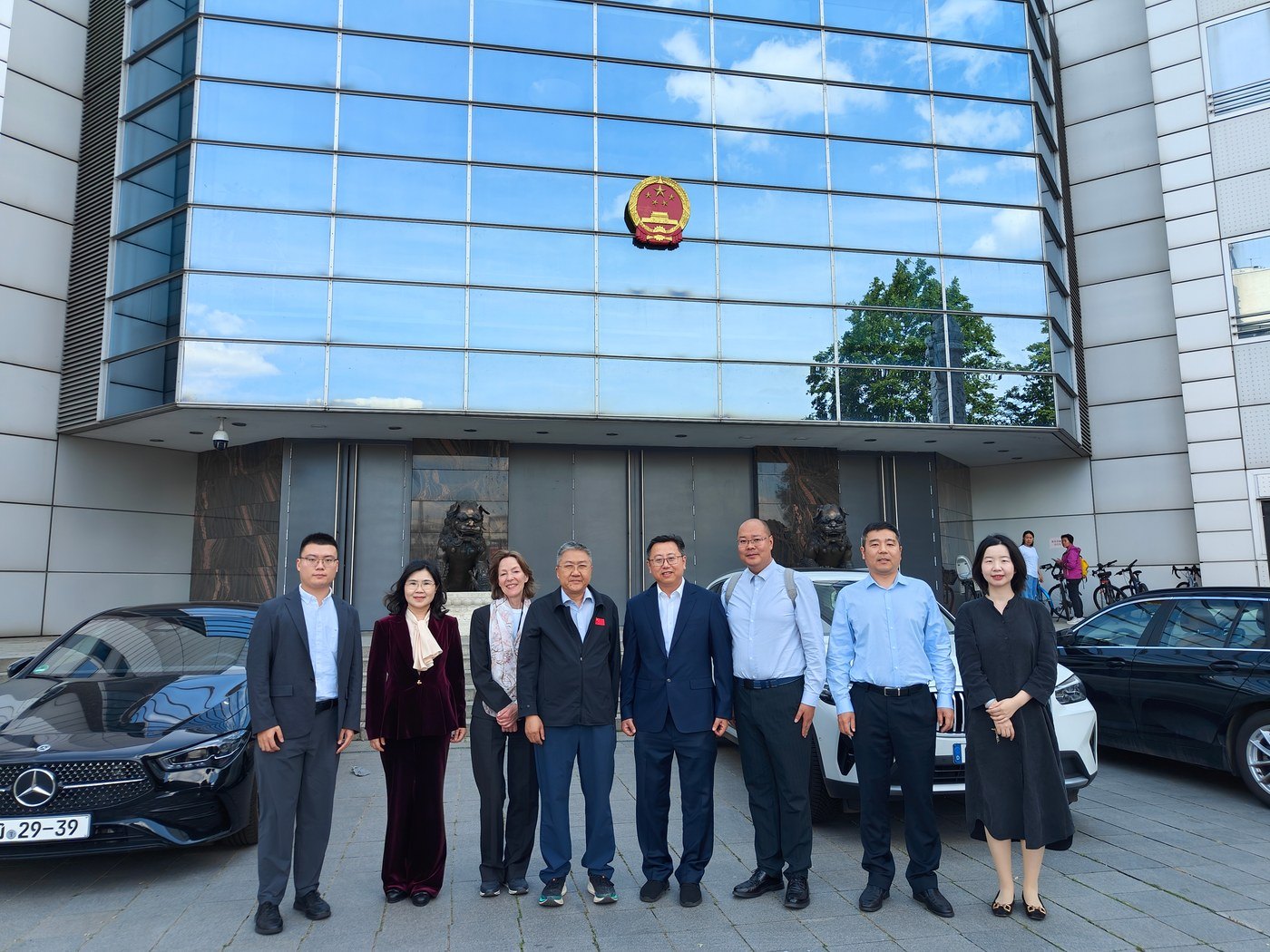
Visiting the Chinese Embassy in Germany, seeking guidance and support
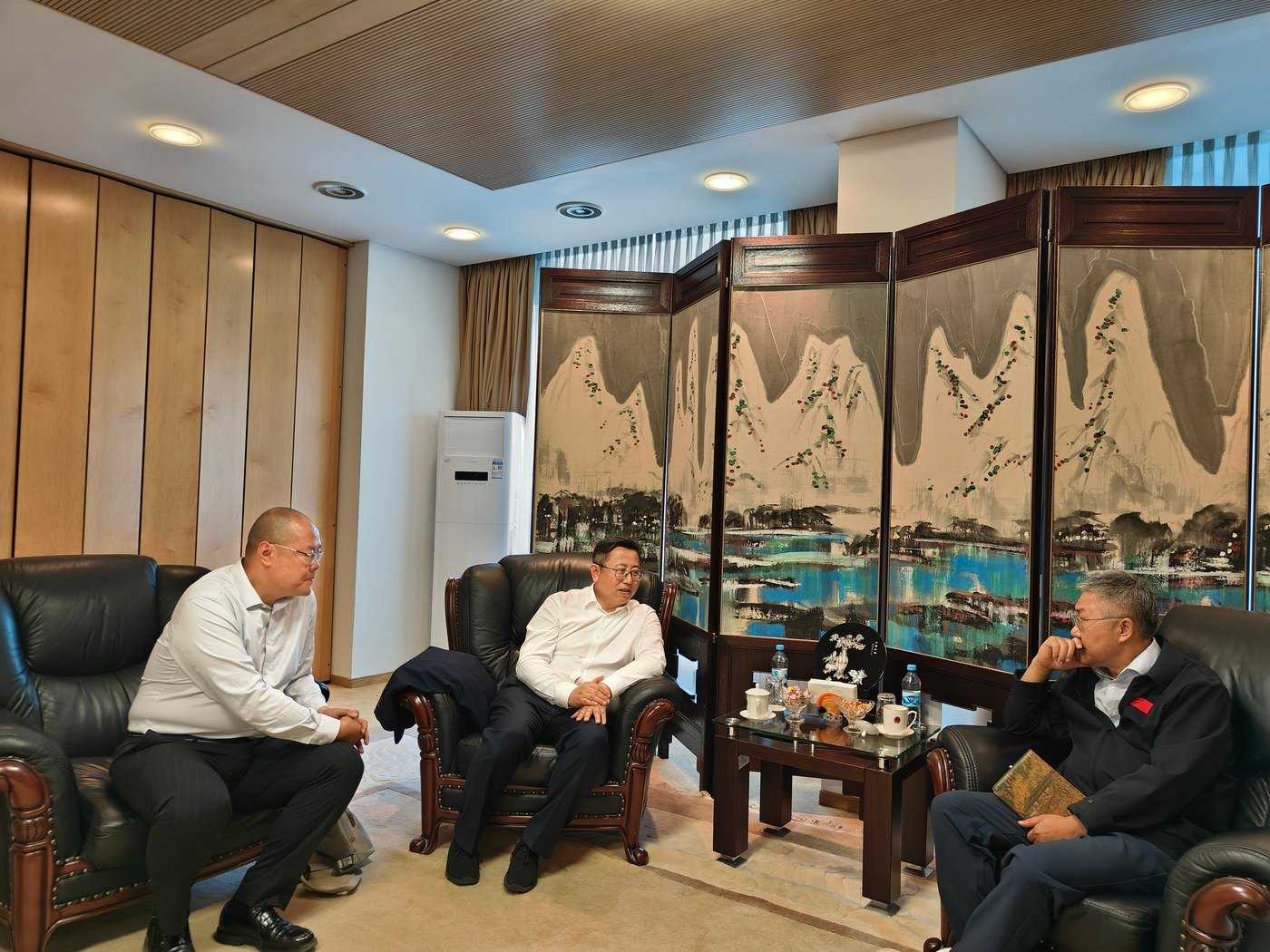
During the visit, the delegation made a special visit to the Education Office of the Chinese Embassy in Germany and held discussions with Dr. Liu Lixin, Minister Counselor. Vice President Wang briefed the embassy representatives on SDJU’s current cooperation with Germany and future plans. Minister Counselor Liu fully recognized SDJU’s active exploration and achievements in China-Germany educational cooperation. He expressed willingness to provide guidance and support in connecting SDJU with German applied universities, introducing German enterprises, and facilitating the SDJU’s role in events such as Taicang Forum, while helping establish relevant resource channels. He also suggested that SDJU’s long-term internationalization strategy should evolve “from bringing in international resources to going global.” In addition, he recommended that SDJU further explore cooperation in areas including learning from Germany’s vocational education models, establishing joint programs in the aviation sector, and supporting Chinese enterprises in their overseas development.
Expanding cooperation channels with Switzerland, building new bridges for higher education exchange
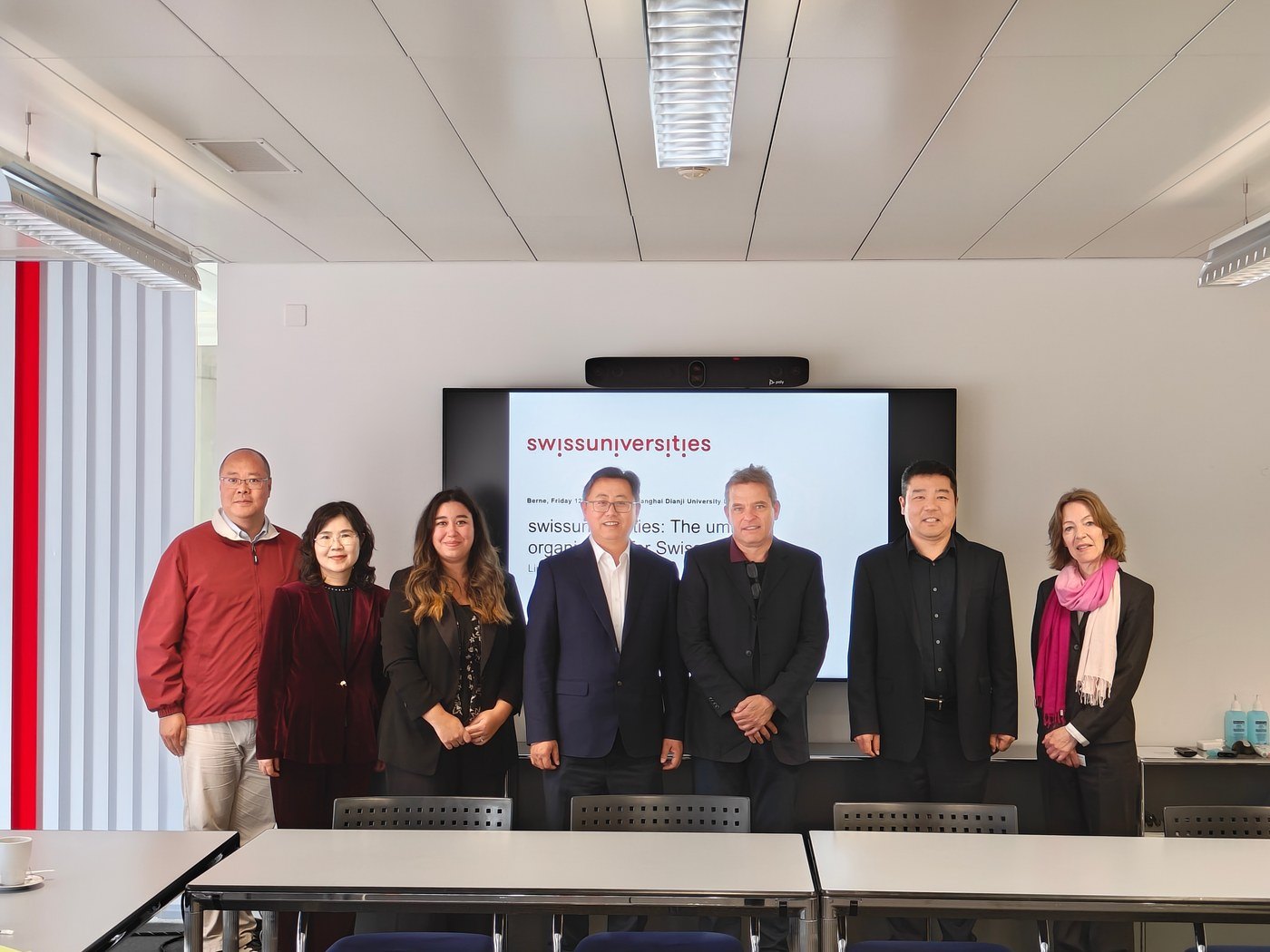
During the visit to Switzerland, the delegation held a dedicated meeting with swissuniversities, engaging in in-depth discussions with Dr. Dimitri Sudan, Head of Division International Relations, and other representatives. The delegation gained a comprehensive understanding of Switzerland’s higher education system, internationalization practices, and China-Switzerland scholarship programs, and expressed hope that swissuniversities would support the promotion of SDJU’s Shanghai Summer School program. Representatives from swissuniversities expressed their willingness to assist SDJU in connecting with potential Swiss universities, particularly institutions offering Chinese language programs. They also recommended a Swiss university of applied sciences to explore cooperation opportunities with SDJU, especially in areas such as long-term student exchanges, Chinese language learning and internship programs, and German-taught programs.
Supporting overseas students, building new platforms for alumni engagement and service
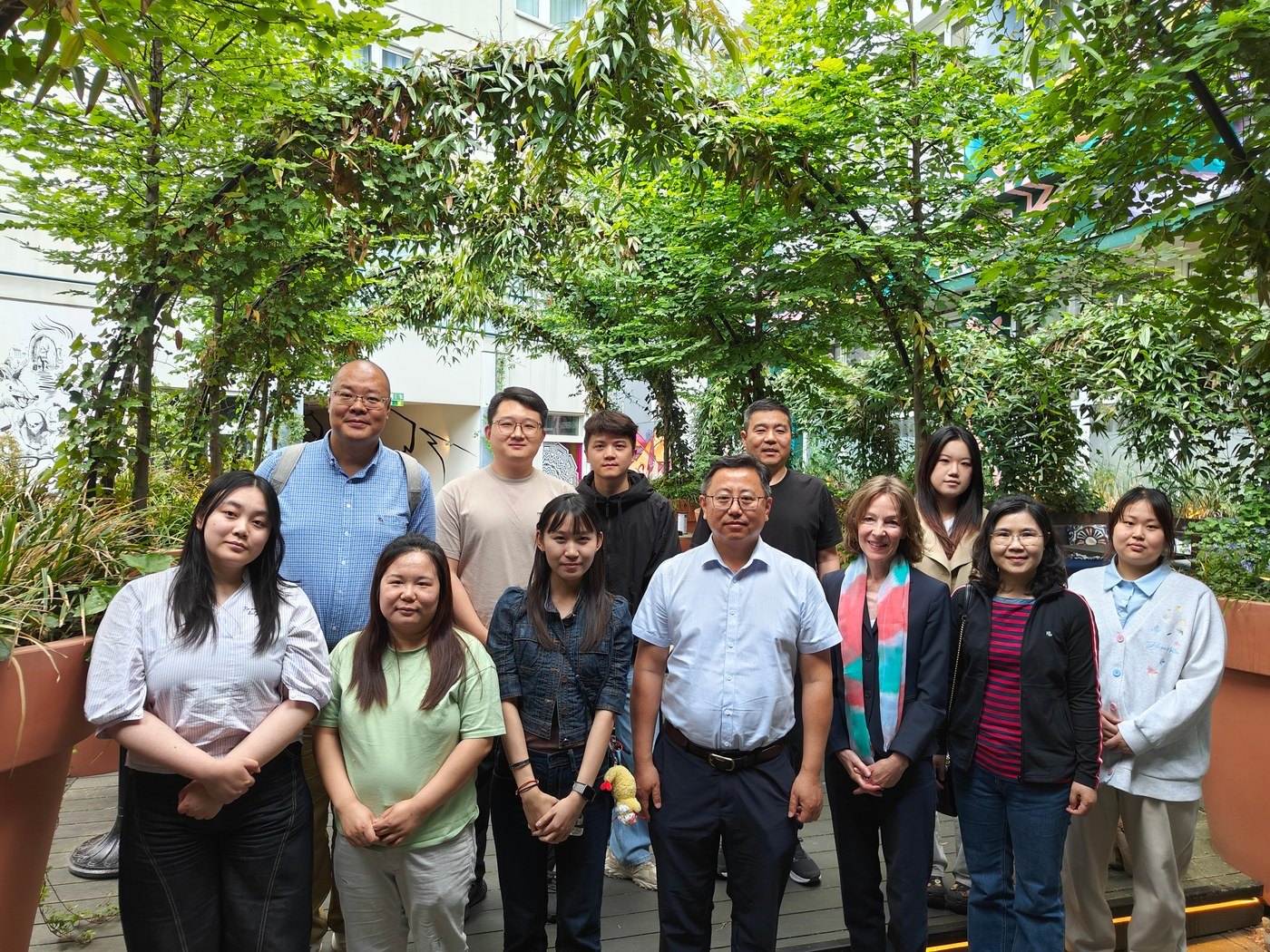
During the visit, the delegation took advantage of gaps in schedule and organized a meeting with SDJU students studying in Berlin. Vice President Wang had cordial exchanges with the students, gaining a deeper understanding of their academic progress and work situations. Based on the demand for international talent from Chinese enterprises, especially those in Shanghai, he provided targeted career advice and employment guidance. The students expressed their appreciation for our university’s care and support, noting that the gathering strengthened communication among fellow students and helped them further clarify their career goals of contributing to China’s development and serving Shanghai-based enterprises.
Looking ahead: international cooperation supporting high-quality development
The visit achieved fruitful outcomes. It not only established substantive cooperation with multiple high-level universities and institutions in Germany and Switzerland and resulted in the signing of several agreements, but also clarified concrete pathways for joint curriculum development, student exchange, faculty visit, and research collaboration. The delegation also successfully established connections with overseas Chinese embassy, creating new opportunities for expanding cooperation with Germany and Switzerland and supporting Chinese enterprises in their global development.
Building on the outcomes of this visit, our university will accelerate the development of joint courses, launch student exchange programs, and advance the implementation of signed agreements. We will continue to deepen practical cooperation with German and Swiss partners in talent cultivation, faculty exchange, research collaboration, and international platform development. By integrating high-quality international educational resources with SDJU’s distinctive strengths, we aim to provide stronger support for cultivating high-quality application-oriented professionals with global perspectives, engineering capabilities, and innovative spirit, injecting new international momentum into SDJU’s high-quality development during the 15th Five-Year Plan period.
Profiles of Partner Institutions
Humboldt University of Berlin (Humboldt-Universität zu Berlin) was founded in 1810 and is one of Germany’s most prestigious universities, widely known as the “the mother of all modern universities.” A total of 57 alumni, faculty members, and researchers have received Nobel Prizes. The university enjoys a strong reputation in fields including humanities, social sciences, and natural sciences. Professor Niels Pinkwart, Vice President for Academic Affairs, is a renowned scholar in artificial intelligence.
Technical University of Berlin (Technische Universität Berlin) was founded in 1879 and is one of Germany’s leading universities of technology. It is a member of Germany’s Excellence Universities initiative and the TU9 alliance. The university is internationally recognized for its strengths in electrical and electronic engineering, mechanical engineering, computer science, and other disciplines. Its TUB/CO division focuses on international continuing education and project-based cooperation.
Dresden University of Technology (Technische Universität Dresden) was founded in 1828 and is a member of Germany’s Excellence Universities initiative and the TU9 alliance. The university has strong academic strengths in mechanical engineering, electrical engineering, materials science, and related fields. Its TU Dresden Institute for Advanced Studies (TUDIAS) has extensive experience in continuing education and international project cooperation.
University of Applied Sciences Jena (Ernst-Abbe-Hochschule Jena) was founded in 1991 and is a renowned German university of applied sciences with distinctive strengths in optics, precision engineering, automation, and related fields. It maintains close industry-academia-research cooperation with enterprises such as Carl Zeiss.
swissuniversities was established in 1996 as the umbrella organization representing Swiss public universities, universities of applied sciences, and universities of teacher education. It represents Switzerland’s higher education sector in international cooperation and policy coordination.