
On July 13, the Institute of Space Science and Technology (ISST), jointly established by Shanghai DianJi University (SDJU) and CAS Nanjing Astronomical Instruments Co., Ltd. (NAI), was officially inaugurated. Meanwhile, the International Frontier Workshop on X-ray Binary Research, funded by the National Natural Science Foundation of China (NSFC) and jointly organized by SDJU, Qilu Normal University (QLNU), and Southwest Petroleum University (SWPU), was successfully launched. Four academicians in the field of astronomy—Han Zhanwen, Jing Yipeng, Shi Shengcai, and Dai Zigao—together with experts from Shanghai Institute of Technical Physics Chinese Academy of Sciences (SITP), the National Astronomical Observatories, CAS (NAOC), the Innovation Academy for Microsatellites, Tsinghua University, Shanghai Jiao Tong University, and dozens of other universities and research institutions, participated both online and onsite. They gathered to explore the frontiers of deep space and jointly build a new innovation platform for aerospace science and technology. The event was chaired by SDJU Vice President Yang Junjie.
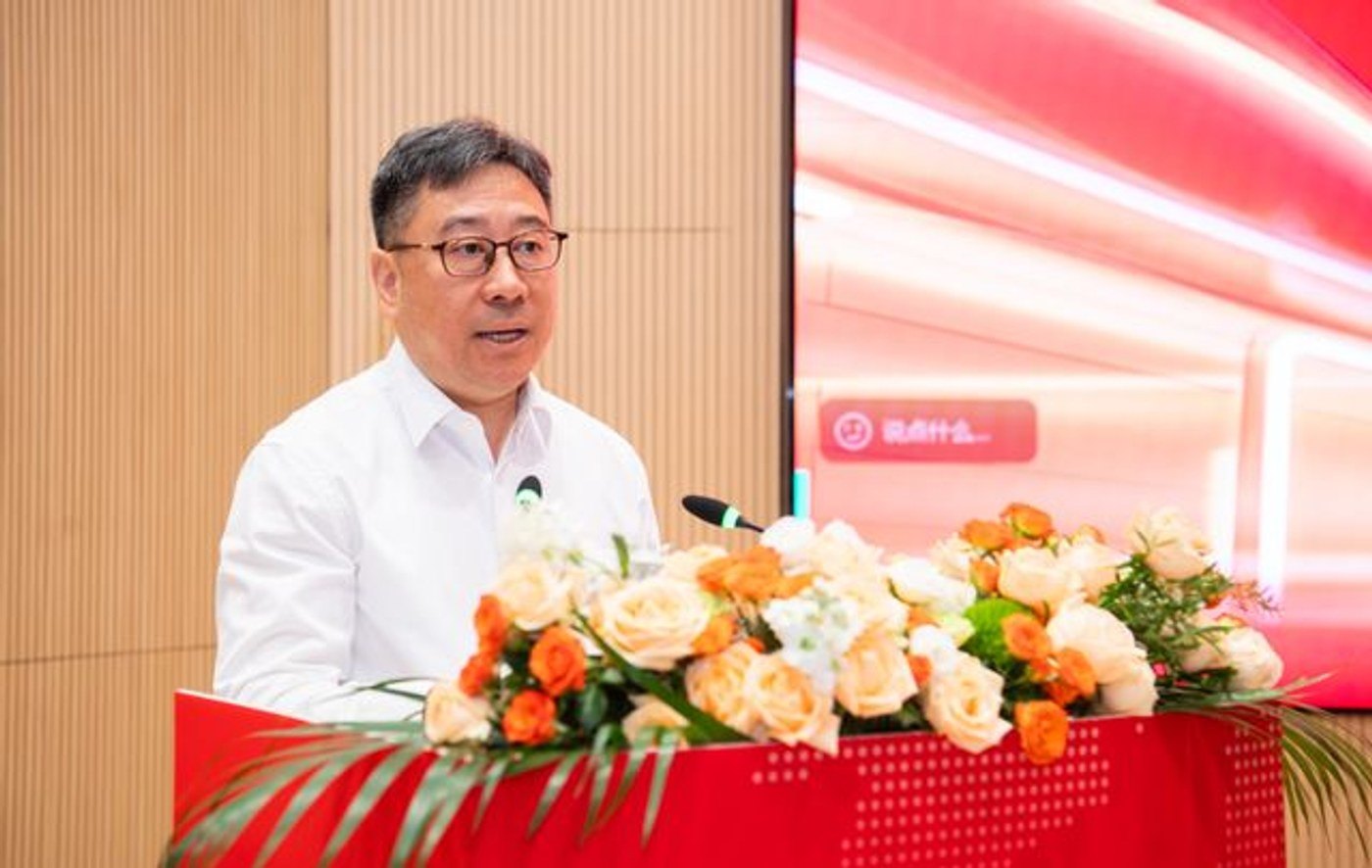
In his speech, Lu Xionggang, Secretary of CPC SDJU Committee, stated that space science represents a strategic frontier in achieving greater self-reliance and strength in science and technology. As a cutting-edge field at the intersection of high-energy astrophysics and space astronomy, X-ray binary research serves as a vital link connecting fundamental scientific research with aerospace engineering applications. The establishment of ISST marks a key initiative for SDJU to optimize its disciplinary structure, address gaps in scientific research capabilities, and develop emerging fields. It also represents an important step in actively supporting China’s deep-space exploration strategy and aligning with Shanghai’s aerospace industry development. Going forward, SDJU will support ISST development in four major areas: first, designating Space Science and Technology as a key emerging interdisciplinary field supported at the university level, with a focus on distinctive research directions including space astronomy, high-energy physics detection, and intelligent aerospace technologies; second, fostering and recruiting outstanding aerospace research teams by leveraging high-level academic platforms to attract leading talent; third, deepening diverse collaborations among universities, local governments, enterprises, research institutes, and international partners to establish an innovation chain integrating theoretical research, technological breakthroughs, and commercialization of research outcomes; and fourth, promoting the integration of scientific research and education to provide innovative achievements and professional talent for China’s aerospace sector and space-related industries.
Chen Zhimin, Vice Dean (Acting Dean) of SDJU School of Aerospace Information Technology (SAIT), delivered a report on SAIT’s development plan. As a key platform established by our university for advancing interdisciplinary fields including space science, space payloads, and microsatellites, SAIT has continuously focused on breakthroughs in areas such as space-based optical and electronic detection, aerospace information processing, and microsatellite technologies. It has gradually developed a distinctive aerospace-oriented disciplinary system that integrates fundamental research and applied innovation while responding to industrial development needs, laying a solid foundation in disciplines, talent development, and research capacity for the establishment of ISST.
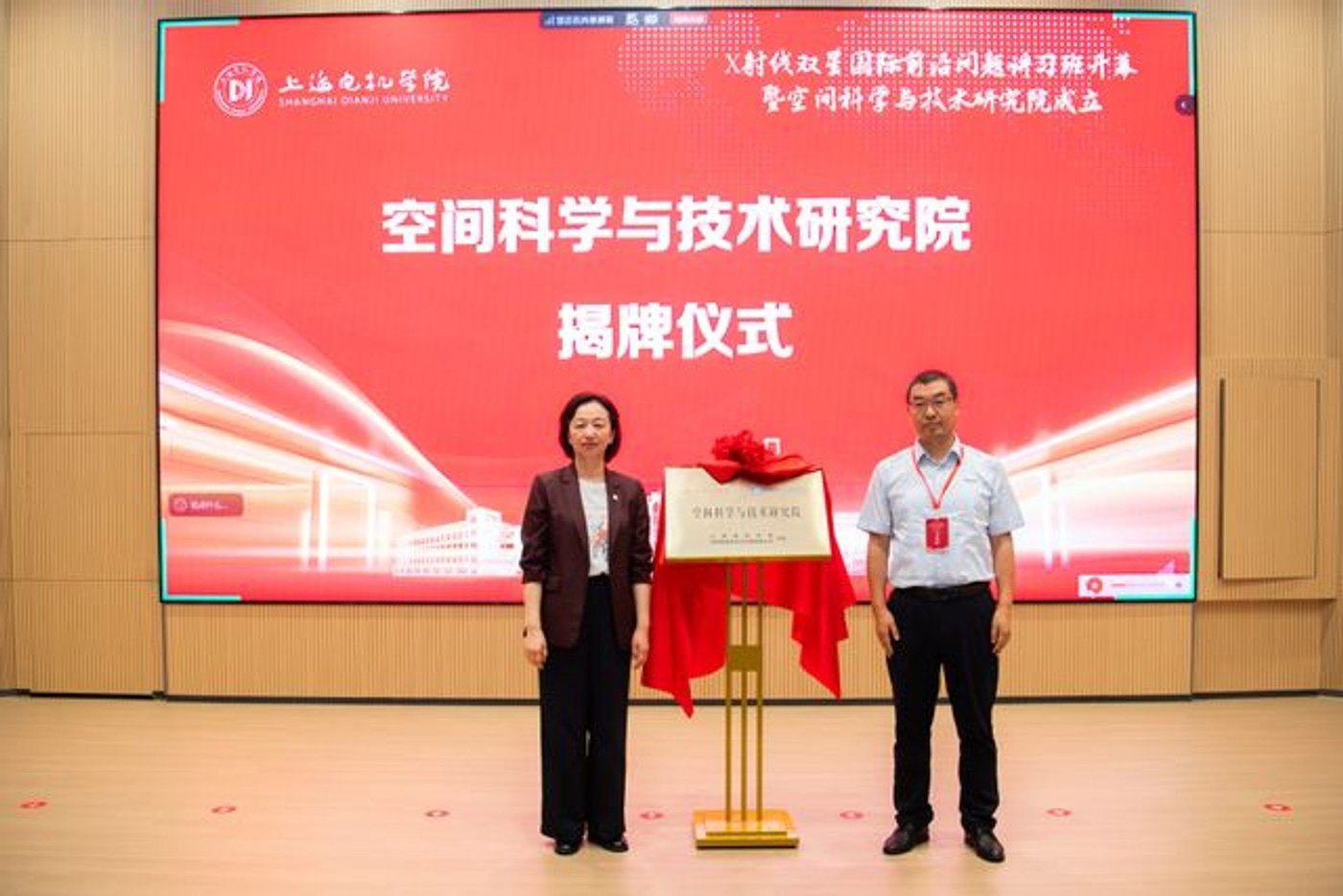
At the inauguration ceremony, SDJU President Gong Siyi and NAI Chairman Li Haibo, jointly unveiled the plaque of ISST. The newly established institute will focus on three major research directions: data acquisition and weak signal extraction, radio and millimeter-wave telescope receiver technologies, and deep-space polar exploration. It will establish three laboratories: the Laboratory of Data Acquisition and Weak Signal Extraction, the Laboratory of Deep-Space Polar Exploration Technologies, and the Laboratory of Space Physics. The institute has already established collaborative relationships with nearly ten universities and research institutions to jointly conduct research on critical core technologies.
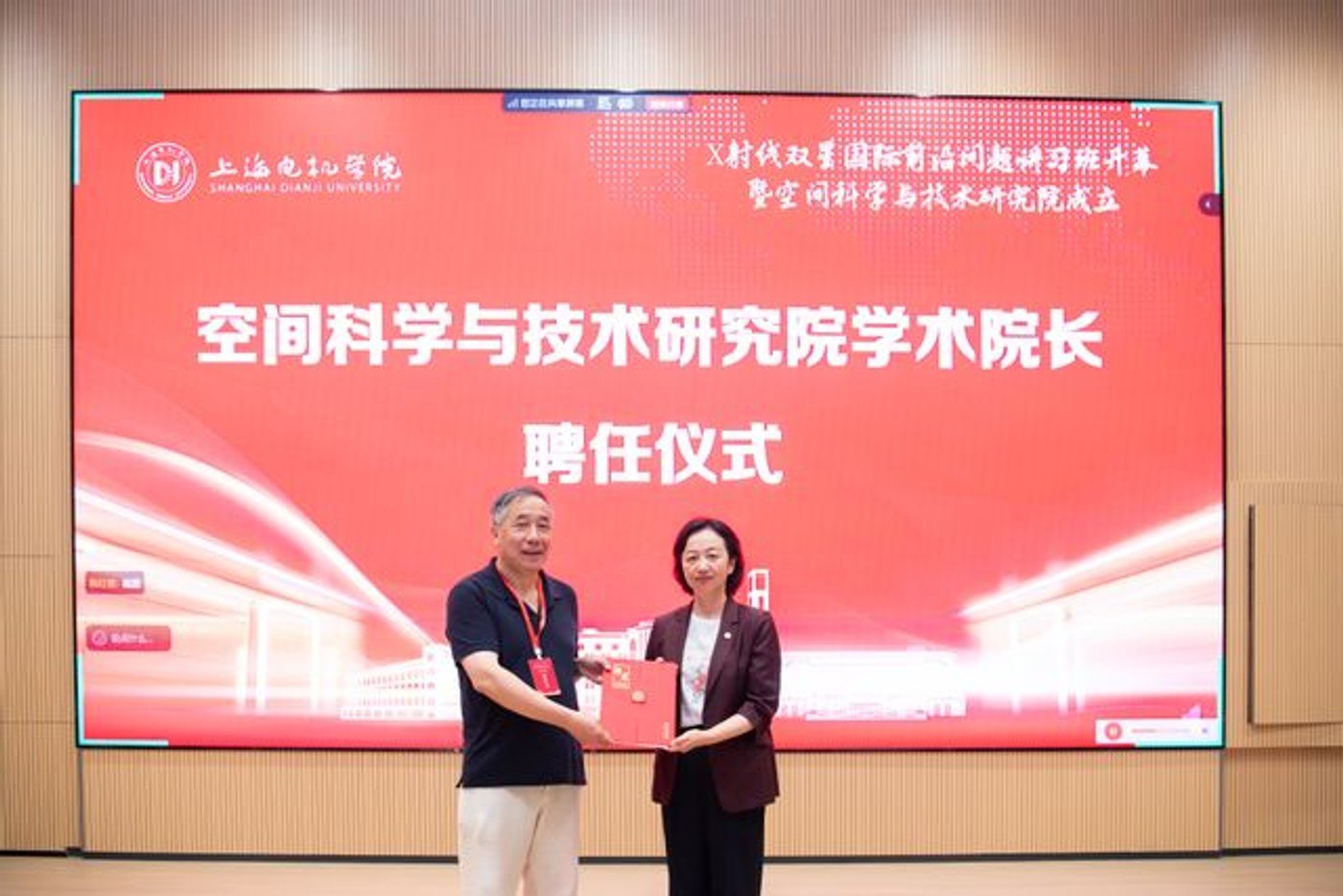
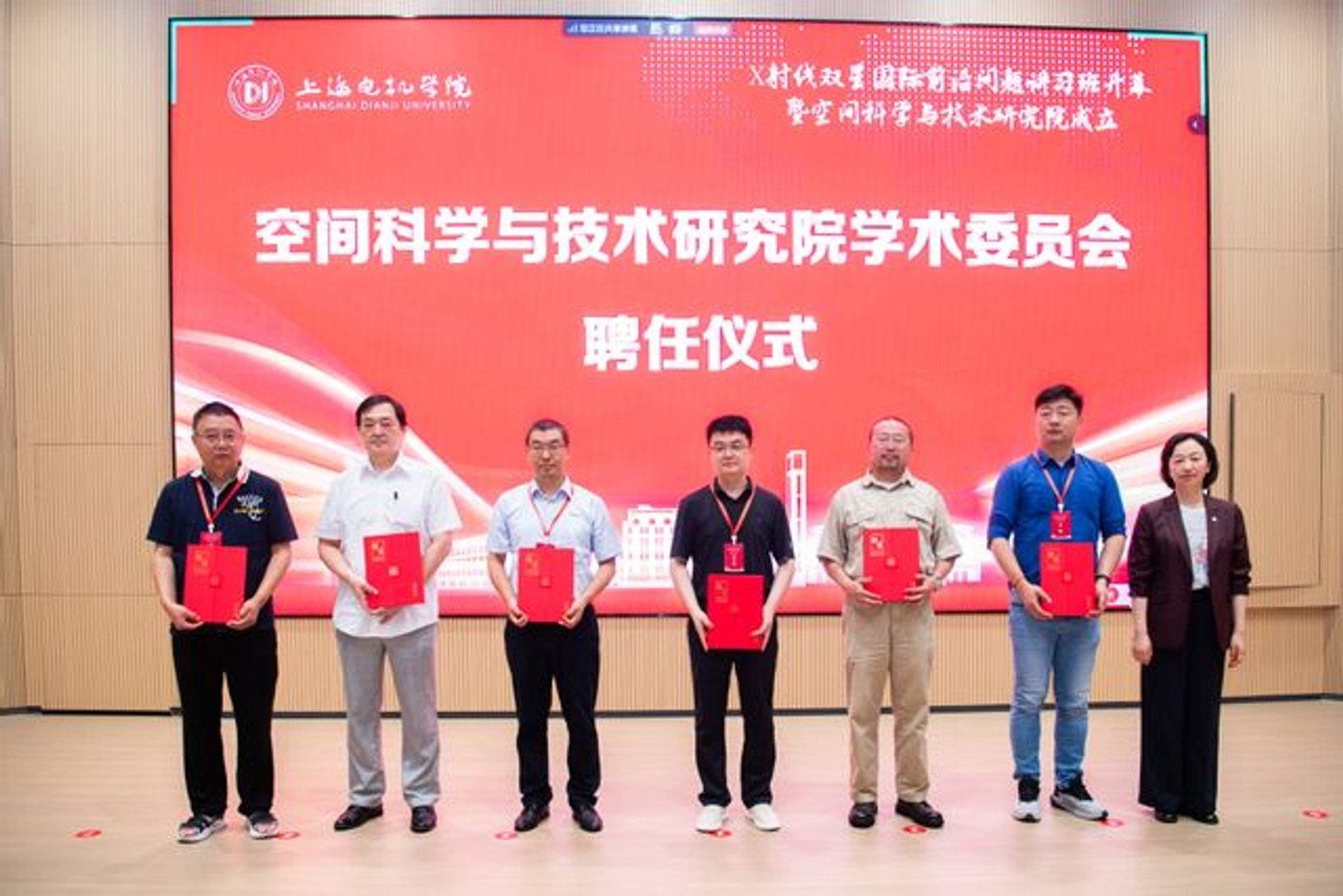
President Gong presented the appointment letter of ISST Academic Dean to Liu Qingzhong, a Level-II Researcher at CAS Purple Mountain Observatory, and issued appointment letters for members of ISST Academic Committee to Ding Lei, SITP Director, and other experts. A high-level academic think tank covering the entire innovation chain—from deep-space exploration and space instrumentation to aerospace engineering and industrial transformation—has now been established. CAS Academician Shi Shengcai serves as Chair of ISST Academic Committee.
Experts including Shi Shengcai, Jing Yipeng, Han Zhanwen, Dai Zigao, Ding Lei, Liu Jifeng, and Li Haibo provided guidance and recommendations for the future development of ISST.
Meanwhile, a nine-day International Frontier Workshop on X-ray Binary Research was held concurrently. Focusing on cutting-edge scientific topics and addressing key technological challenges, the workshop provided a high-level academic exchange platform for research leaders and young scholars, continuously empowering original innovation and academic breakthroughs in the field of space science.
The simultaneous launch of ISST and the national workshop represents a landmark initiative in SDJU’s efforts to deepen comprehensive reform, strengthen interdisciplinary development in aerospace-related fields, and establish a full-chain innovation system integrating fundamental theories, space instrumentation, and engineering applications. Our university is committed to strengthening fundamental research in space science, aligning with national mid and long-term space science development program, and actively responding to the innovation and development needs of Shanghai’s aerospace industry.
As a research institute under SAIT, ISST will collaborate closely with existing research platforms within our university, jointly advancing the development of SDJU’s “Aerospace + X” interdisciplinary initiatives and innovation in key technologies.