
On the afternoon of July 17, the closing ceremony of the 2026 China-Italy Summer School on Advanced Manufacturing (CISSAM) was grandly held in Conference Room 330 of SDJU Lin-gang Administration Building. Vice President Wang Hongzhi, along with representatives from Office of International Cooperation and Exchanges (OICE), School of Electrical and Energy Engineering, School of Excellence Engineering, welcomed program representatives from China Science &Technology Automation Alliance (CSAA), the University of Naples Federico II (UNINA), the University of Naples Parthenope (UNP), the University of Bergamo (UniBg), Tsinghua University, and Capital Normal University (CNU).
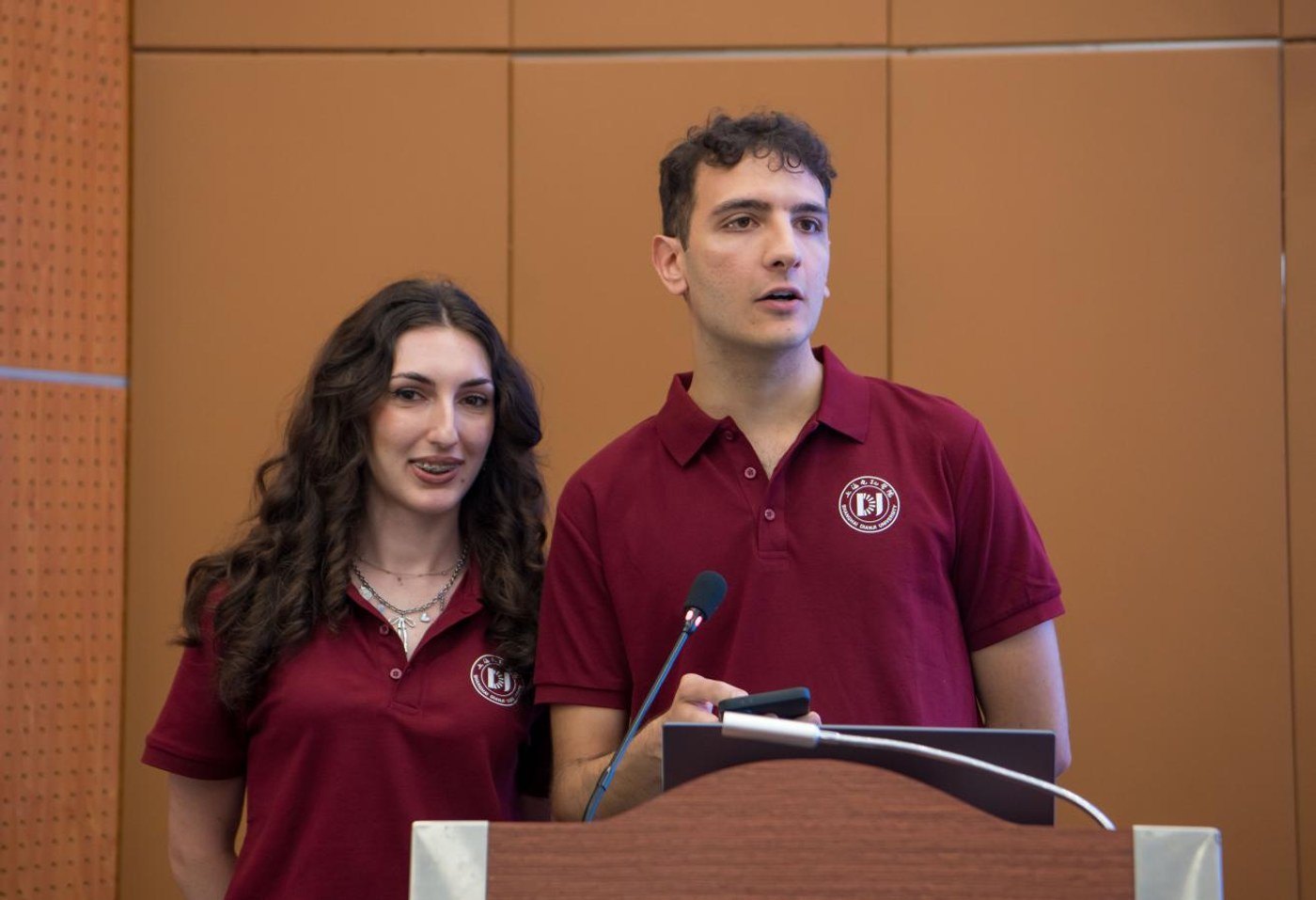
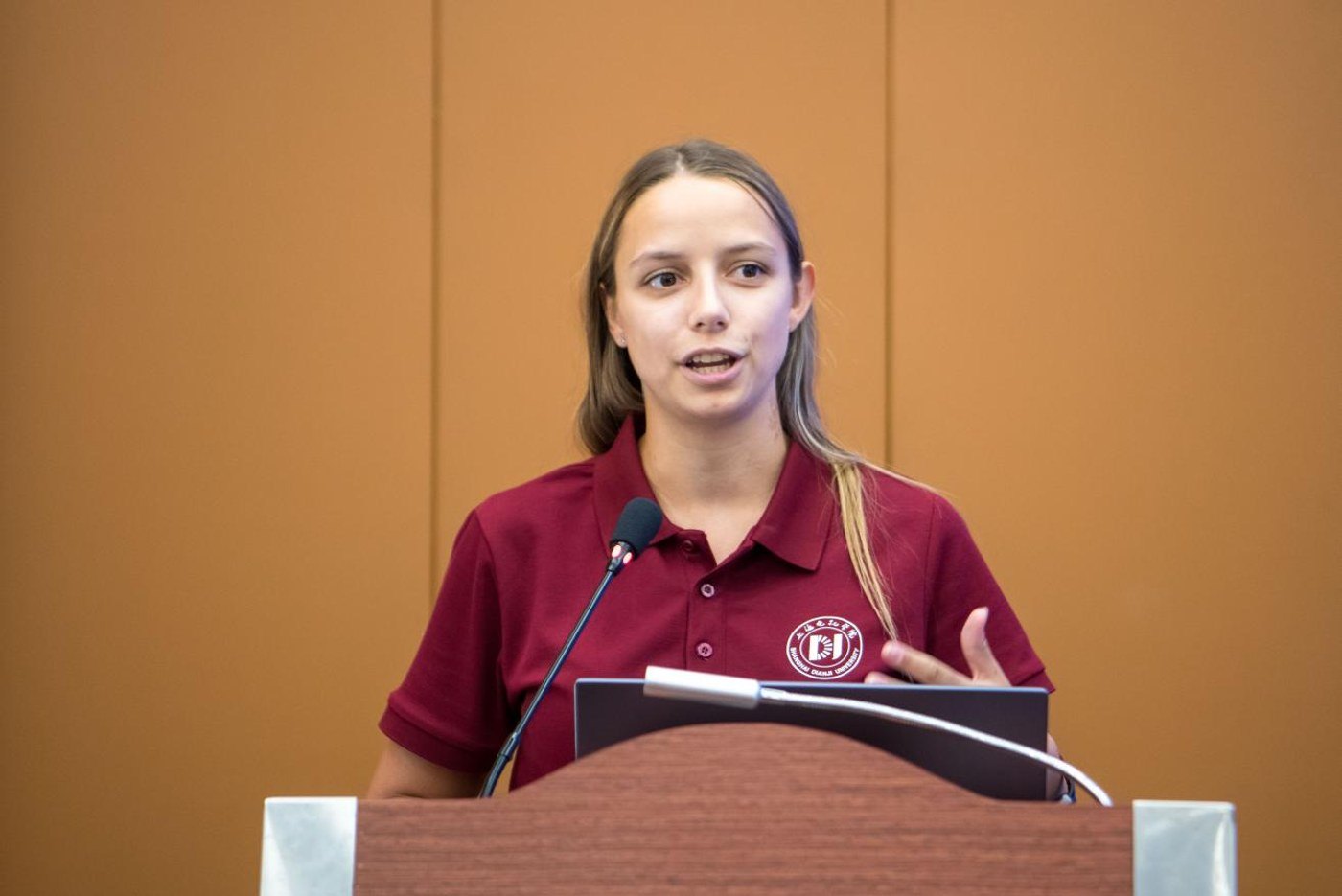
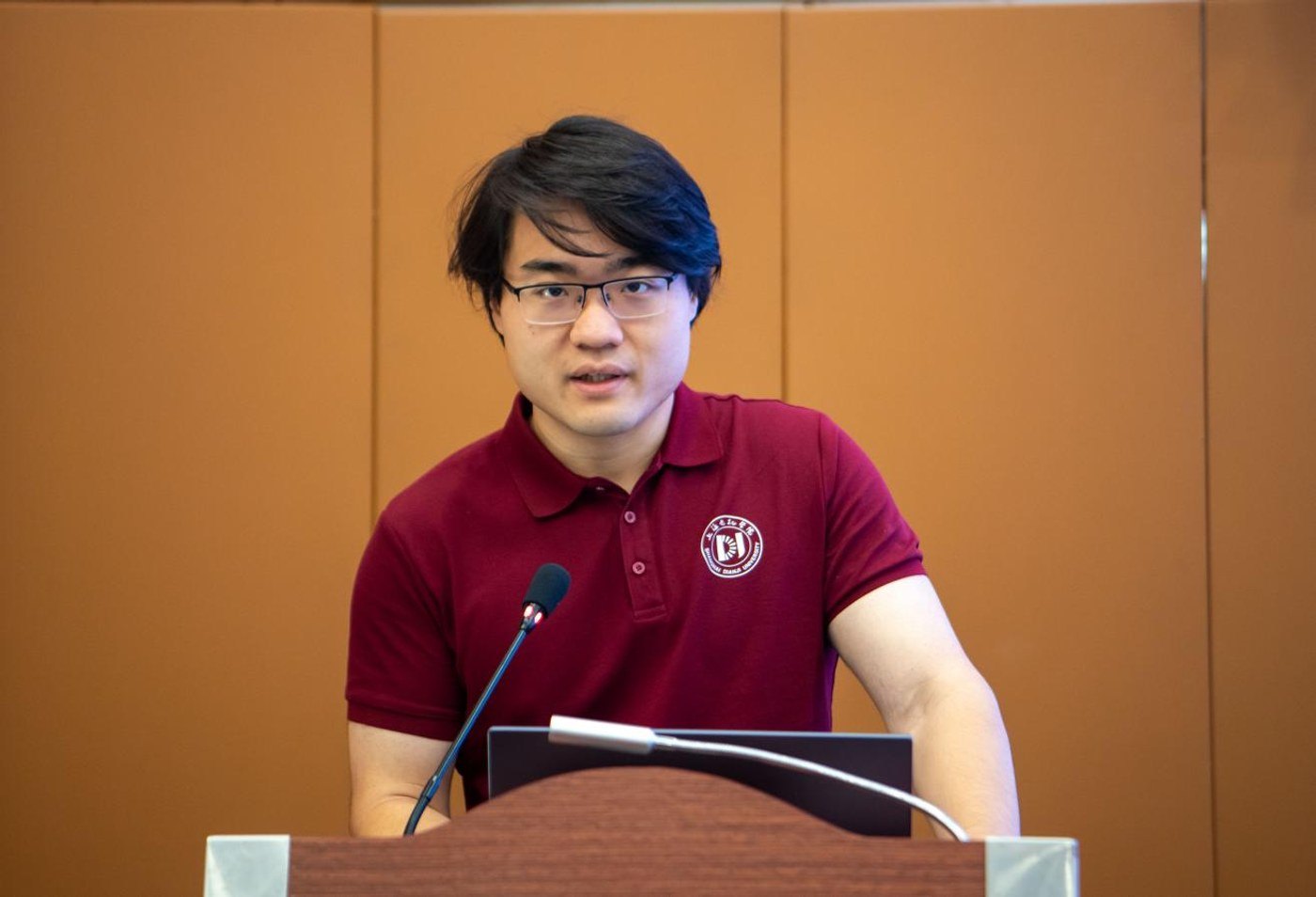
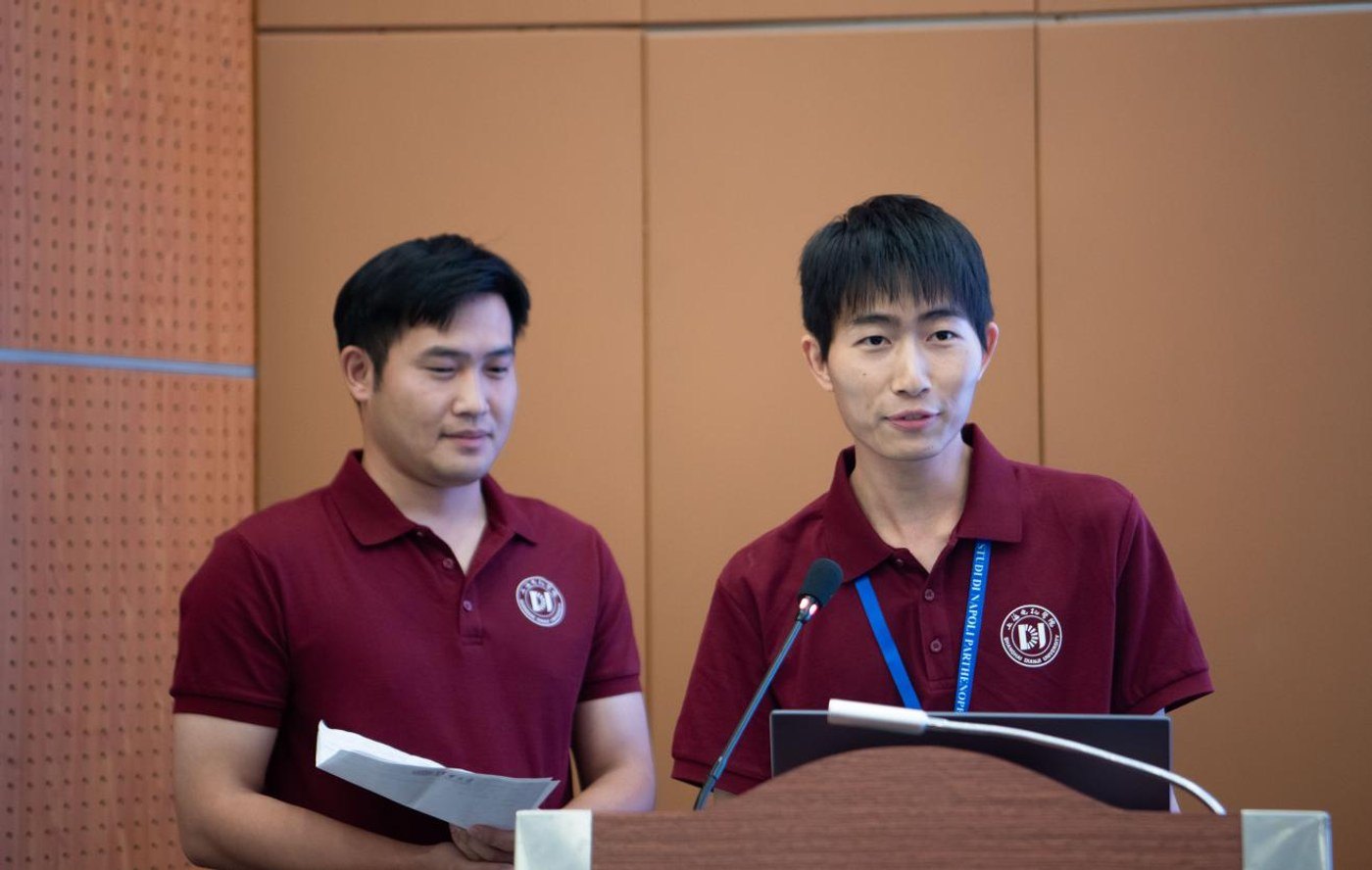
Student representatives delivered speeches first. Chen Hongyu from CNU, Gian Marco Gagliano from UNINA, Vallone Bruna Rosa from UNP, Laura Antonini from UniBg, Liu Jiaxin from Tsinghua, Chen Wei and Li Hongfei from SDJU shared their experiences and reflections on the summer school. They all expressed that the two-week program not only enabled them to gain a deeper understanding of China’s history, culture, and technological innovation, but also allowed them to build valuable friendships and develop cross-cultural communication skills through collaboration with international peers.

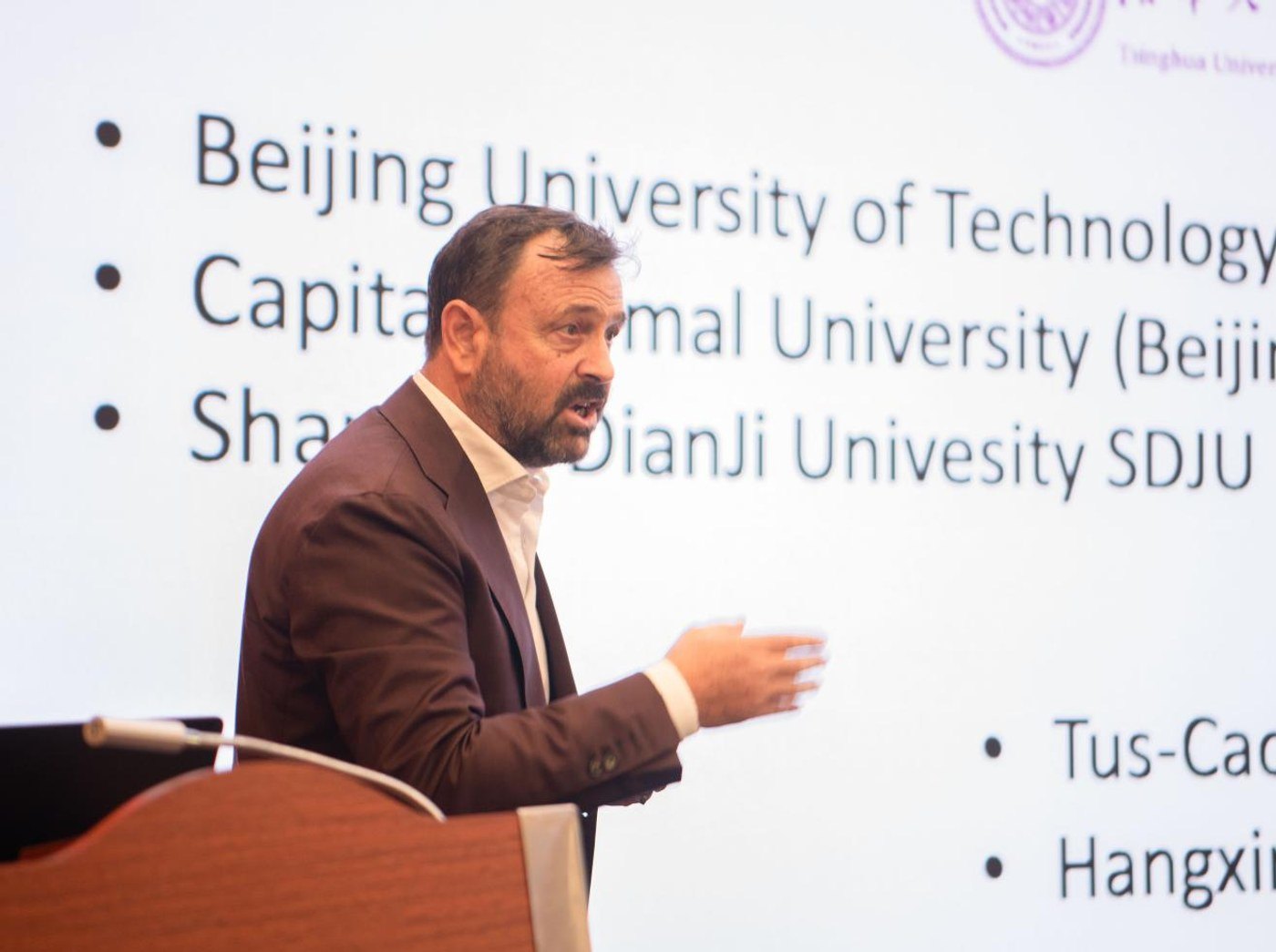
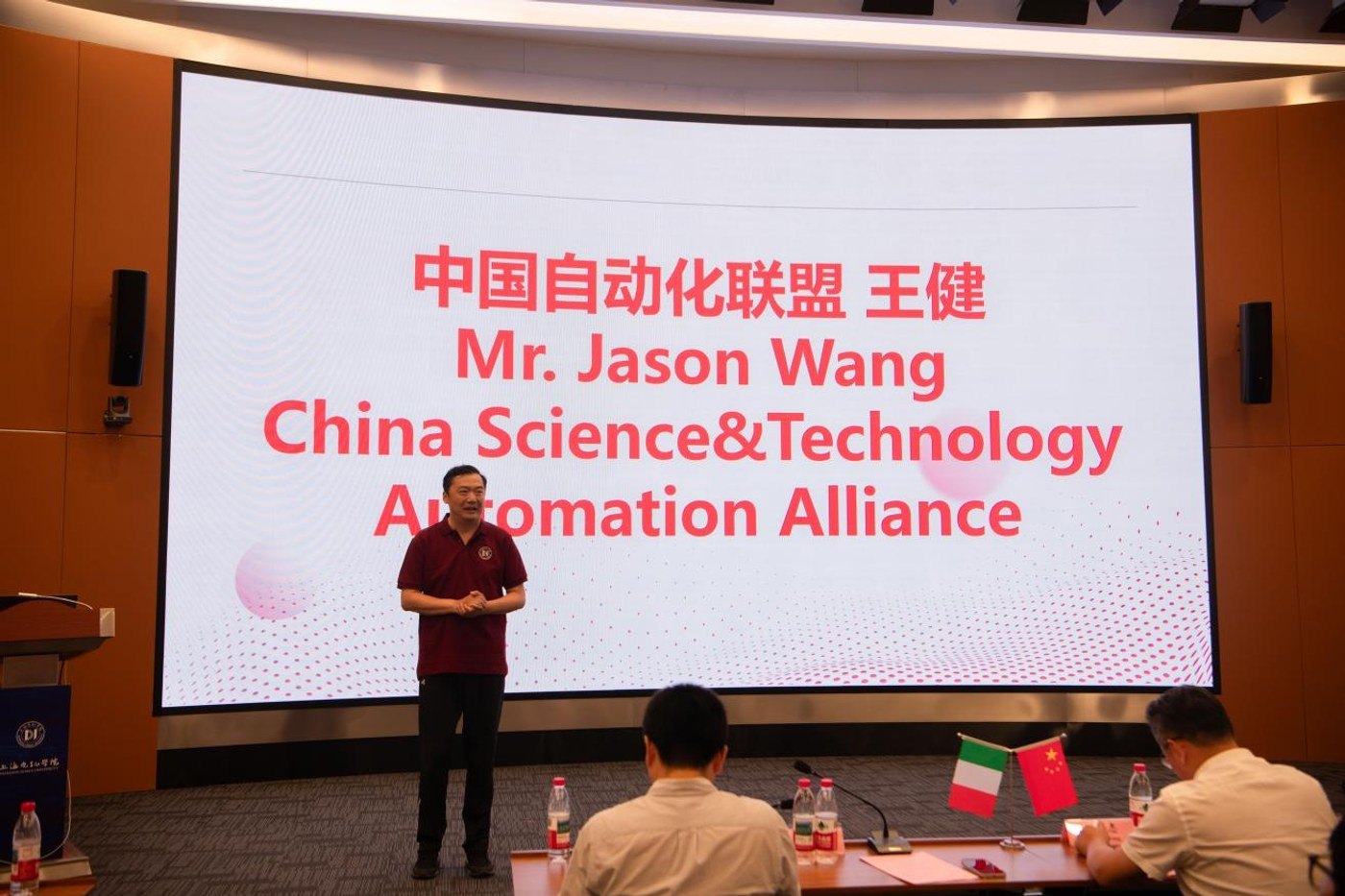
During the faculty representative session, UNINA Professor Giovanni Breglio, as the director of CI-LAM, introduced the history and development of CI-LAM to the audience. He reviewed the lab’s significant milestones since its establishment in 2017, when it was jointly initiated by Tsinghua, UniBg, and UNINA. He highlighted CI-LAM’s role as a bridge in promoting collaboration among Chinese and Italian universities and enterprises in areas such as smart manufacturing, Industry 4.0, and robotics. He also emphasized the importance of the summer school, one of the earliest exchange programs organized by the lab, in cultivating the next generation of advanced manufacturing professionals. Professor Wang Jian, CSAA founder, spoke highly of students’ active participation and outstanding performance, expressing his hope that the CI-LAM platform would continue to serve as a bridge for academic exchange and cooperation among young scholars and students from China and Italy.
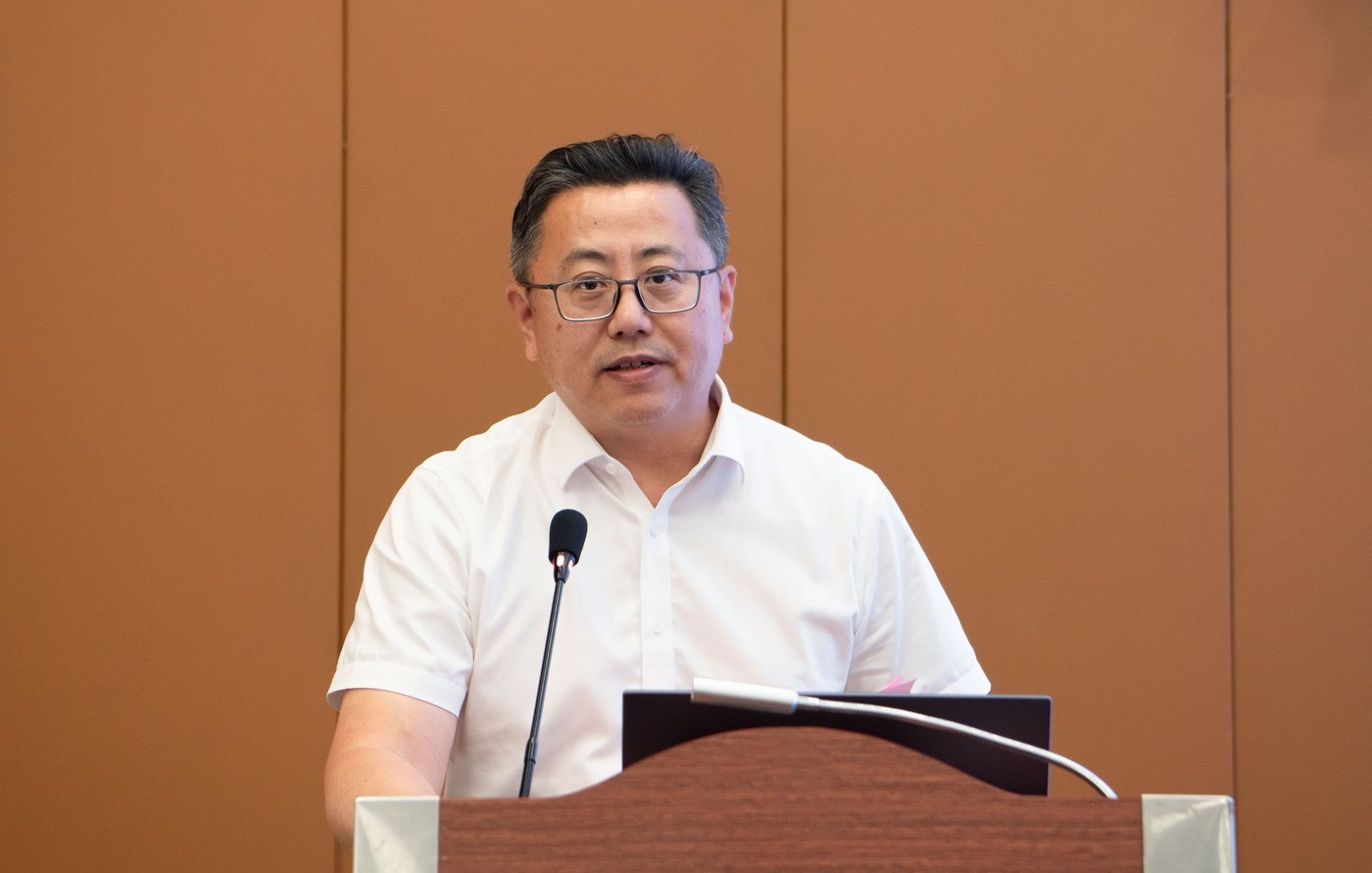
In his closing remarks, Vice President Wang delivered a speech on behalf of our university. He reviewed the remarkable two-week journey undertaken by Chinese and Italian faculty and students across Beijing and Shanghai—from the profound history of the Forbidden City to Shanghai’s dynamic innovation, from industry-education integration in Lin-gang to hands-on exploration in enterprises. He noted that what made him most proud was not simply what the participants had seen, but what they had built together: students from different countries and with different languages had forged friendships through collaboration and sharing, which represented the true value of CI-LAM. He encouraged the students to bring the experiences and connections gained from this journey back to their home countries and become young professionals capable of bridging cultures and working together across borders.
Subsequently, Vice President Wang, CSAA Professor Wang Jian, UNINA Professor Giovanni Breglio, and CNU Associate Dean Shao Zhenzhou jointly presented certificates of completion to participants and took a group photo.
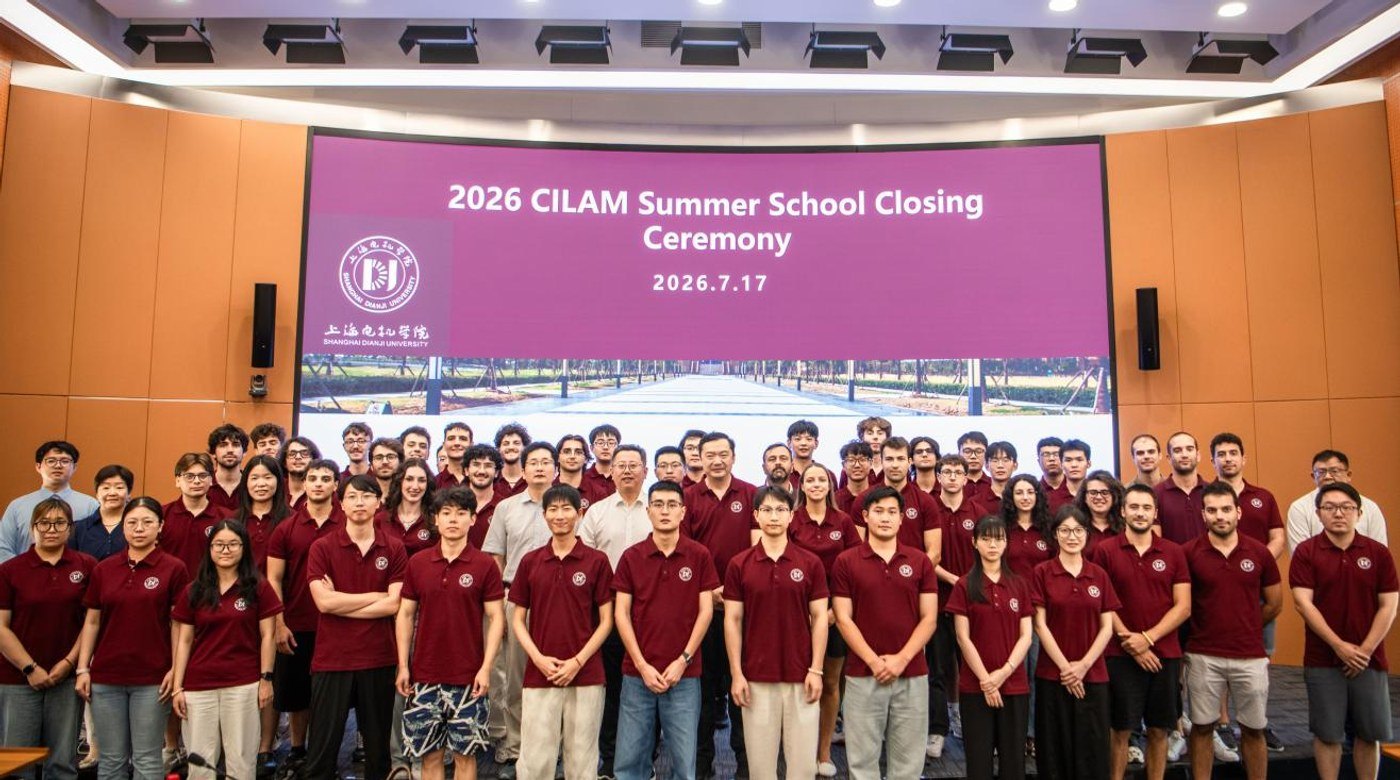
The 2026 CI-LAM Summer School was held in Beijing and Shanghai from July 6 to 17, attracting approximately 60 faculty members and students from multiple Chinese and Italian universities, including Tsinghua, CNU, Beijing University of Technology, SDJU, as well as UNINA and UniBg in Italy. Over the two-week program, Chinese and Italian faculty and students participated in a wide range of activities, including academic courses, enterprise visits, lab practice, and cultural exchanges. From experiencing the profound history of the Forbidden City to exploring the forefront of industrial development in Lin-gang, and from theoretical discussions in classrooms to practical exploration in factories, the participants were happy with unforgettable memories throughout the journey.
As the host institution in Shanghai for the Summer School, SDJU provided strong support to ensure the successful implementation of the program. From the warm welcome ceremony to the heartfelt farewell at the closing ceremony, SDJU as an applied university, showcased its distinctive strengths to Italian faculty and students through its industry-education integration approach. Meanwhile, through collaboration with domestic universities such as Tsinghua and CNU, SDJU further expanded its international cooperation network. The successful organization of this summer school not only provided a platform for young students from China and Italy to learn from and engage with each other, but also laid a solid foundation for SDJU to deepen comprehensive cooperation with CI-LAM member universities in areas such as talent cultivation, scientific research collaboration, and industry engagement.