
To deepen international educational exchange and cooperation, broaden global horizons of its faculty and students, and cultivate outstanding engineering and technical talent with international competitiveness, a delegation of faculty and students from KKIP departed for Germany on August 1, 2025, to begin a 15-day immersive learning and exchange.
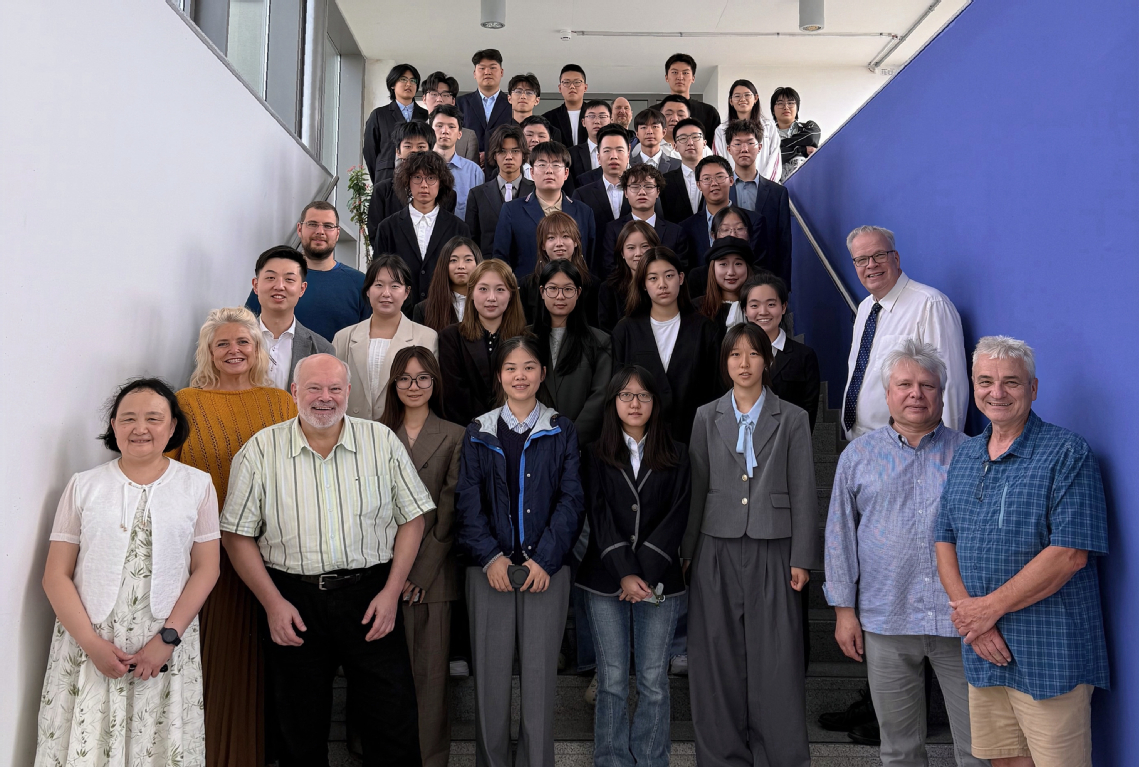
A warm welcome, and further cooperation on the way.
The delegation was warmly received by Kaiserslautern University of Applied Sciences (KUAS). Professor Michael Magin, Vice President, and several other KUAS representatives attended the welcome ceremony. Professor Magin warmly recalled the solid history of cooperation between the two institutions since the beginning of this century, highly praised the profound friendship established through various activities, including the Sino-German cooperative programs and summer student exchanges, and the fruitful achievements in education, teaching, and cultural exchange. He also expressed higher expectations for future collaboration. Wang Muzhou, head of SDJU delegation, expressed sincere gratitude for the warm reception from the German side, introduced the recent development of our university, and articulated a desire to deepen the exchanges and cooperation. The atmosphere at the ceremony was harmonious, and the faculty and students from both sides engaged in friendly conversation.
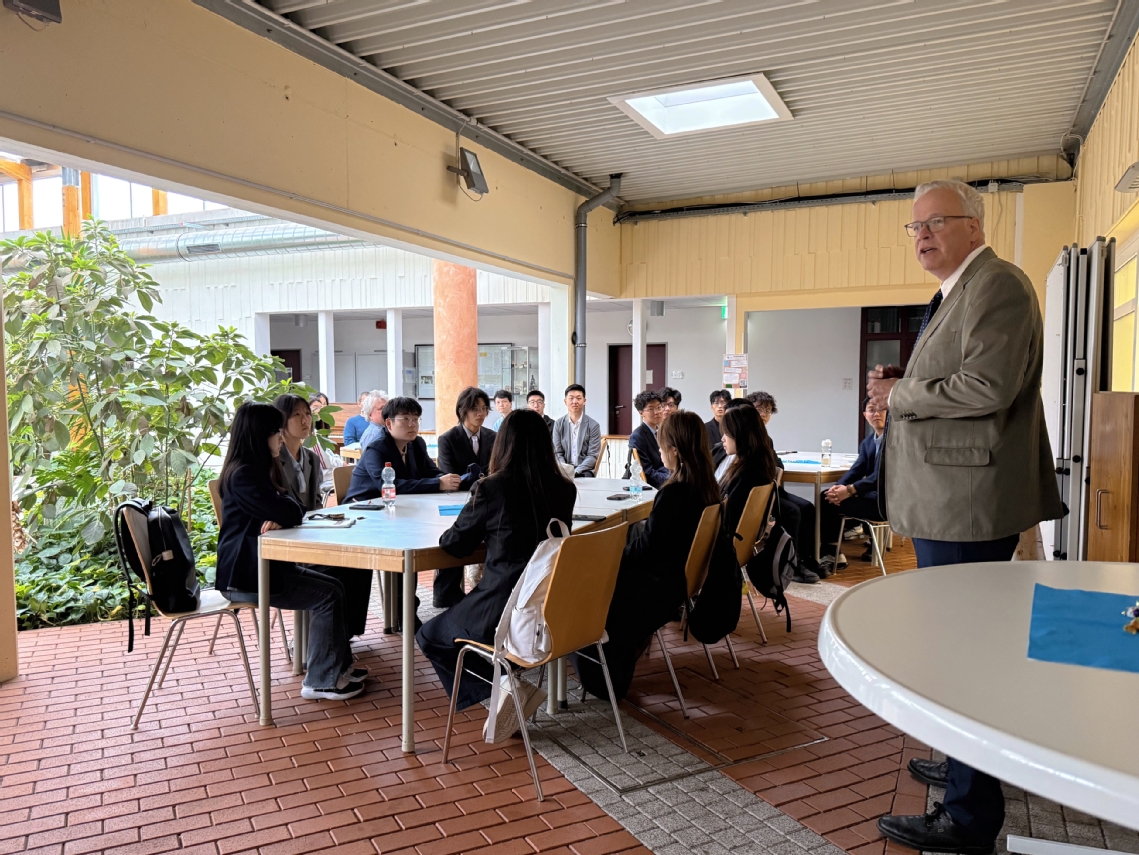
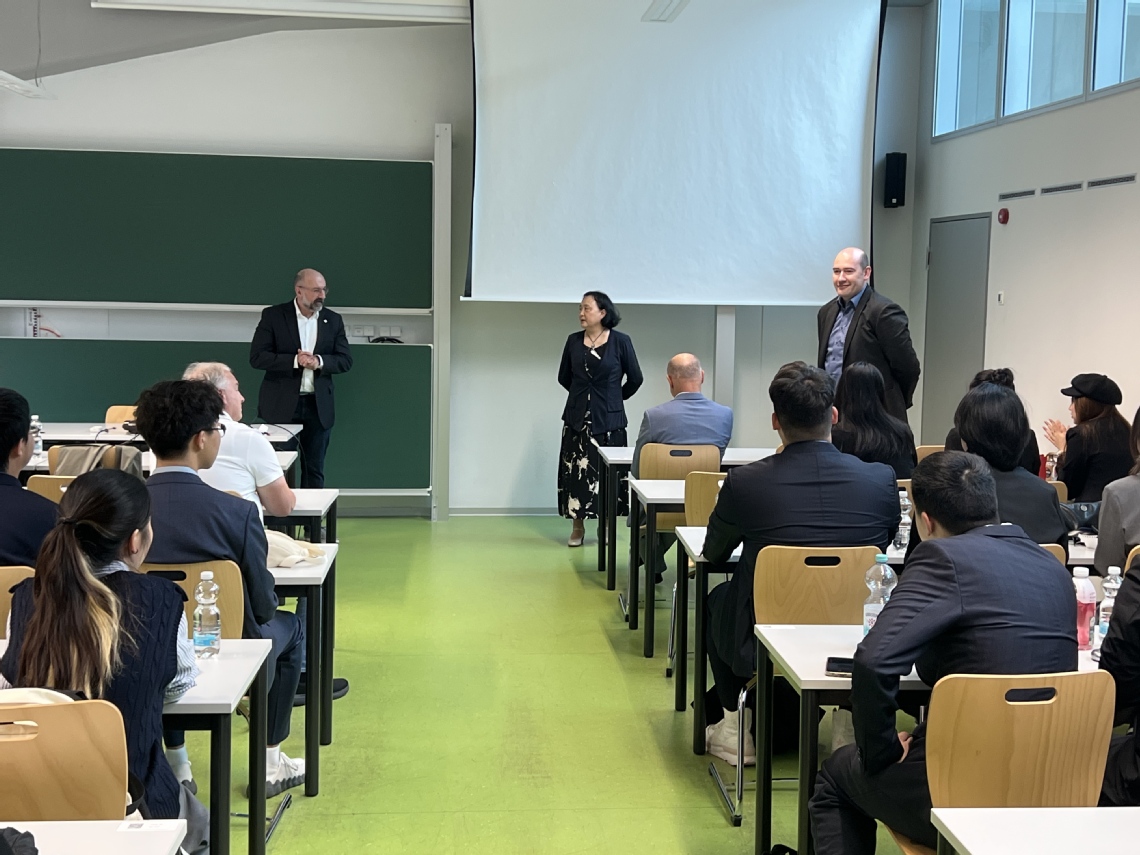
In-depth academic exchange, experiencing German Education
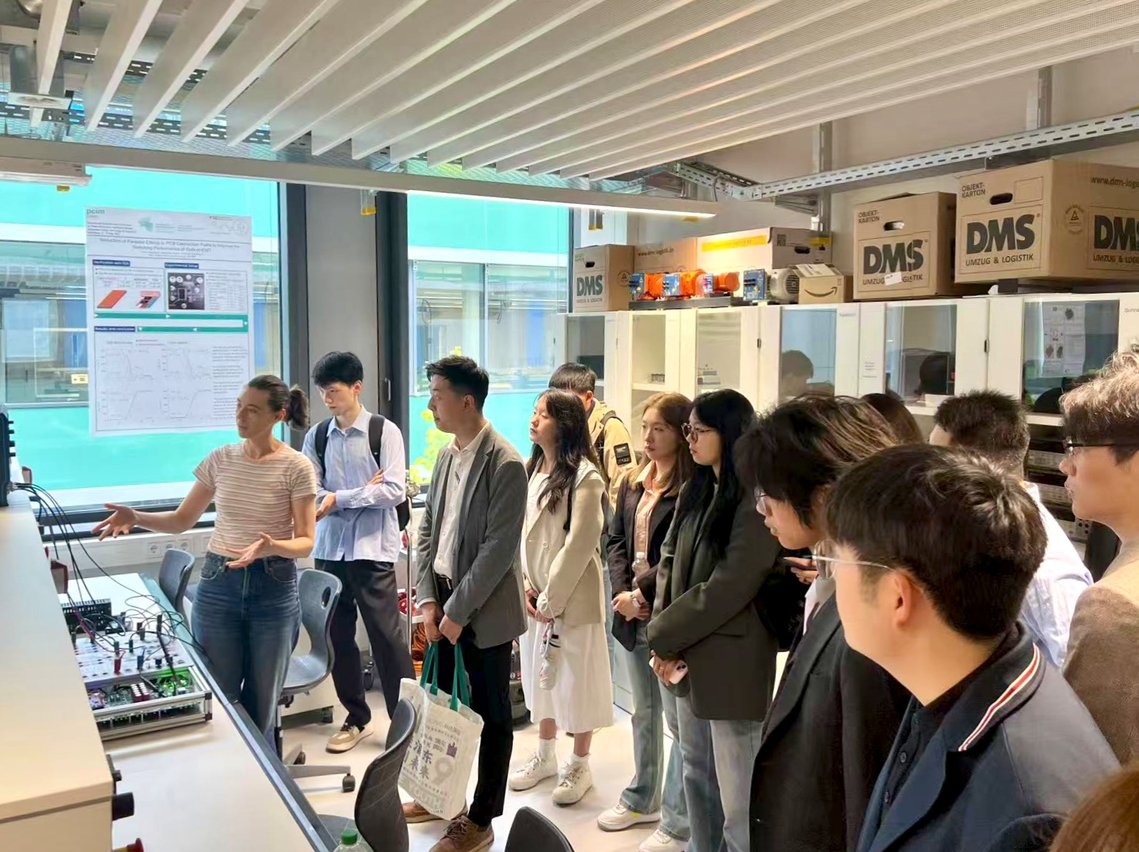
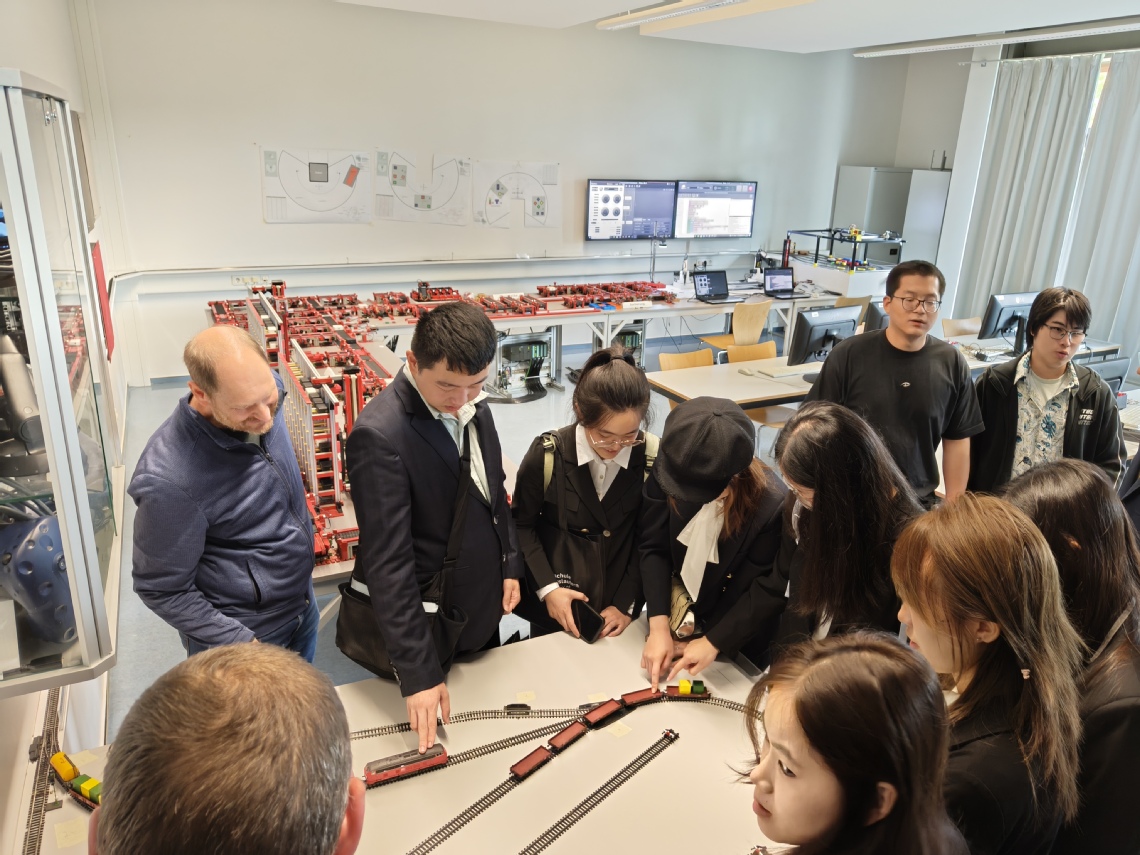
During the academic exchange session, German professors Peetz, Schell, and Kilb provided in-depth lectures on the perspectives of German history, educational models, and professional practice, respectively. Following this, guided by German faculty and students, the delegation toured the Kaiserslautern and Pirmasens campuses, surveyed multiple specialized labs on-site, and observed presentations of group projects completed collaboratively by German students. These activities gave the faculty and students a firsthand, refreshing view of the diversity and high degree of autonomy characteristic of German university education. At the end of the exchange, students from both sides exchanged gifts, symbolizing the continuation of their friendship and cooperation.
Immersive cultural experience by visiting historical heritage
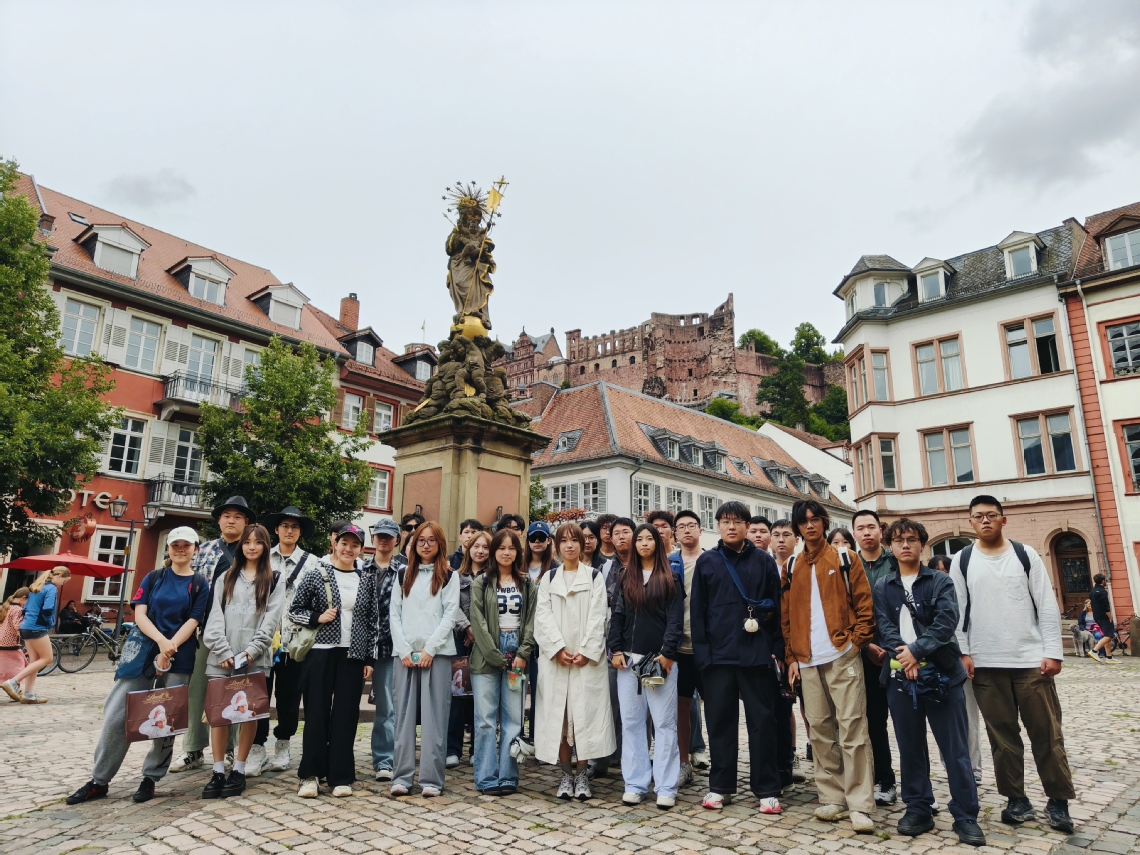
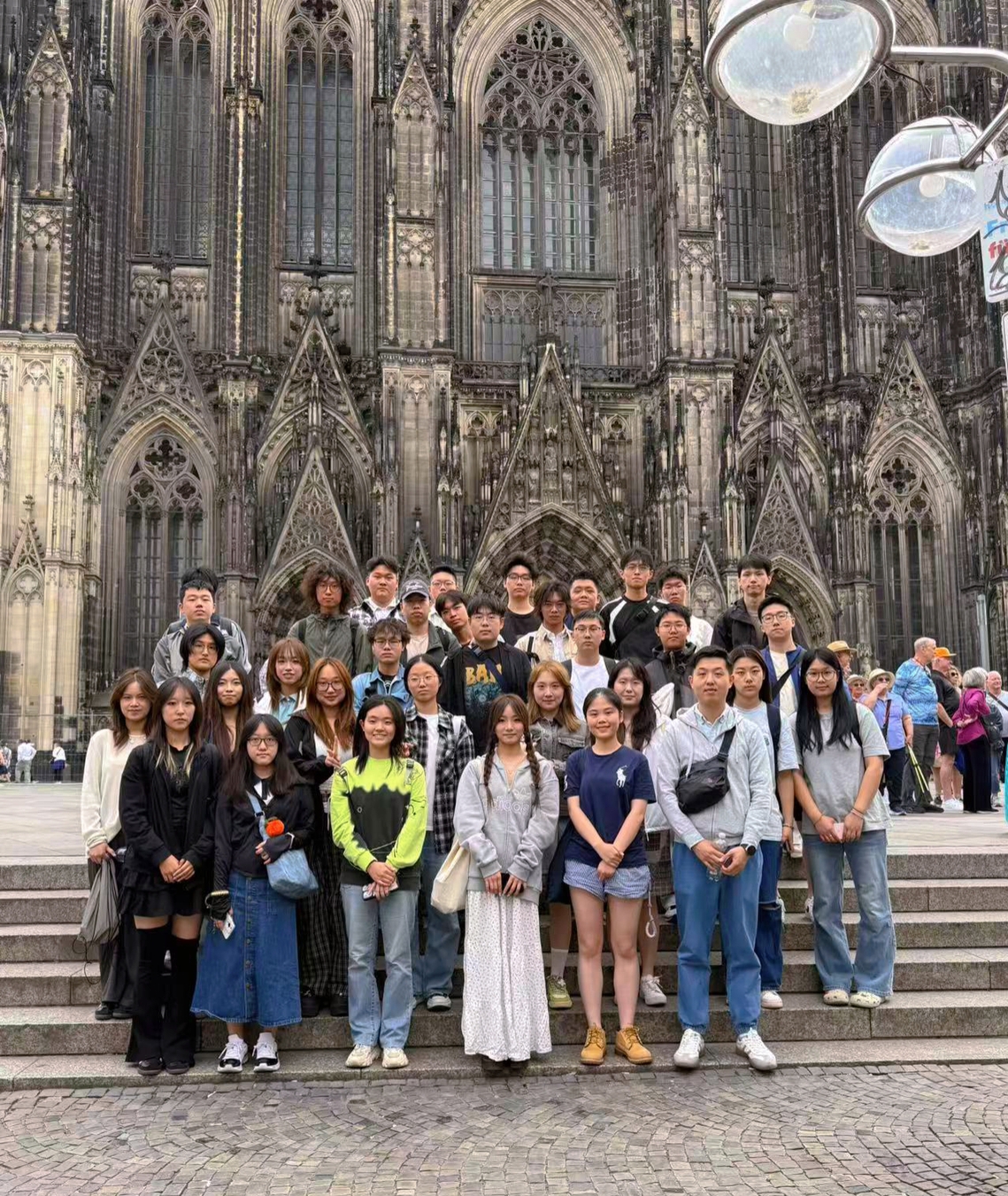
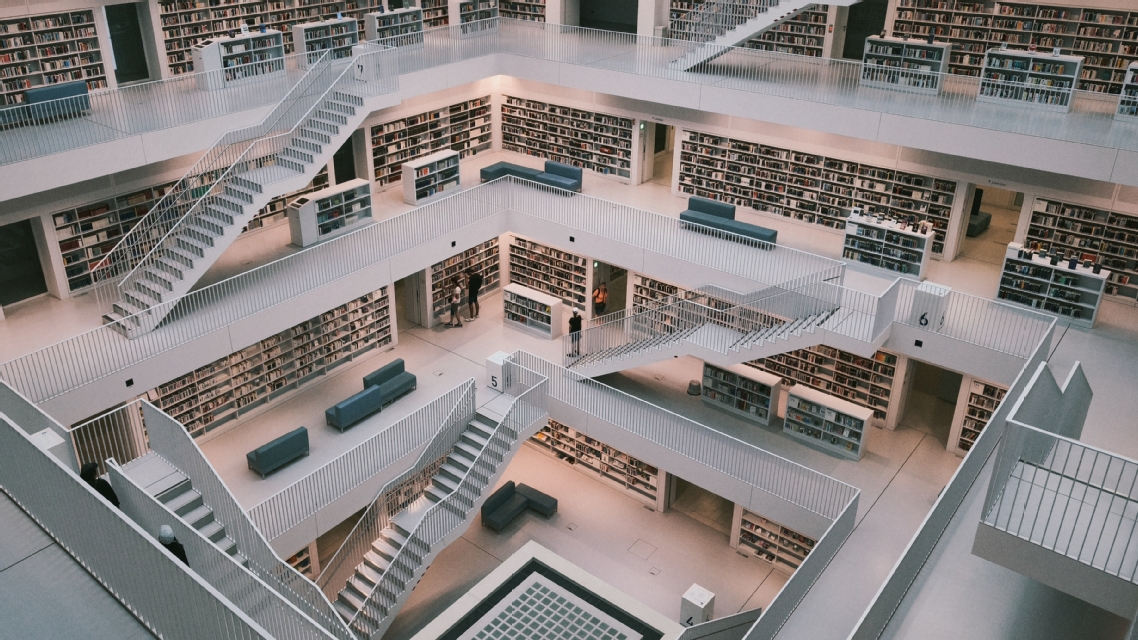
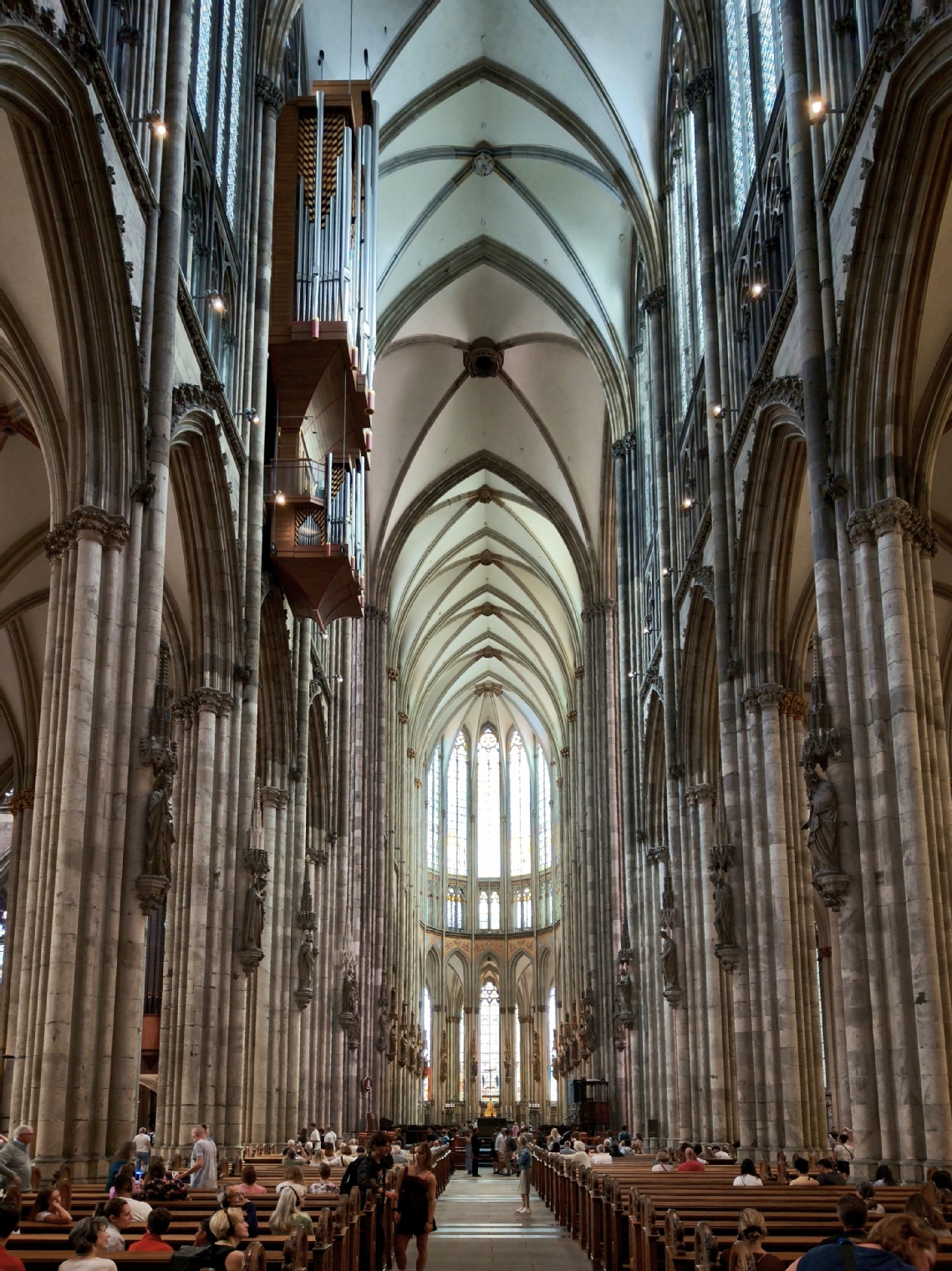
The delegation deeply integrated into local German society, experiencing its unique traditional culture and profound historical heritage. SDJU faculty and students participated in a characteristic German hiking activity and visited iconic landmarks such as the magnificent Cologne Cathedral, the avant-garde-designed Stuttgart City Library, and the historically significant Karl Marx House. These architectural masterpieces, which blend European style with historical depth, fully showcase Germany’s exquisite craftsmanship and architectural art, greatly enhancing the faculty and students’ understanding of and interest in German culture. At the exchange session, senior students studying in Germany shared valuable study and life experiences, resulting in enthusiastic on-site interaction and a warm atmosphere.
Into the forefront of intelligent manufacturing and grasping pulse of the future
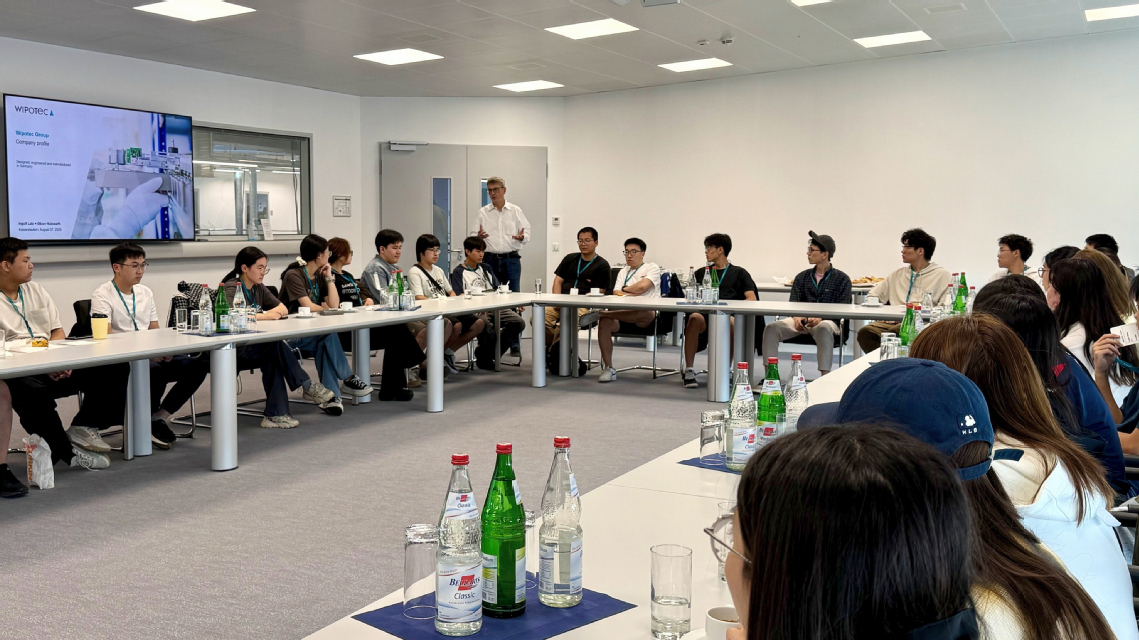
The delegation also delved into advanced German manufacturing enterprises for professional practical learning. The faculty and students visited industry leaders such as Wipotec (known for its high-precision weighing and inspection tech) and Adient (a globally leading automotive seating supplier), getting a zero-distance view of the real-world application scenarios of intelligent manufacturing technology. Through in-depth discussions with on-site engineers, the delegation gained a clear understanding of Germany’s latest developments and cutting-edge practical cases in the field of Industry 4.0, effectively raising their professional knowledge and practical competence.
This summer exchange to Germany represented a vivid practice of SDJU in deepening its internationalization strategy and advancing its technology-based, application-oriented philosophy. It consolidated the foundation of cooperation between the two institutions, promoted academic learning and cultural integration, precisely aligned with our university’s objectives of serving advanced manufacturing and cultivating outstanding field engineers with international competitiveness, and injected new momentum into our university’s ongoing efforts to build a national pilot of applied technology university with aerospace characteristics.