
In the summer 2025, with a passion for knowledge and the courage to explore, 75 SDJU undergraduates traveled to Germany, Japan, the United States, Finland, France, and Hungary for a series of diverse overseas study and exchange activities. The programs included the summer exchange at Kaiserslautern University of Applied Sciences in Germany (KUAS), the short-term exchange at National Institute of Technology(KOSEN), Wakayama College (Wakayama Kosen) in Japan, summer courses at University of Northern Iowa (UNI) and the University of Texas at Austin (UT), AI and Business Innovation at USC Marshall School of Business, the entrepreneurship and business program at the University of Oulu (UO) in Finland, the ESTIA smart industry program in France, and a summer school at Budapest Metropolitan University (METU). These initiatives were key measures to implement SDJU philosophy of rooted in Lin-gang, based in Shanghai, radiating to the Yangtze River Delta, and serving global advanced manufacturing. They also served as a vivid practice of the Six-Dual Excellent Field Engineer Training Model (dual training systems, dual teaching teams, dual competences, dual learning scenarios, dual certificates, and dual development channels). Through these overseas programs, students not only broadened their international horizons but also enhanced their engineering practice and innovation, cross-cultural communication, and teamwork abilities, laying a solid foundation for becoming excellent, practice-rooted on-site engineers capable of solving complex engineering technical problems.
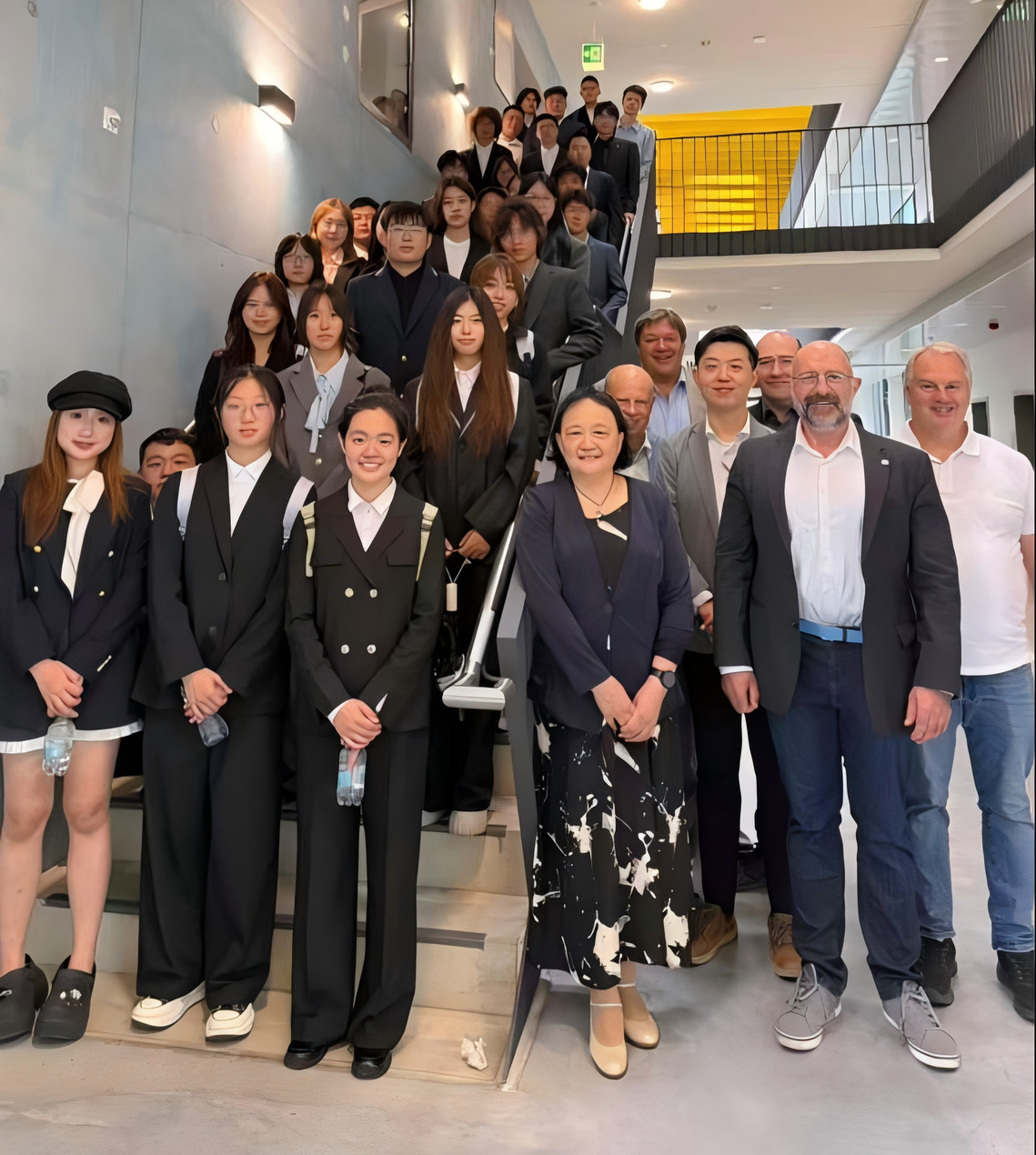
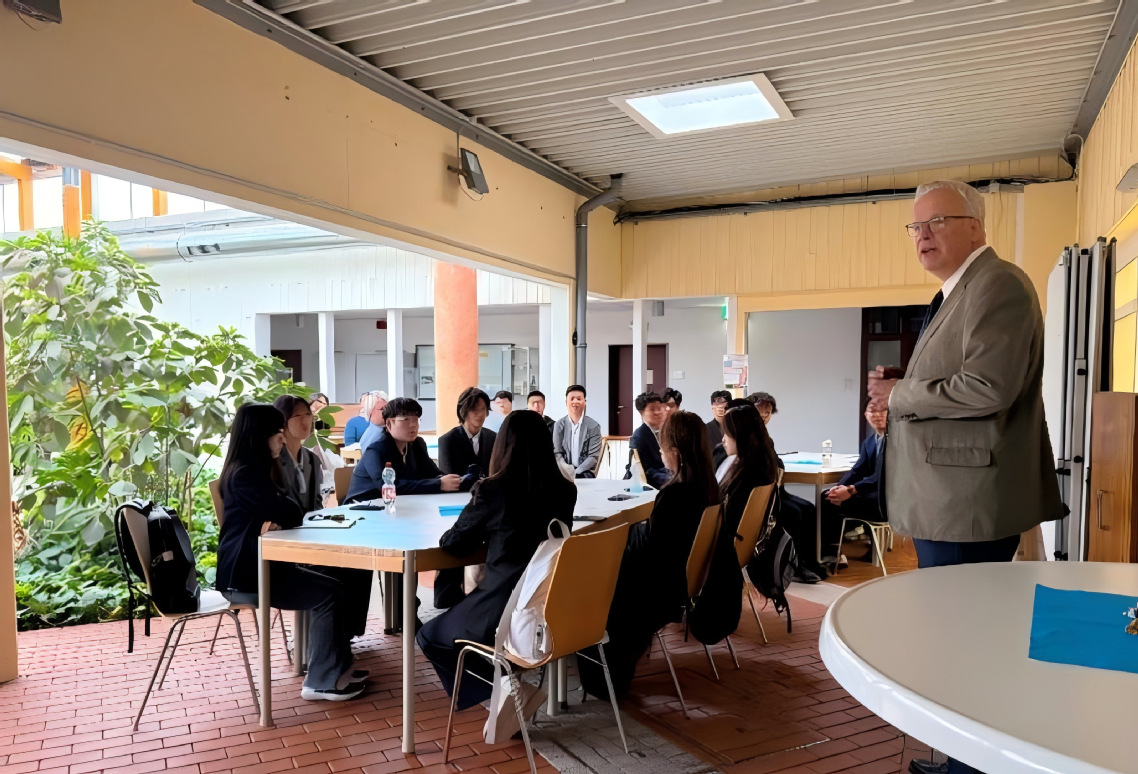
In Germany, 34 students participated in a 15-day KUAS summer exchange. The program included specialized lectures on German history and educational models, visits to professional labs, Industry 4.0 enterprise practice, and visits to cultural landmarks. Students and faculty toured leading intelligent manufacturing companies like Wipotec and Adient, gaining firsthand exposure to high-precision inspection and advanced automotive seat manufacturing technology. Cultural activities included hiking, visiting Cologne Cathedral, the Marx House. These experiences consolidated cooperation between the two universities, promoted academic and cultural exchange, and directly aligned with SDJU goal of nurturing globally competitive excellent field engineers who serve advanced manufacturing.
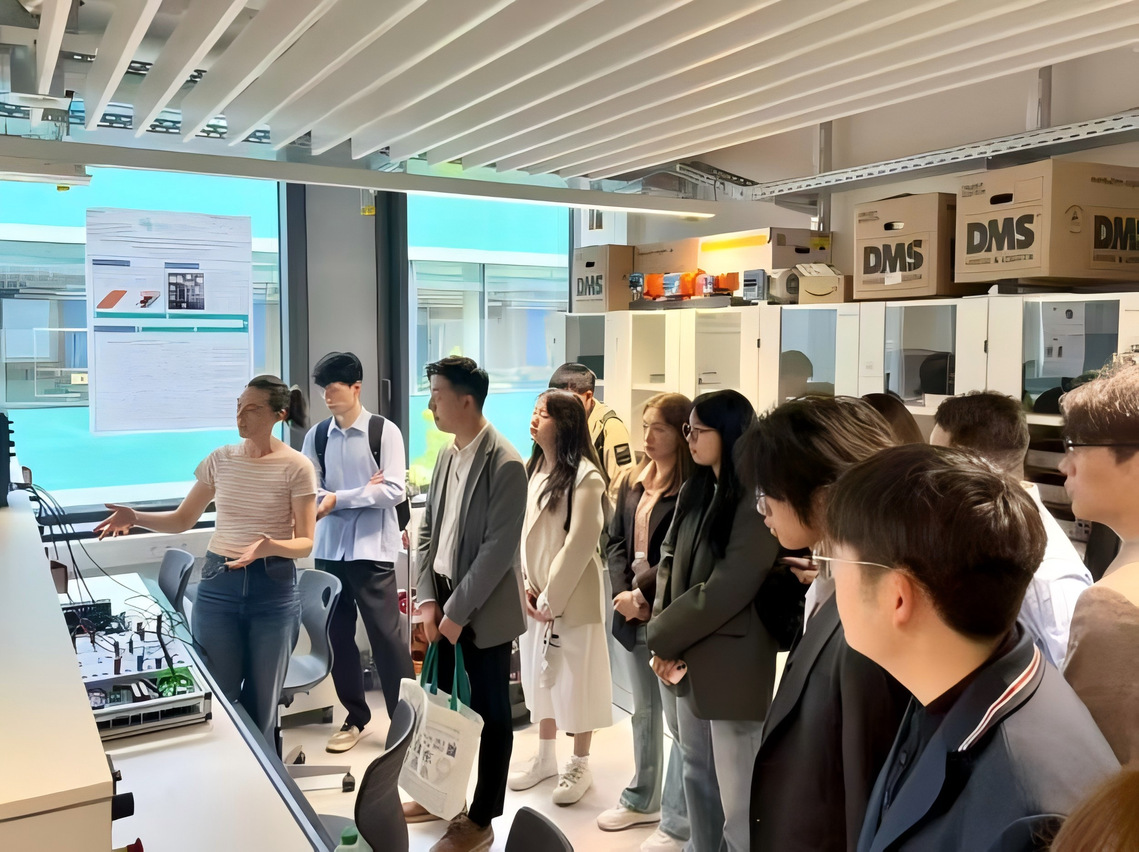
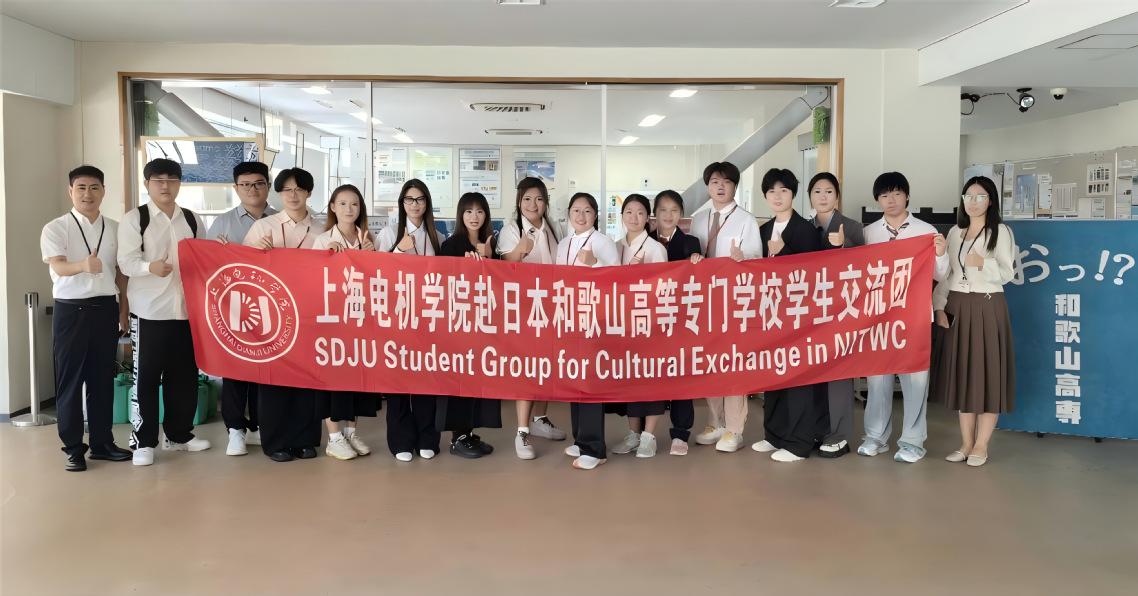
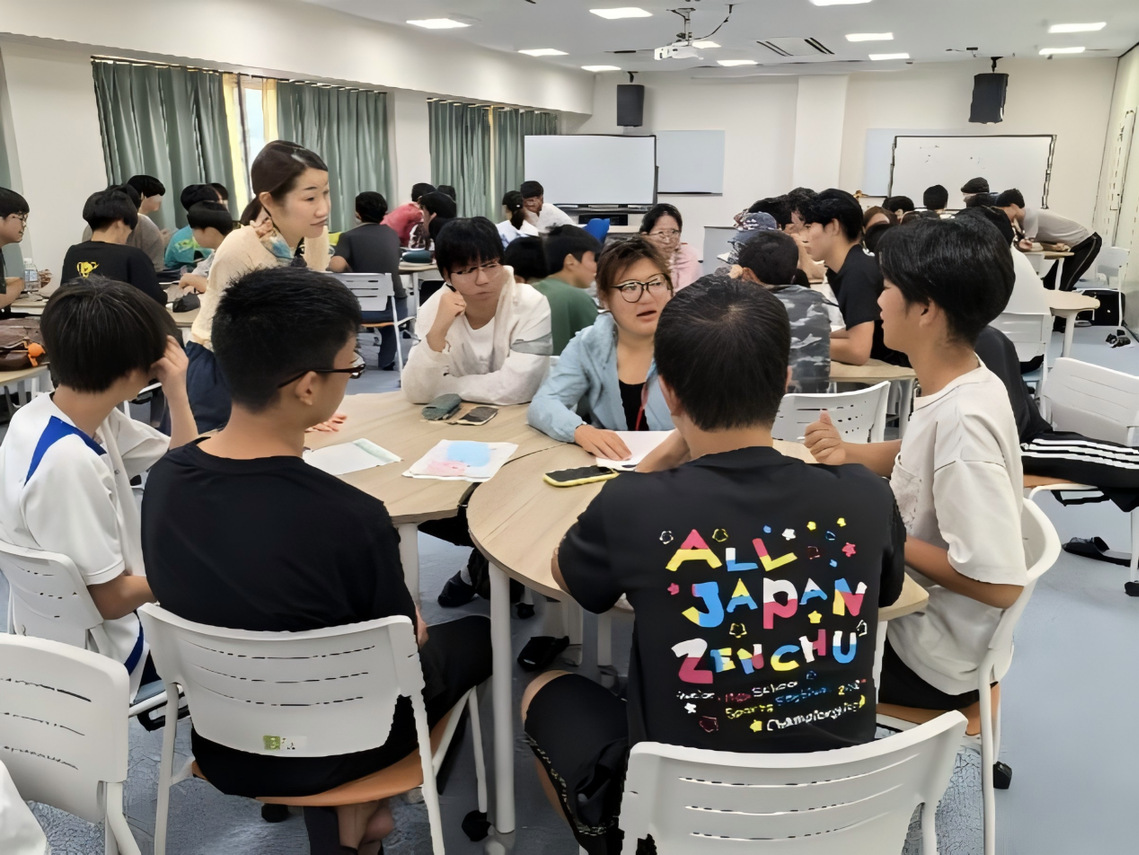
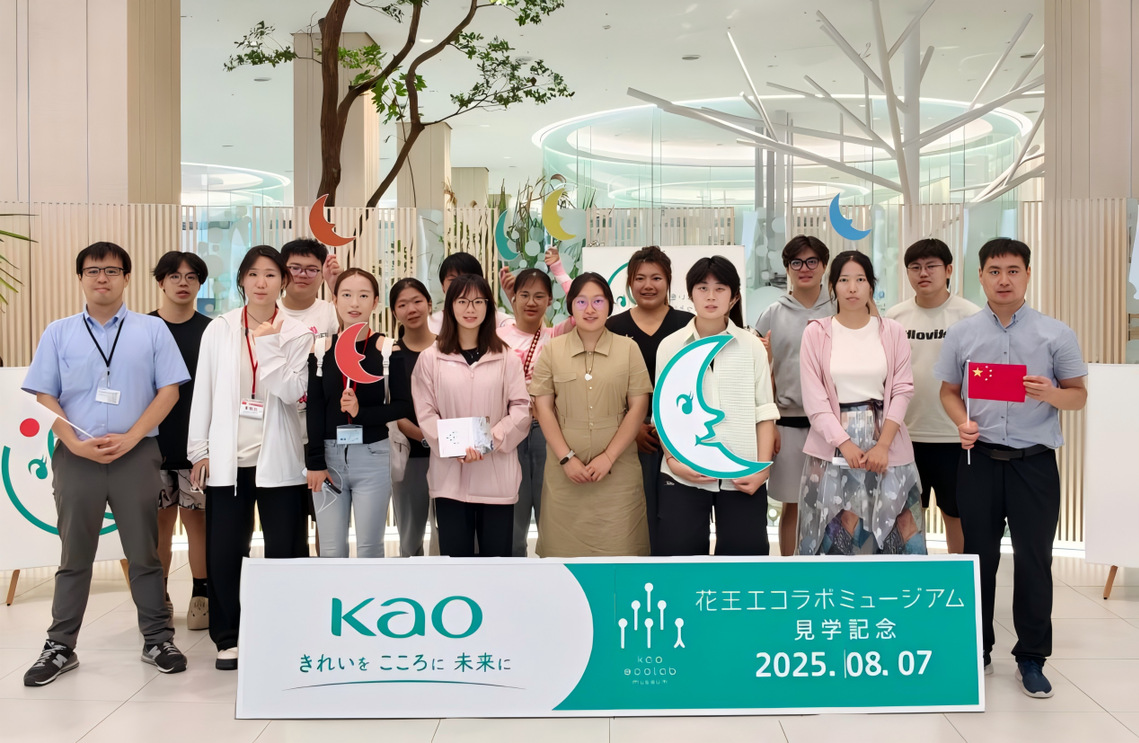
In visit to Japan, 6 students traveled to Wakayama Kosen for a short-term exchange. The program covered professional courses in electrical engineering, intelligent manufacturing, chemistry, and biology experiments, as well as language and culture courses, professional practice, and traditional cultural experiences such as tea ceremony, Yuzen dyeing, and Kishu luminous shell polishing. SDJU students also visited Kao eco-friendly factory, deepening their understanding of lean manufacturing and environmental protection technologies. Through deep interactions, students broadened their international perspectives and through comparative and critical thinking, they deepened their understanding of their professional fields. This program not only allowed students to truly experience the deep integration of craftsman spirit and engineering practice, but also represented a successful extension of our university’s industry-education integration training mechanism at the international level.
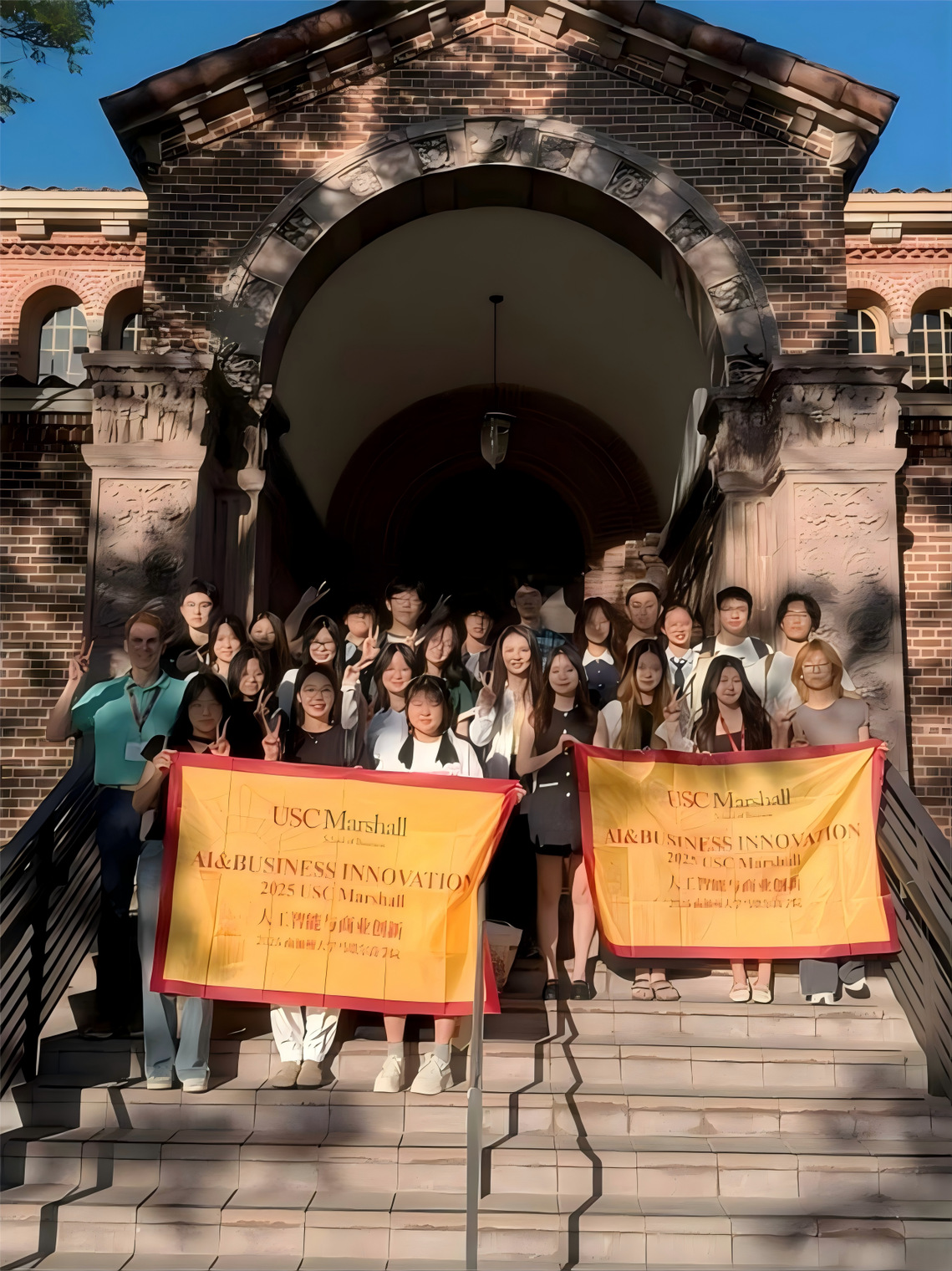
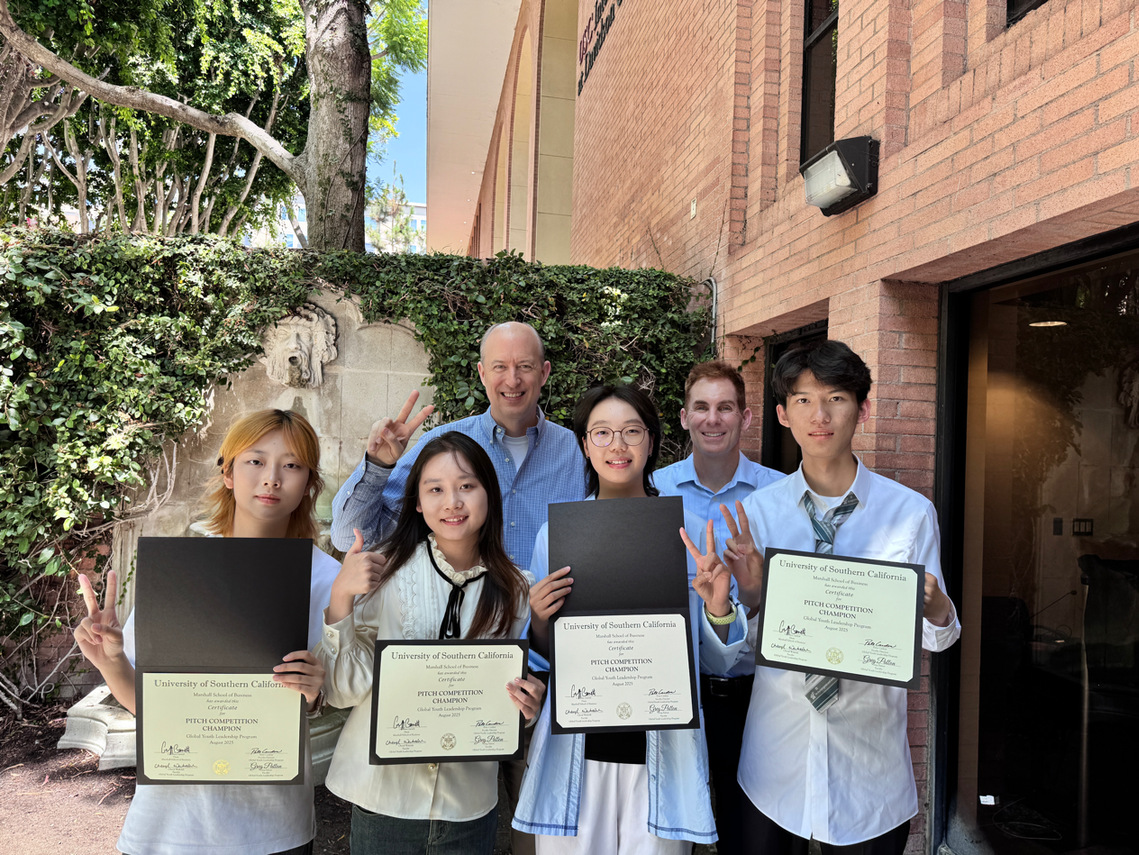
And 11 students participated in U.S. programs at USC Marshall, UT, and UNI. The AI and Business Innovation program of USC Marshall centered on AI-driven commercial innovation, where students systematically studied AI applications across various business sectors, enhancing their business design and teamwork skills through design thinking workshops and competitions. The UT program strengthened students’ language and programming skills via courses in spoken communication, Python programming, and academic writing, with site visits, including the NASA Space Center, further inspiring interest in intelligent technology application. This effectively built the essential language and engineering practice capabilities required for international engineers in fields like industrial robotics and integrated circuits.
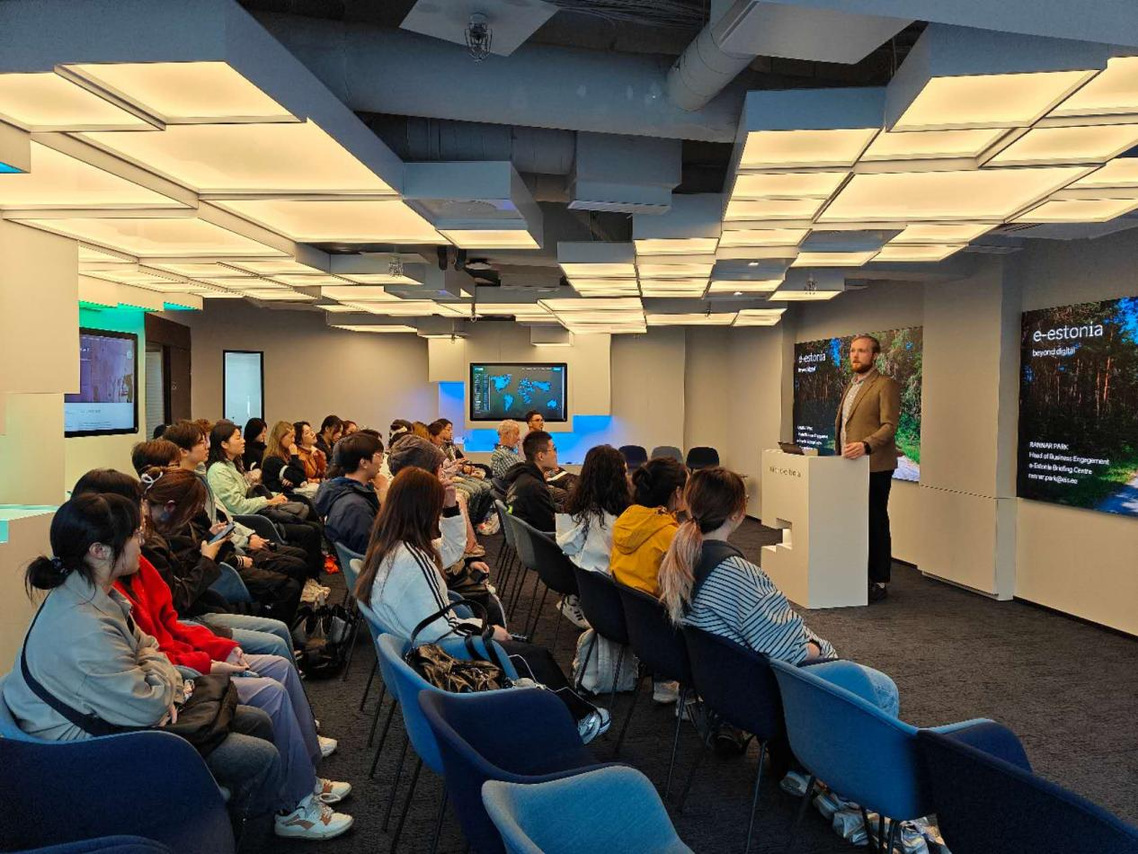
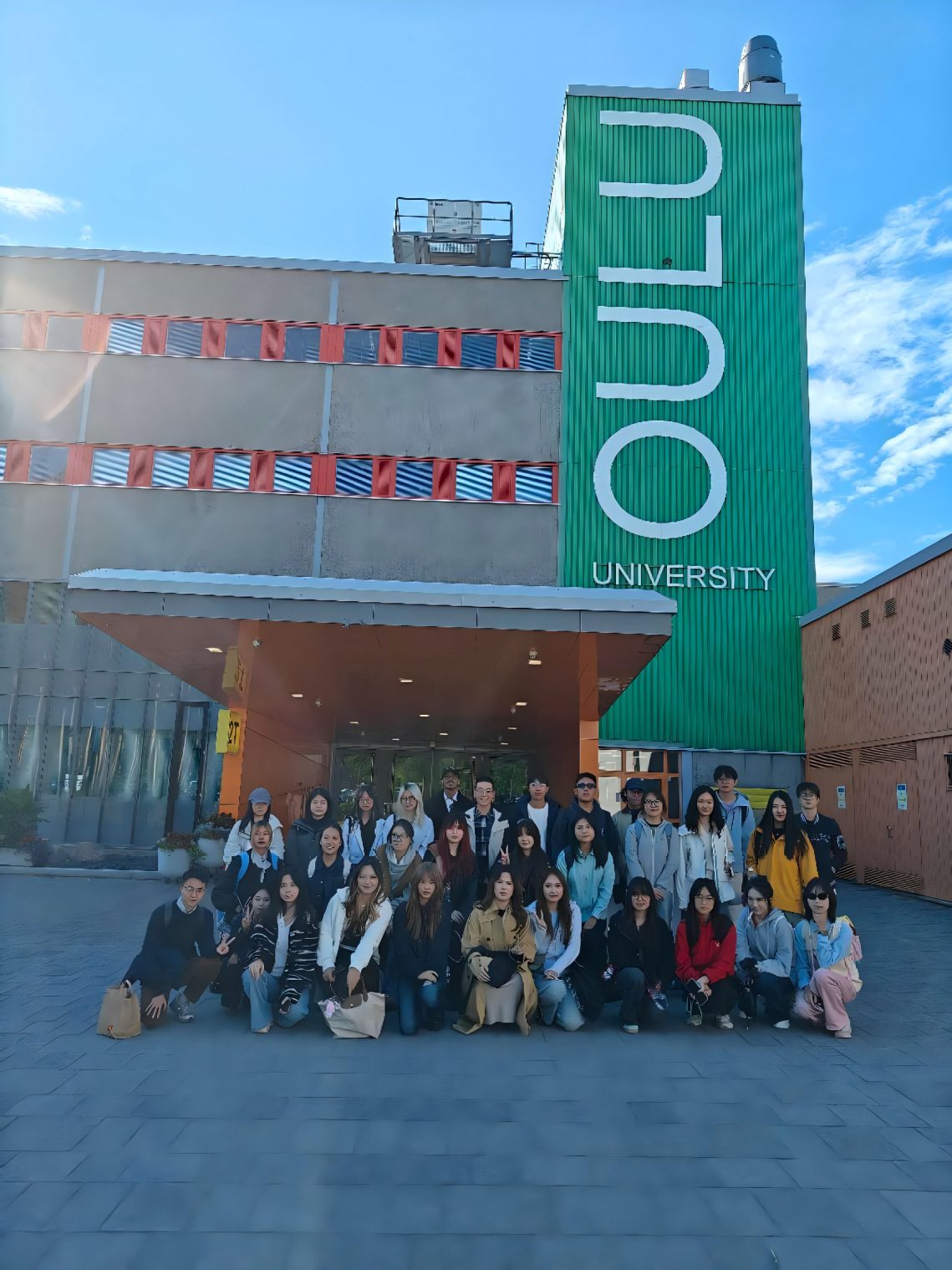
Regarding the visit to Finland, 2 SDJU students participated in the entrepreneurship and business program at UO. The program featured lectures on innovation models, visits to famous local gaming companies like FingerSoft, a tour of the Helsinki Design Museum, and a digital-themed lecture on e-Estonia. By experiencing the sustainable development concepts and digitalization of Nordic society, students significantly boosted their innovation and entrepreneurship awareness, cross-cultural communication, and teamwork skills, establishing a foundation of soft power for their future roles as compound talents focused on both technology and management.
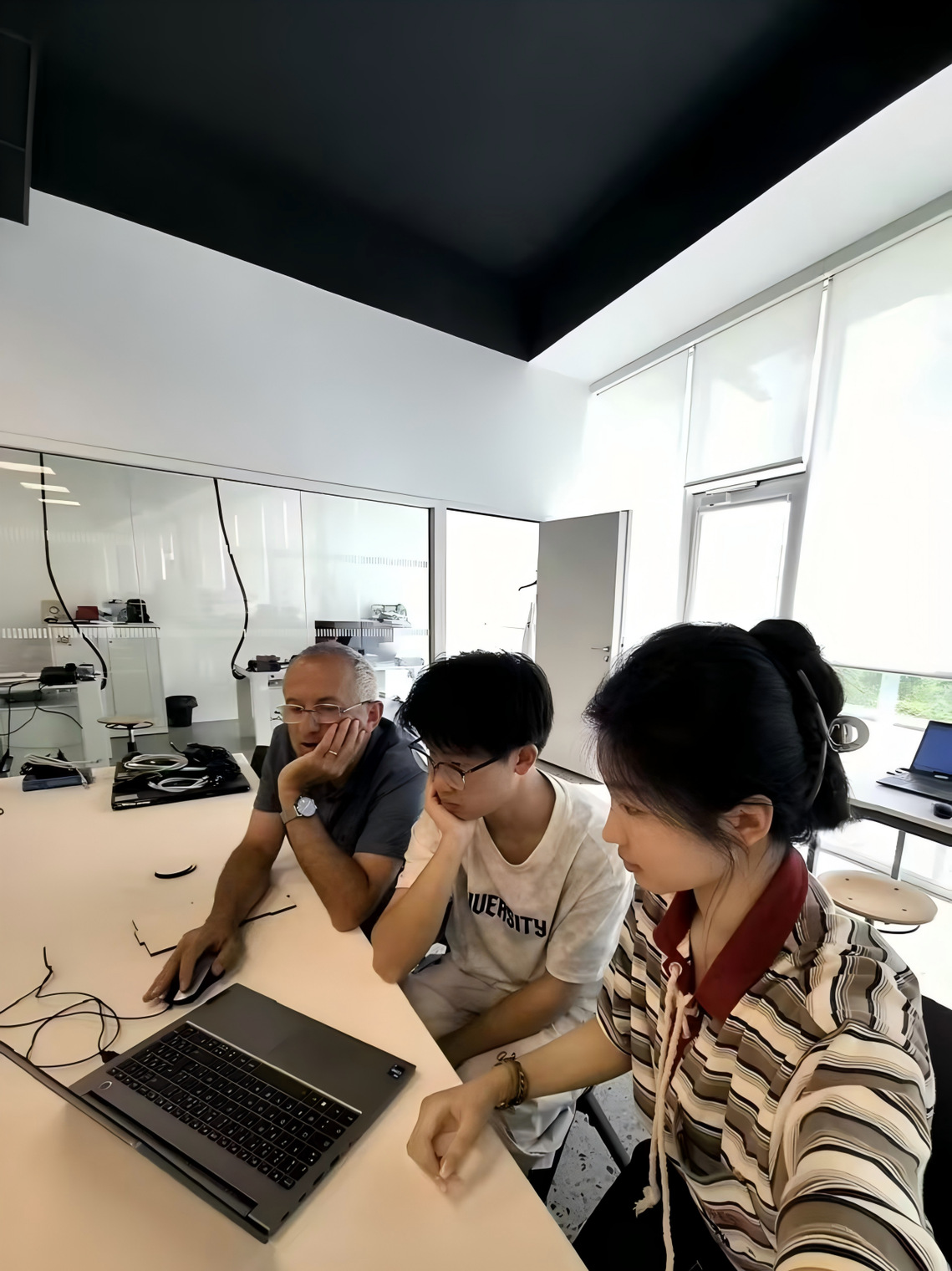
Three students went to France and participated in the ESTIA smart industry program, focusing on the full process of smart product design, including requirements analysis, 3D modeling, and printing, culminating in the hands-on creation of smart coasters. The program also allowed students to experience the seaside culture of Biarritz, the aerospace and aeronautical industry of Toulouse, and the artistic atmosphere of Paris. This interdisciplinary learning effectively exercised their engineering practice and innovation capabilities, embodying SDJU’s goal of training students to be adept at solving complex engineering technical problems and showcasing the vital role of dual learning scenarios and dual competences in cross-disciplinary integration.
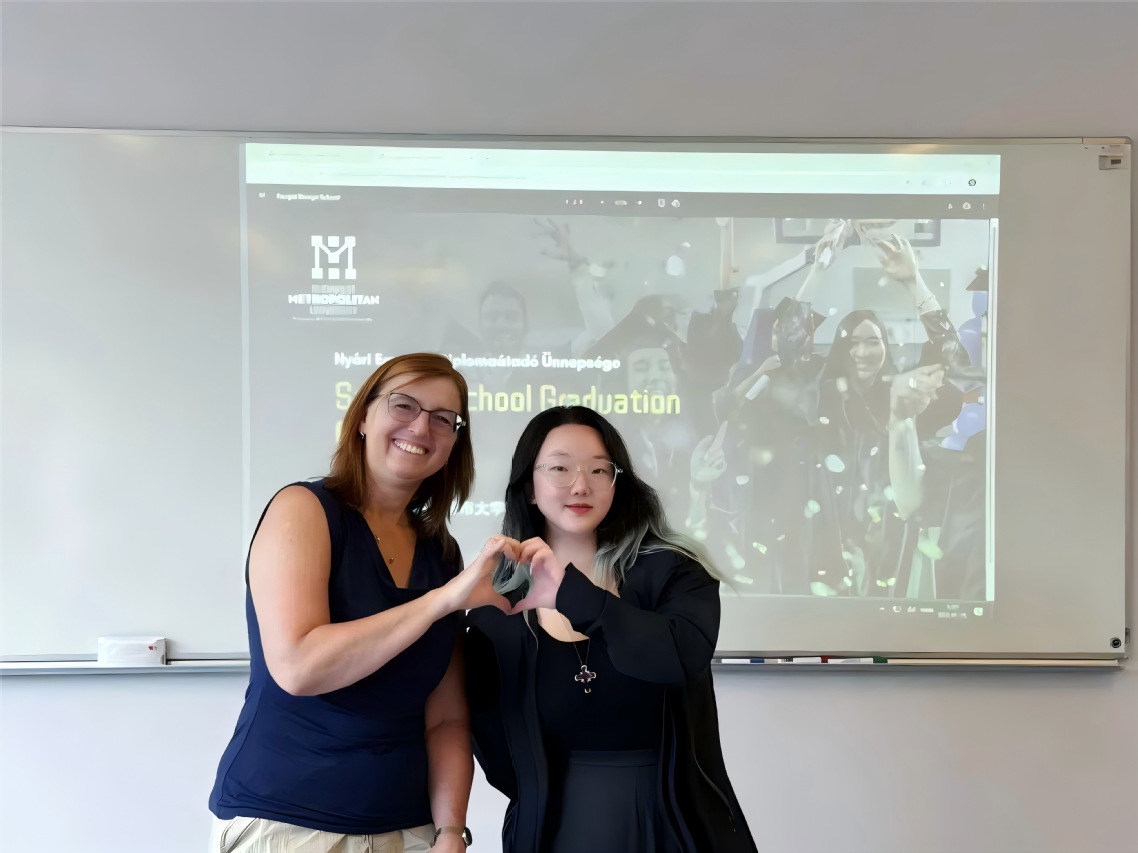
Five students attended METU summer school, centered on European urban history and culture. Senior faculty guided students in deep discussions on Central European culture. Outside the classroom, students visited cultural landmarks like St. Stephen’s Basilica and Fisherman’s Bastion and experienced cultural activities such as a Danube River night cruise. This program effectively enhanced students’ humanistic literacy and cross-cultural understanding. Students recognized that effective communication is the cornerstone of teamwork, concluding that this soft power—the ability to understand, respect, and integrate different cultural backgrounds—is equally important to their professional hard power for future on-site engineers engaged in project management and international technical collaboration.
The 2025 overseas summer programs not only broadened participants’ international horizons but also comprehensively enhanced their engineering practice, innovation, cross-cultural communication, and teamwork skills, marking a vivid international practice of SDJU’s outstanding field engineer training model. SDJU will continue to deepen its international talent cultivation strategy and expand quality overseas cooperation programs, building a broader platform to train excellent on-site engineers for global advanced manufacturing, thus contributing SDJU wisdom and strength to regional industrial upgrading and global manufacturing development.